We're loading the full news article for you. This includes the article content, images, author information, and related articles.
TEPCO restarts the Kashiwazaki-Kariwa nuclear plant, marking a controversial pivot back to atomic energy 15 years after the Fukushima disaster.
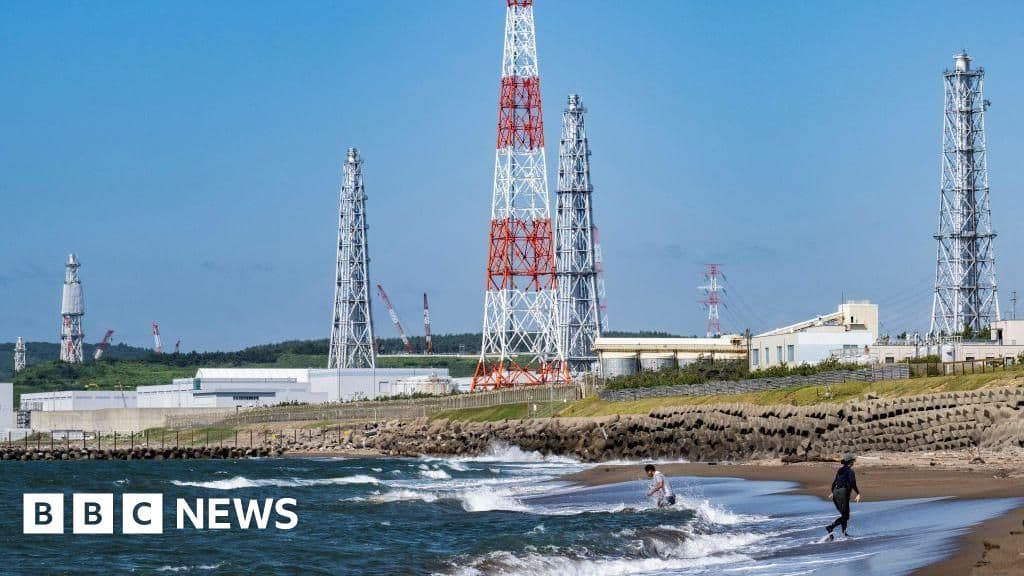
Japan has turned a critical page in its energy history, restarting the world’s largest nuclear power plant, Kashiwazaki-Kariwa, for the first time since the catastrophic 2011 Fukushima disaster forced a nationwide nuclear shutdown.
The reactivation of Reactor No. 6, located in Niigata Prefecture, is a polarizing milestone. It signals Tokyo’s desperate pivot back to atomic energy to meet its net-zero goals, even as the ghosts of Fukushima continue to haunt the public consciousness. The decision, delayed by 24 hours due to a technical alarm, places economic pragmatism squarely over lingering safety fears.
For 15 years, the Kashiwazaki-Kariwa complex—capable of generating a staggering 8.2 gigawatts—has sat silent, a monolith to wasted potential and safety anxieties. Its owner, Tokyo Electric Power Company (TEPCO), is the same entity that presided over the Fukushima meltdown. Trust is thin.
"This is not just about electricity; it is about memory," says local activist Hiroshi Tanaka. The restart was approved only after grueling safety upgrades, including a seawall designed to withstand tsunamis that once seemed impossible.
As Japan re-embraces the atom, Kenya watches with keen interest. With the Nuclear Power and Energy Agency (NuPEA) actively scouting sites in Kilifi and Kwale for Kenya’s first nuclear plant by 2035, the Japanese experience offers a cautionary tale.
Can Kenya, with its history of infrastructure maintenance challenges, manage the rigorous safety protocols demanded by nuclear power? Japan, a technological giant, stumbled catastrophically. The lesson for Nairobi is clear: nuclear energy demands not just concrete and steel, but a culture of absolute transparency and zero tolerance for error—traits that are often in short supply in our public sector.
Japan aims for nuclear to provide 20-22% of its power by 2030. It is a gamble that the climate crisis is a more immediate threat than radiation. As the control rods were withdrawn and the reactor hummed to life, it wasn’t just power flowing into the grid; it was a nation holding its breath, hoping that this time, the genie stays in the bottle.
Keep the conversation in one place—threads here stay linked to the story and in the forums.
Sign in to start a discussion
Start a conversation about this story and keep it linked here.
Other hot threads
E-sports and Gaming Community in Kenya
Active 9 months ago
The Role of Technology in Modern Agriculture (AgriTech)
Active 9 months ago
Popular Recreational Activities Across Counties
Active 9 months ago
Investing in Youth Sports Development Programs
Active 9 months ago



