We're loading the full news article for you. This includes the article content, images, author information, and related articles.
Starting February 2026, formally employed Kenyans earning middle to high incomes will see a reduction in their take-home pay as the fourth phase of the NSSF Act of 2013 raises mandatory pension contributions.
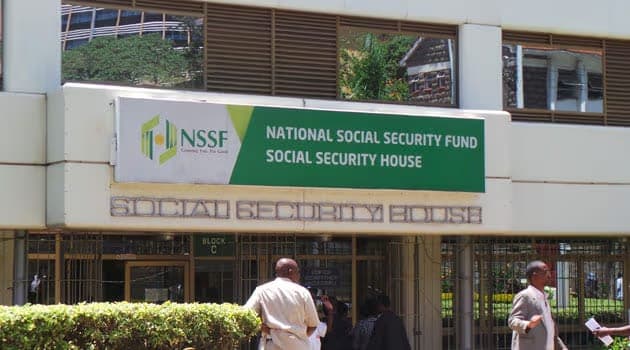
Kenyan payslips are set for another adjustment in early 2026, as the government proceeds with the phased rollout of the National Social Security Fund (NSSF) Act of 2013. This next stage will increase the amount of salary subject to mandatory pension deductions, impacting the monthly net pay for a significant portion of the workforce.
The core of the change is not a new tax, but an expansion of the pensionable earnings limits, a move designed to bolster Kenyans' retirement savings. For many workers, particularly those in higher income brackets, this means a larger slice of their salary will be channeled towards their pension, resulting in less disposable income each month. The adjustments are scheduled to take effect from the February 2026 payroll.
The NSSF contribution remains 6% from the employee, with the employer matching it for a total of 12%. However, the goalposts for calculating this percentage are moving. The system is divided into two tiers:
For an employee earning KES 108,000 or more, the maximum monthly contribution will rise from KES 4,320 to KES 6,480—a KES 2,160 reduction in their gross pay. When the employer's matching contribution is included, the total amount saved for retirement for these top earners will be KES 12,960 per month.
The effect of these changes will vary depending on salary bands. Workers earning below KES 50,000 a month are unlikely to see any significant change, as their earnings already fall within the current contribution thresholds.
The squeeze will be felt by middle and high-income earners. For instance, an employee with a salary of KES 80,000, who currently contributes KES 4,320, will see their deduction rise to KES 4,800, a drop of KES 480 in their take-home pay. It is important to note, however, that NSSF contributions are tax-deductible. This means the actual impact on net pay will be slightly softened; for a top earner, the reduction in their final take-home amount will be closer to KES 1,512 rather than the full KES 2,160.
These reforms are aimed at improving long-term pension adequacy and boosting national savings. However, critics have raised concerns about the timing, arguing that the increased deductions add another layer of financial strain on salaried workers already contending with high inflation and multiple taxes. The changes reignite the national conversation on balancing immediate financial pressures with the necessity of securing a stable retirement future.
Keep the conversation in one place—threads here stay linked to the story and in the forums.
Sign in to start a discussion
Start a conversation about this story and keep it linked here.
Other hot threads
E-sports and Gaming Community in Kenya
Active 9 months ago
The Role of Technology in Modern Agriculture (AgriTech)
Active 9 months ago
Popular Recreational Activities Across Counties
Active 9 months ago
Investing in Youth Sports Development Programs
Active 9 months ago