We're loading the full news article for you. This includes the article content, images, author information, and related articles.
As Washington pledges billions directly to Kenya’s health coffers, the Medical Services PS insists Wanjiku’s medical history remains under lock and key—despite fears of foreign surveillance.
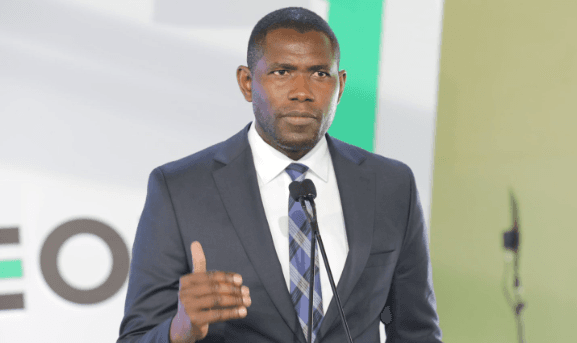
Medical Services Principal Secretary Dr. Ouma Oluga has moved swiftly to extinguish a firestorm of public anxiety, categorically denying that Kenya traded citizen data for the newly signed KES 208 billion (approx. $1.6 billion) health partnership with the United States.
Speaking in Nairobi on Monday, Oluga termed the fears “unfounded,” asserting that the landmark Government-to-Government (G2G) deal prioritizes sovereignty over aid. The assurance comes days after President William Ruto and U.S. President Donald Trump inked the five-year framework in Washington, D.C., a move that shifts funding away from NGOs directly into state agencies like the Social Health Authority (SHA) and KEMSA.
The controversy erupted over the weekend when critics, including whistleblower Nelson Amenya, flagged clauses suggesting the U.S. would require data access to monitor the billions it is pouring into Kenya’s fight against HIV, malaria, and TB. The fear? That the medical histories of millions of Kenyans could be exposed to foreign scrutiny.
Oluga, however, drew a sharp line in the sand. “Let me be clear: Your personal medical records are not on the table,” he emphasized during a media briefing. “What we are sharing is aggregated, non-identifiable data. We are talking about statistics—how many people were treated, how many kits were used—not who walked into the clinic.”
The PS noted that the agreement is bound strictly by the Data Protection Act (2019) and the Digital Health Act (2023). Any data exchange must first clear hurdles set by the Office of the Data Protection Commissioner.
Beyond the privacy debate, the deal represents a tectonic shift in how foreign aid enters Kenya. For decades, U.S. funding (such as PEPFAR) was channeled through international NGOs, often bypassing the Treasury. This new framework routes money directly to Kenyan systems.
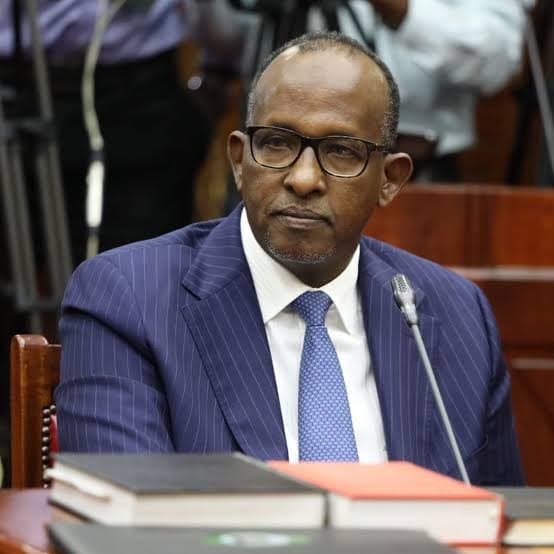
Despite the government’s confidence, the skepticism on the streets of Nairobi is palpable. With the transition to the Social Health Authority still facing teething problems, public trust in state-managed digital health systems is fragile. Health Cabinet Secretary Aden Duale backed his PS, stating that the “constitutional right to privacy is non-negotiable.”
“We negotiated this deal with the Kenyan people in mind,” Oluga concluded. “We secured the funding to keep our hospitals running, but we did not—and will not—compromise the dignity of the patient.”
Keep the conversation in one place—threads here stay linked to the story and in the forums.
Sign in to start a discussion
Start a conversation about this story and keep it linked here.
Other hot threads
E-sports and Gaming Community in Kenya
Active 9 months ago
The Role of Technology in Modern Agriculture (AgriTech)
Active 9 months ago
Popular Recreational Activities Across Counties
Active 9 months ago
Investing in Youth Sports Development Programs
Active 9 months ago
Key figures and persons of interest featured in this article