We're loading the full news article for you. This includes the article content, images, author information, and related articles.
Nairobi Governor Johnson Sakaja vehemently denies ceding city functions to the national government, terming the reports “fake news” while defending a new strategic partnership with President William Ruto to overhaul the capital’s crumbling infrastructure.
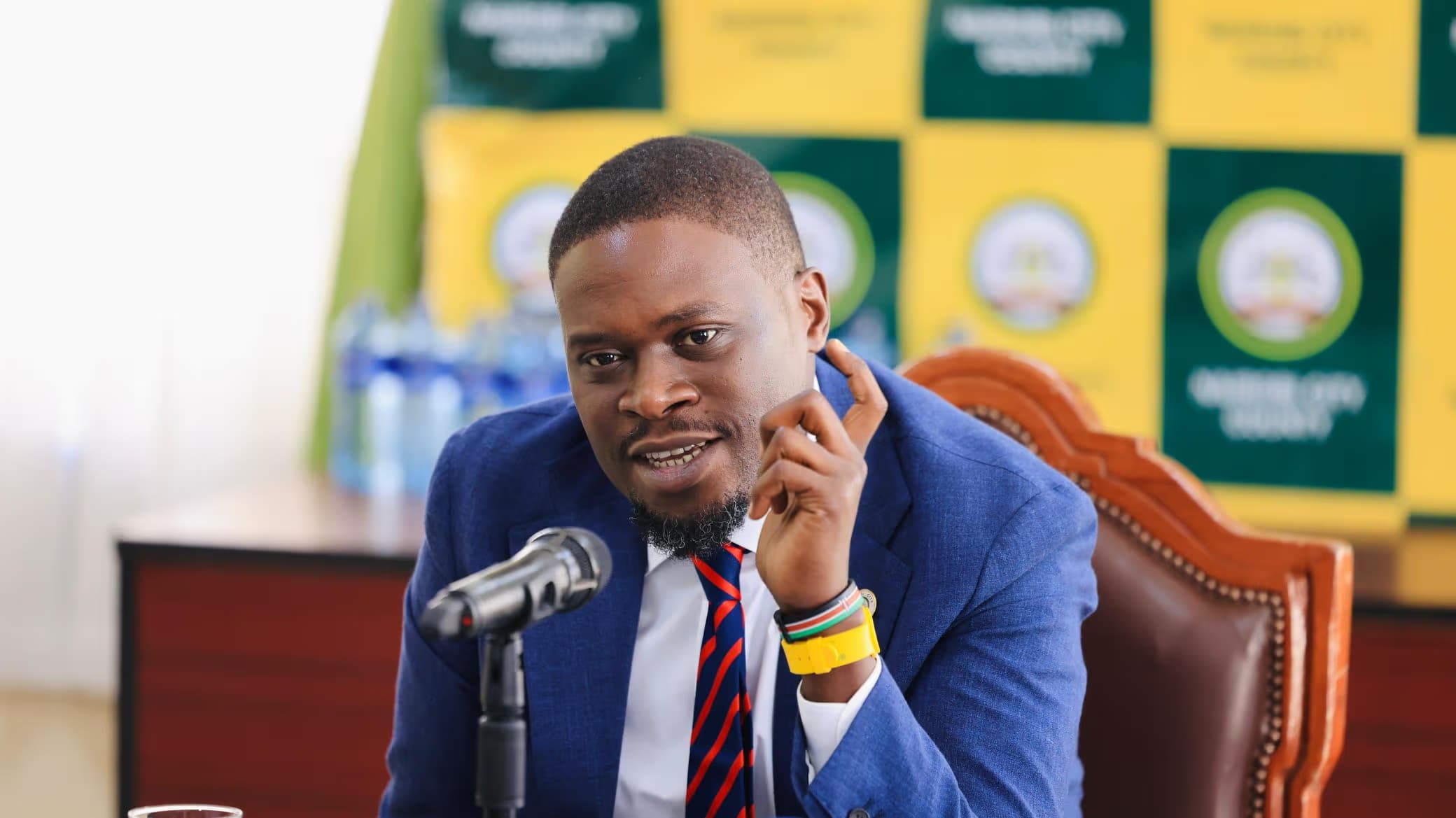
Nairobi Governor Johnson Sakaja vehemently denies ceding city functions to the national government, terming the reports “fake news” while defending a new strategic partnership with President William Ruto to overhaul the capital’s crumbling infrastructure.
It was a declaration of war against rumor mongers and political saboteurs. Standing firm against a rising tide of speculation, Governor Johnson Sakaja has categorically dismissed reports that City Hall has surrendered key functions—including water, health, and transport—back to the National Government. The Governor’s defiance comes in the wake of a high-stakes meeting at State House with President William Ruto, a summit that many detractors claimed was the signing ceremony for a second "Nairobi Metropolitan Services" (NMS) era.
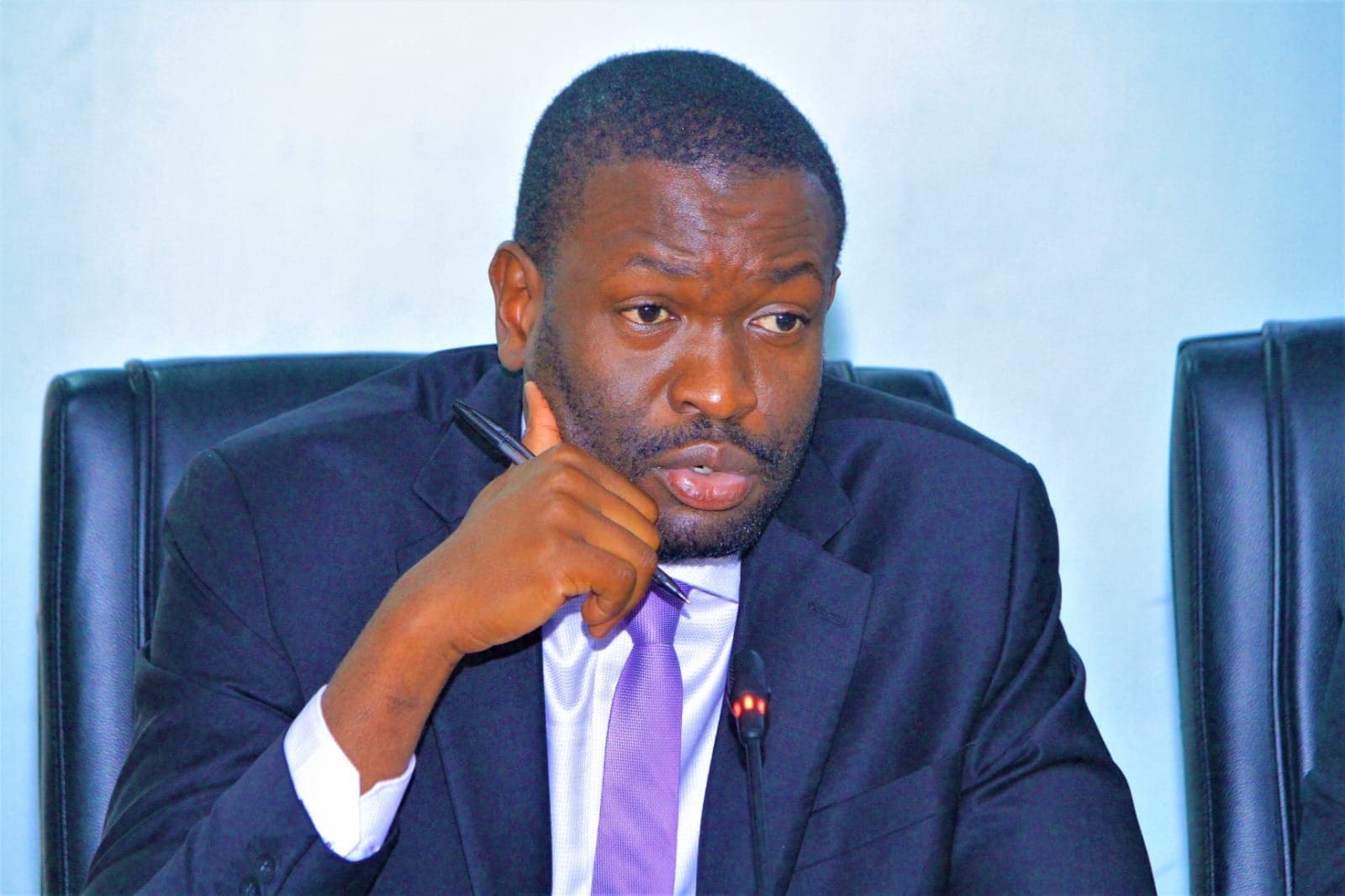
The specter of the NMS, the military-led entity that ran the city under the previous administration, still looms large over Nairobi politics. Critics, led by the firebrand Nairobi Senator Edwin Sifuna, have seized on the State House meeting to allege a constitutional coup. “Constitutionally, there has to be a deed of transfer of functions. It has to be approved by the county assembly. I have seen neither,” Sifuna charged, questioning the legality of the rumored deal. Yet, for Sakaja, the narrative is not one of surrender, but of synergy.
Governor Sakaja, flanked by his entire County Executive Committee, did indeed meet with the Head of State, but the agenda, he insists, was collaboration, not capitulation. The focus was strictly on two critical deliverables: the 2027 Africa Cup of Nations (AFCON) and the city’s perennial waste management crisis. With Nairobi set to be a host city, the pressure to upgrade the road network is immense.
“Fake news. No functions or roles ceded,” Sakaja fired back on social media, dismantling the allegations with brevity. He clarified that the national government would assist in the construction of key roads needed for AFCON, a project too large for the county’s balance sheet alone. Furthermore, the partnership aims to finally unlock the 45-megawatt waste-to-energy power plant in Dandora, a project that promises to turn the city’s mountains of garbage into a sustainable power source.
The reality of Nairobi’s infrastructure deficit requires federal muscle. The partnership with President Ruto’s administration is a calculated risk—trading some political autonomy for the financial capacity to deliver tangible results before the 2027 general election. For Sakaja, the equation is simple: voters care less about who paves the road, and more about whether the road is paved.
As the political dust settles, the Governor remains in charge, but the watchdogs are awake. The collaboration with the National Government will be scrutinized at every turn, with the opposition eager to frame any cooperation as a betrayal of devolution. For now, Sakaja holds the line: Nairobi remains under the firm control of City Hall.
Keep the conversation in one place—threads here stay linked to the story and in the forums.
Sign in to start a discussion
Start a conversation about this story and keep it linked here.
Other hot threads
E-sports and Gaming Community in Kenya
Active 9 months ago
The Role of Technology in Modern Agriculture (AgriTech)
Active 9 months ago
Popular Recreational Activities Across Counties
Active 9 months ago
Investing in Youth Sports Development Programs
Active 9 months ago
Key figures and persons of interest featured in this article