We're loading the full news article for you. This includes the article content, images, author information, and related articles.
In a historic policy shift, General Kahariri announces that injuries in the line of duty will no longer mean an automatic exit, securing livelihoods for thousands of service families.
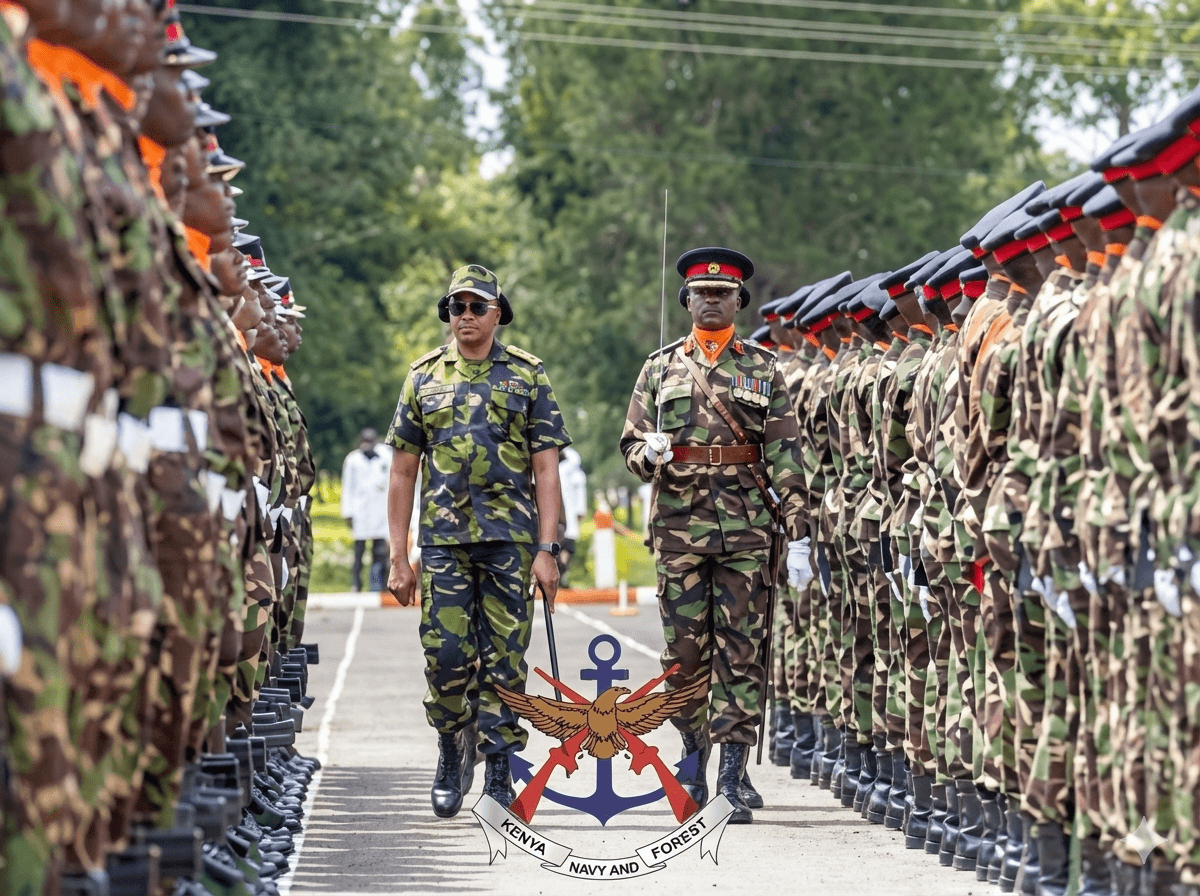
For decades, the brave men and women of the Kenya Defence Forces (KDF) have faced two distinct enemies: the one on the battlefield, and the administrative dread of "medical boarding"—a process that often saw injured heroes discharged and stripped of their careers.
That second enemy was effectively defeated on Friday.
In a landmark announcement that fundamentally alters the military's social contract with its troops, Chief of Defence Forces (CDF) General Charles Kahariri declared that the era of dismissing soldiers solely due to injuries or disabilities is over. The new directive promises that officers wounded in the line of duty will now be retained, rehabilitated, and re-skilled for roles suited to their new physical realities.
The announcement was made during a graduation ceremony at the Kenya Institute of Special Education (KISE) in Kasarani, Nairobi. Brigadier Hussein Amin, representing General Kahariri, delivered the message that many service families have waited years to hear.
"The era in which injured soldiers or those living with disabilities were dismissed from service is over," Brigadier Amin stated, marking a definitive departure from the rigid protocols of the past. He emphasized that the military is now committed to ensuring every injured officer receives the necessary support to continue serving.
This shift is not merely administrative; it is economic salvation for many. Previously, a soldier injured in Boni Forest or Somalia might face an early medical retirement, often receiving a payout that pales in comparison to a full career's salary and pension progression. By retaining these officers, the KDF ensures they can still put food on the table and educate their children, regardless of physical scars.
The policy is anchored in a strategic partnership between the KDF and KISE. The collaboration focuses on a holistic approach to soldier welfare, moving beyond simple medical treatment to comprehensive reintegration.
Key pillars of the new initiative include:
"The programme seeks to restore injured personnel to optimal functionality, enabling them to continue serving within KDF in roles that match their physical capacities," General Kahariri noted in the speech read by Brigadier Amin.
To understand the gravity of this change, one must look at the history of "boarding out." For years, KDF soldiers have expressed quiet frustration over the medical discharge process. While intended to release those unfit for service, it often felt like a punishment for sacrifice, leaving veterans to navigate civilian life with disabilities and diminished income.
This move aligns Kenya with global best practices seen in militaries like the US and UK, where wounded veterans are often retained in non-combat capacities. It acknowledges that a soldier's value lies not just in their physical agility, but in their experience, discipline, and institutional memory.
As the KDF continues its modernization, this human-centric approach signals a maturing force—one that recognizes that the most sophisticated weapon in its arsenal is the morale of its troops.
Keep the conversation in one place—threads here stay linked to the story and in the forums.
Sign in to start a discussion
Start a conversation about this story and keep it linked here.
Other hot threads
E-sports and Gaming Community in Kenya
Active 9 months ago
The Role of Technology in Modern Agriculture (AgriTech)
Active 9 months ago
Popular Recreational Activities Across Counties
Active 9 months ago
Investing in Youth Sports Development Programs
Active 9 months ago