We're loading the full news article for you. This includes the article content, images, author information, and related articles.
In the heart of the President’s stronghold, the new ODM boss signals the end of unconditional support—transforming the opposition into a high-stakes coalition partner ahead of 2027.
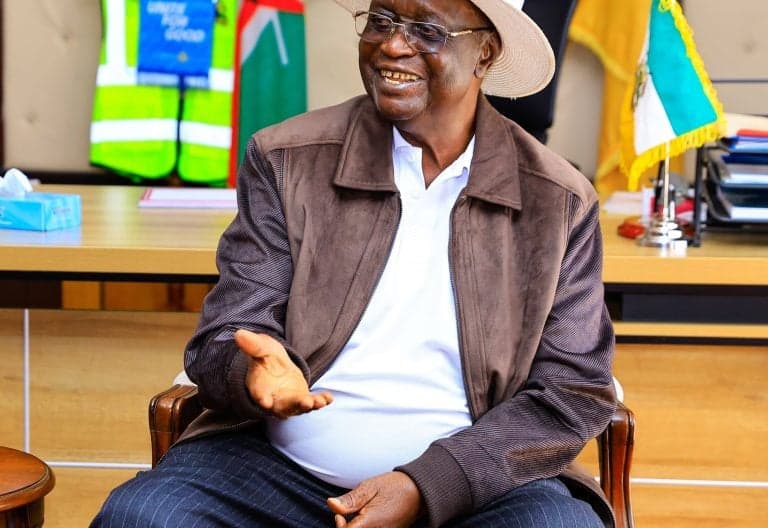
ELDORET — The ghost of resistance politics was quietly laid to rest this weekend, not in the opposition strongholds of Kisumu, but deep within the political bedrock of Uasin Gishu. Dr. Oburu Oginga, stepping out of the towering shadow of his late brother Raila Odinga, delivered a message to President William Ruto that was as transactional as it was transformative: The Orange Democratic Movement (ODM) is open for business, but the price has just gone up.
Standing before a packed hall of delegates in Eldoret—a region once hostile to the Orange party—Oburu did not speak of maandamano (protests) or electoral justice. Instead, he spoke the language of equity and dividends. While affirming that ODM would honor the "broad-based government" deal brokered by Raila until 2027, Oburu drew a sharp line in the sand for the future.
“We will support President William Ruto beyond 2027, but ODM must have a bigger stake in the next government,” Oburu declared, his tone measuring the weight of the new alliance. “Sisi sio chama ya kubanduka (We are not a party that defects). But we are not ready to gamble with the lives of our people. If we bring the numbers, we must see the returns.”
This declaration marks a seismic shift in Kenya’s political architecture. For decades, ODM functioned as the country’s moral and aggressive opposition. Under Oburu’s interim stewardship, it is morphing into a strategic coalition partner, trading its formidable voting bloc for hard currency—Cabinet slots, ambassadorial postings, and development projects.
The timing is surgical. With President Ruto facing restless undertones in the Mount Kenya region following the fallout with former allies, the stability offered by Nyanza’s vote is no longer a luxury; it is a necessity. Oburu knows this. By demanding a "bigger stake"—interpreted by analysts as a push for the Deputy Presidency or a near-equal share of the Cabinet—he is leveraging the President’s need for a new ethnic arithmetic.
However, Oburu’s pragmatic pivot has not gone unchallenged. Back in Nairobi, the "resistance" wing of the party is fighting to keep the flame of opposition alive. ODM Secretary-General Edwin Sifuna has emerged as the de facto leader of this faction, warning that the party risks selling its soul for short-term comfort.
“We have not sent any broker to negotiate for ODM in the government,” Sifuna noted sharply earlier this week, a veiled jab at the elder Odinga’s overtures. For Sifuna and allies like Siaya Governor James Orengo, the "broad-based" arrangement was a temporary ceasefire, not a permanent merger. They fear that by 2027, ODM will be indistinguishable from the ruling UDA, leaving the Kenyan public without a voice to check government excesses.
Yet, on the ground in Eldoret, the mood was different. Hosted by Uasin Gishu Governor Jonathan Bii, the ODM delegation—including National Chairperson Gladys Wanga—was treated not as rivals, but as partners. For the average resident in Nyanza, this détente has already translated into tangible benefits: new roads, revived stalled projects, and a sense of belonging in the national matrix that has been elusive for decades.
The implications for the 2027 General Election are profound. If Oburu succeeds in welding ODM to Ruto’s side, the traditional opposition vs. government dichotomy will be obliterated. The contest may shift to a battle between this new "super-alliance" and emerging alternative forces.
But the risk remains high. If the "bigger stake" is not delivered, or if the grassroots base feels betrayed by the embrace of their former adversary, the party could fracture. Oburu is betting his legacy—and his brother’s—on the belief that proximity to power delivers more for the people than shouting from the fence.
“Raila left us in the government, and we will stay there,” Oburu told the quiet crowd, sealing the pact. “But next time, we do not just want a seat at the table. We want to help set the menu.”
Keep the conversation in one place—threads here stay linked to the story and in the forums.
Sign in to start a discussion
Start a conversation about this story and keep it linked here.
Other hot threads
E-sports and Gaming Community in Kenya
Active 9 months ago
The Role of Technology in Modern Agriculture (AgriTech)
Active 9 months ago
Popular Recreational Activities Across Counties
Active 9 months ago
Investing in Youth Sports Development Programs
Active 9 months ago
Key figures and persons of interest featured in this article
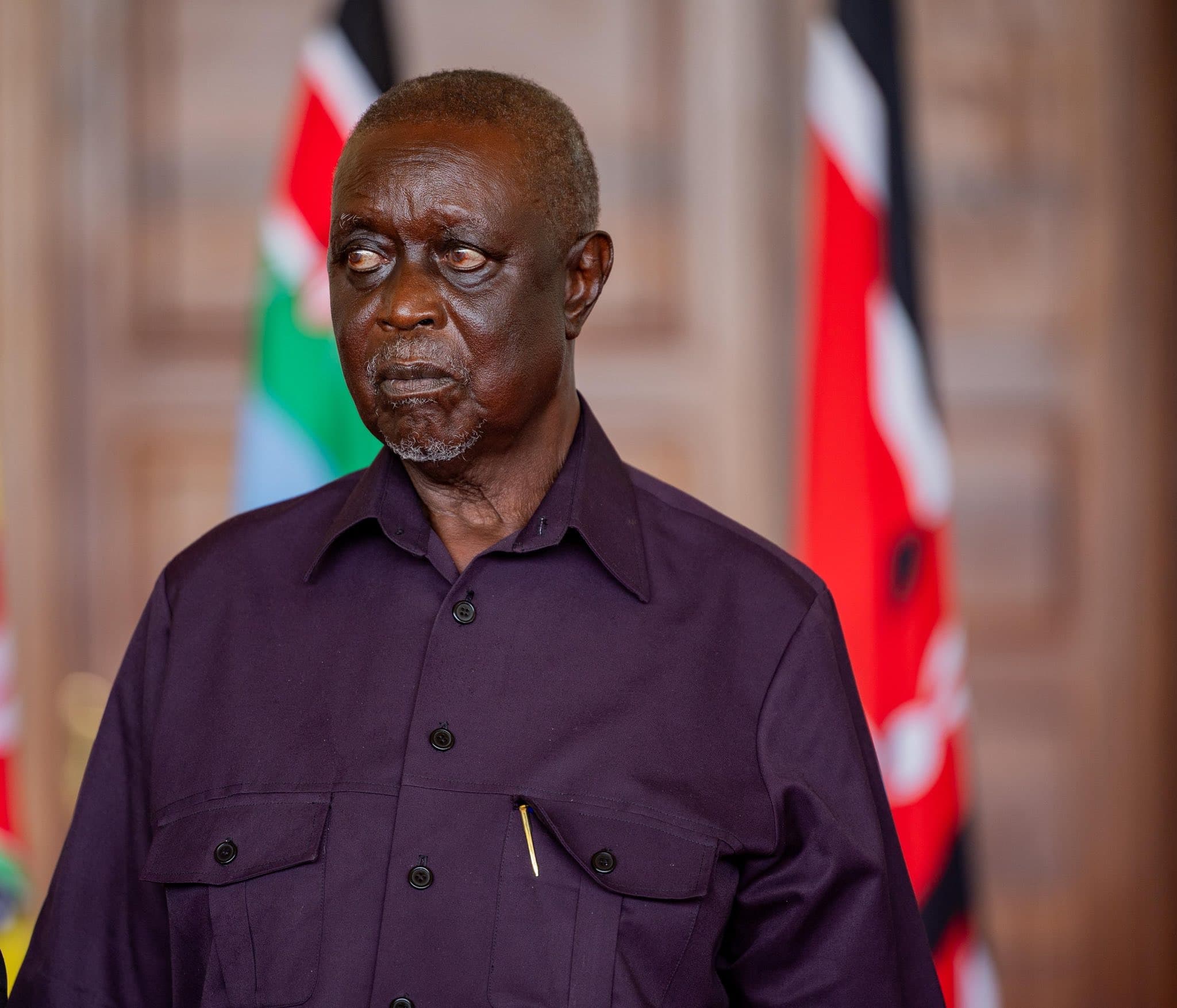
Senator for Siaya County
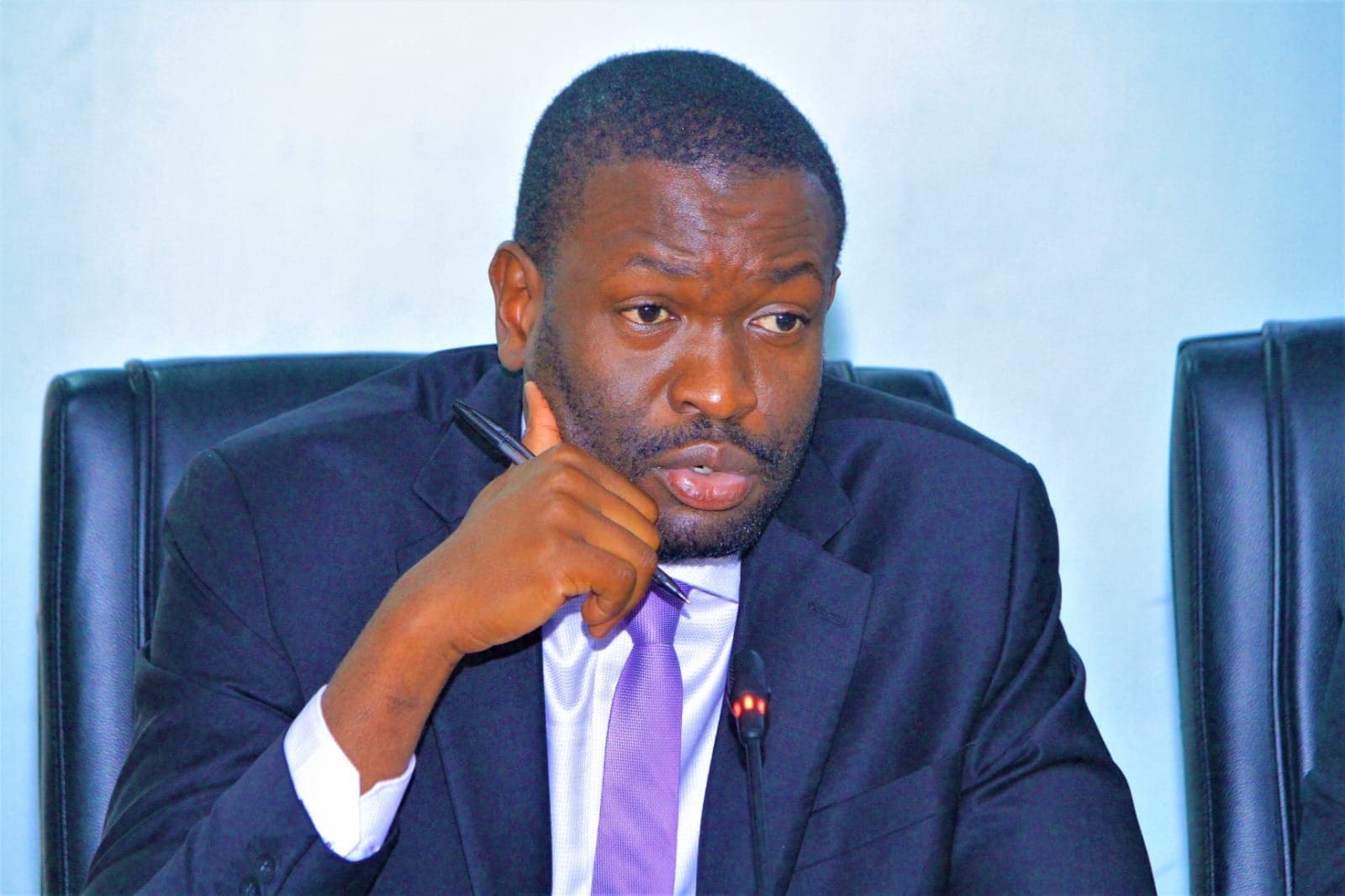
Senator for Nairobi County
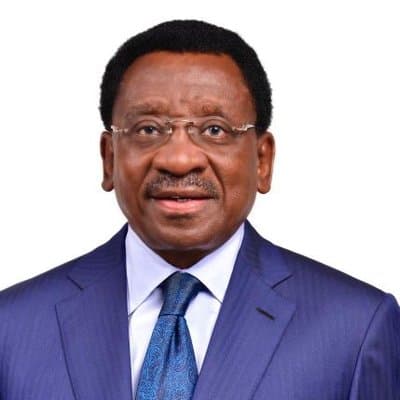
Governor of Siaya County
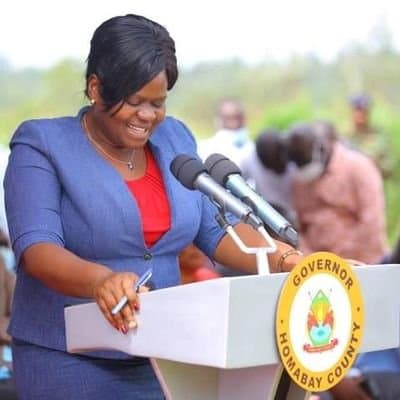
Governor of Homa Bay County
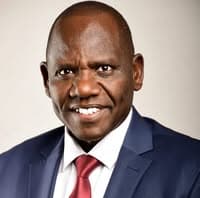
Governor of Uasin Gishu County
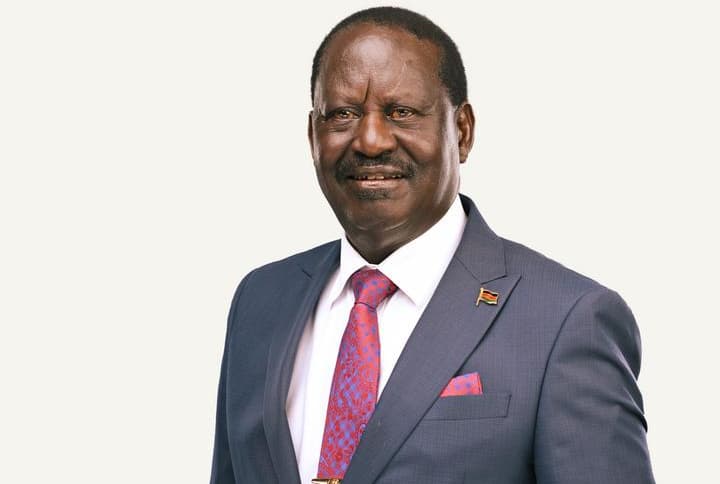
Leader of the Opposition



