We're loading the full news article for you. This includes the article content, images, author information, and related articles.
From the corridors of Alliance High to the global stage, Kenya’s literary titan reimagined freedom through the power of language, leaving a legacy that transcends borders.
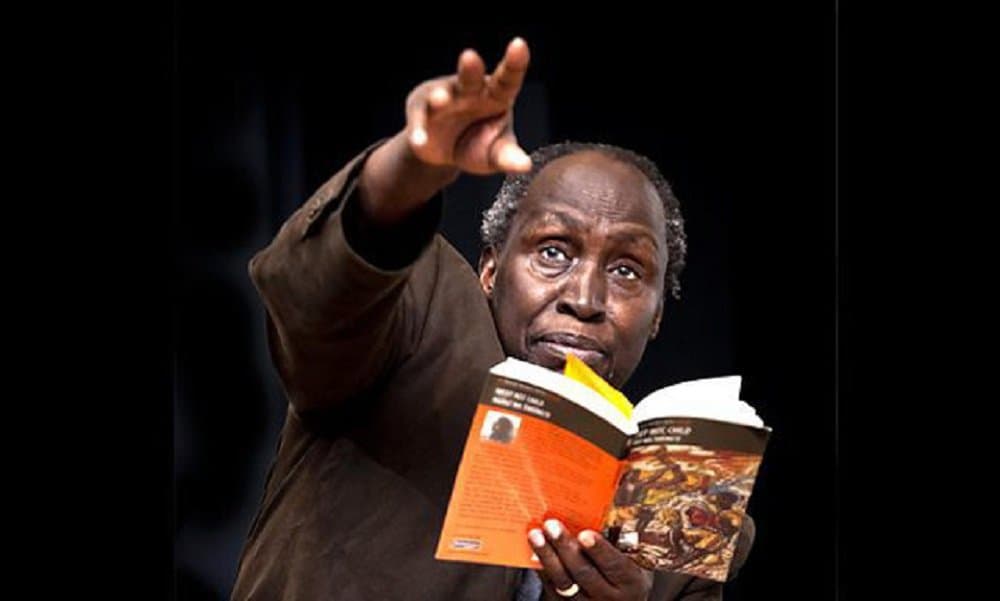
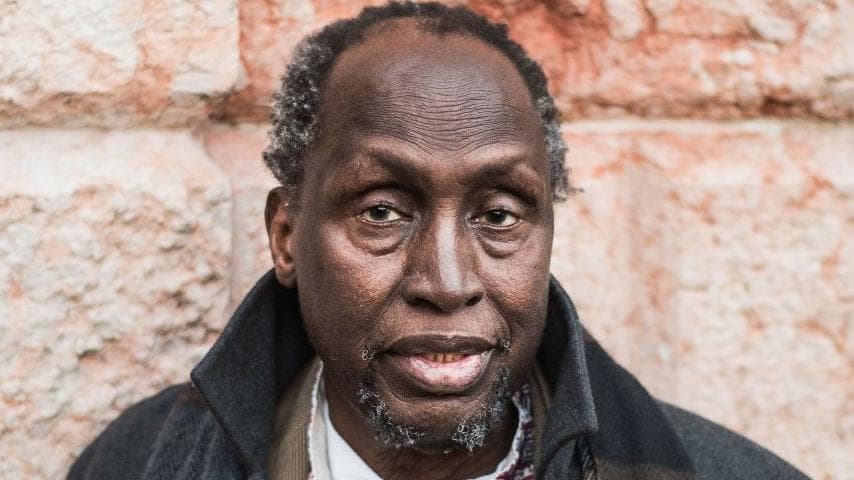
The silence that descended on the literary world this past May echoed far louder than the clamor of any political rally; it was the hush of a nation mourning its most articulate conscience. When Ngũgĩ wa Thiong’o took his final bow on May 28, 2025, Kenya did not just lose a writer. We lost the guardian of our collective memory.
His passing marks the definitive twilight of the "fabulous decades"—that electrifying era in the late 20th century when African intellectuals seized the pen to dismantle colonial mentalities. For the Kenyan reader, Ngũgĩ’s legacy is not merely academic; it is the reason we now dare to value our mother tongues as much as the Queen’s English in our boardrooms and schools.
To understand the man, one must look back to where the steel was tempered. As a student at Alliance High School and later at Makerere University College in Uganda, Ngũgĩ did not simply study; he infiltrated the very systems designed to subjugate the African mind. He positioned himself within a literary vanguard that sought to reimagine what Africa could be.
Scholars note that this period was defined by a quiet but radical occupation. Ngũgĩ and his contemporaries entered spaces of knowledge previously reserved for colonial agents, using the "work of the imagination" to challenge the status quo. His journey reflects a pivotal shift in our history:
Ngũgĩ’s most enduring battle was fought on the terrain of language. In his memoirs, he frequently reflected on his early "mental imprisonment" within the mythology of Englishness. He argued that true freedom could not exist if we continued to define ourselves solely through the linguistic lens of the colonizer.
This was the essence of the African literary revolution. It was a project driven by a powerful sense of newness—a belief that the imagination could conjure a world that politicians had yet to deliver. As we close out 2025, a year defined by cultural reflection, Ngũgĩ’s absence is palpable.
Literature, Achebe once observed, was asked to herald the possibilities and perils of freedom. Ngũgĩ shouldered that burden for decades, forcing us to look in the mirror and ask if we are truly free, or merely independent. As the sun sets on this year, his challenge remains: to write our own stories, in our own tongues, for our own children.
Keep the conversation in one place—threads here stay linked to the story and in the forums.
Sign in to start a discussion
Start a conversation about this story and keep it linked here.
Other hot threads
E-sports and Gaming Community in Kenya
Active 9 months ago
The Role of Technology in Modern Agriculture (AgriTech)
Active 9 months ago
Popular Recreational Activities Across Counties
Active 9 months ago
Investing in Youth Sports Development Programs
Active 9 months ago
Key figures and persons of interest featured in this article