We're loading the full news article for you. This includes the article content, images, author information, and related articles.
Retailers must now explicitly warn shoppers when personal data dictates the price tag, setting a potential roadmap for Kenya’s digital economy.
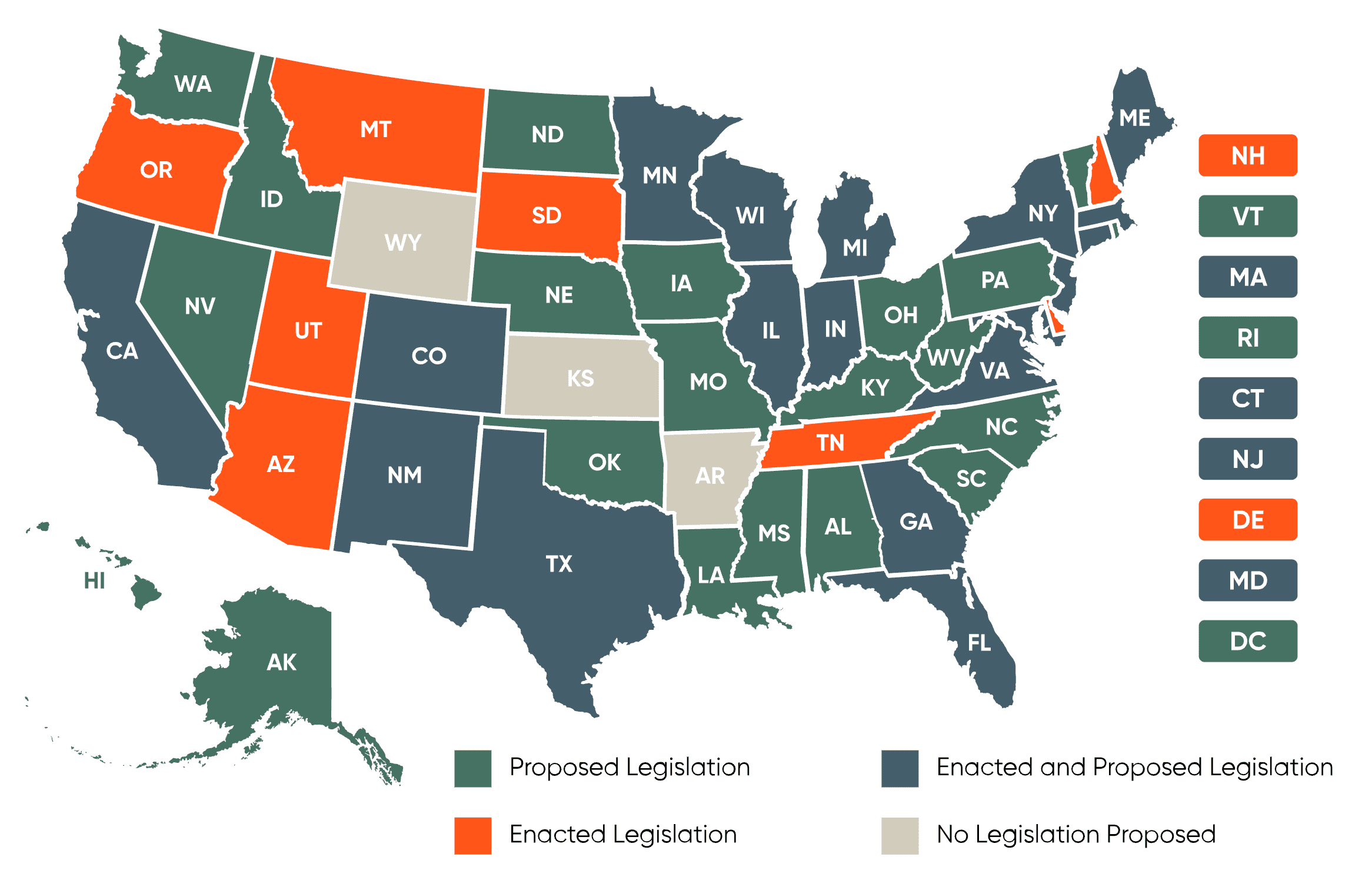
The era of secret, data-driven price discrimination has hit a legal wall in New York, challenging a practice that has long frustrated consumers worldwide. In a move that privacy advocates are calling a watershed moment for digital commerce, the state has enforced a new mandate requiring retailers to admit when a price tag is not fixed, but tailored specifically to you.
The Algorithmic Pricing Disclosure Act strips away the invisibility cloak of dynamic pricing. Retailers using automated systems to adjust costs based on a shopper's personal data—such as location, browsing history, or spending power—must now display a blunt, unavoidable warning: "THIS PRICE WAS SET BY AN ALGORITHM USING YOUR PERSONAL DATA."
For years, the mechanism behind fluctuating prices online has been a 'black box.' A consumer in Nairobi booking a flight might see a different fare than a user in New York, often attributed vaguely to demand. However, this law targets something more specific: surveillance pricing.
New York Attorney General Letitia James, who has championed the crackdown, emphasized that the goal is to stop businesses from exploiting personal information to extract the maximum amount a specific individual is willing to pay. Under the new statute, non-compliance carries a sting:
While this legislation is limited to New York, its ripples are likely to be felt in Kenya’s burgeoning digital economy. Kenyan consumers are no strangers to dynamic pricing, particularly on ride-hailing apps like Uber or Bolt, and increasingly on e-commerce platforms where data collection is rampant.
Kenya’s Data Protection Act of 2019 already provides a framework for data privacy, but it does not explicitly force retailers to disclose how that data influences pricing. Legal analysts suggest that New York’s bold stance could empower Kenya’s Office of the Data Protection Commissioner (ODPC) to demand similar transparency from global tech giants operating locally.
If a retailer can be fined KES 130,000 for a single infraction in New York, it raises a critical question for the Kenyan market: Should our digital footprint determine the price of our bread, and if so, don't we deserve to know?
Keep the conversation in one place—threads here stay linked to the story and in the forums.
Sign in to start a discussion
Start a conversation about this story and keep it linked here.
Other hot threads
E-sports and Gaming Community in Kenya
Active 9 months ago
The Role of Technology in Modern Agriculture (AgriTech)
Active 9 months ago
Popular Recreational Activities Across Counties
Active 9 months ago
Investing in Youth Sports Development Programs
Active 9 months ago



