We're loading the full news article for you. This includes the article content, images, author information, and related articles.
Former Iraqi President Barham Salih takes the helm of the UN Refugee Agency, promising greater efficiency as global displacement figures soar and humanitarian budgets shrink, a reality keenly felt in refugee-hosting nations like Kenya.
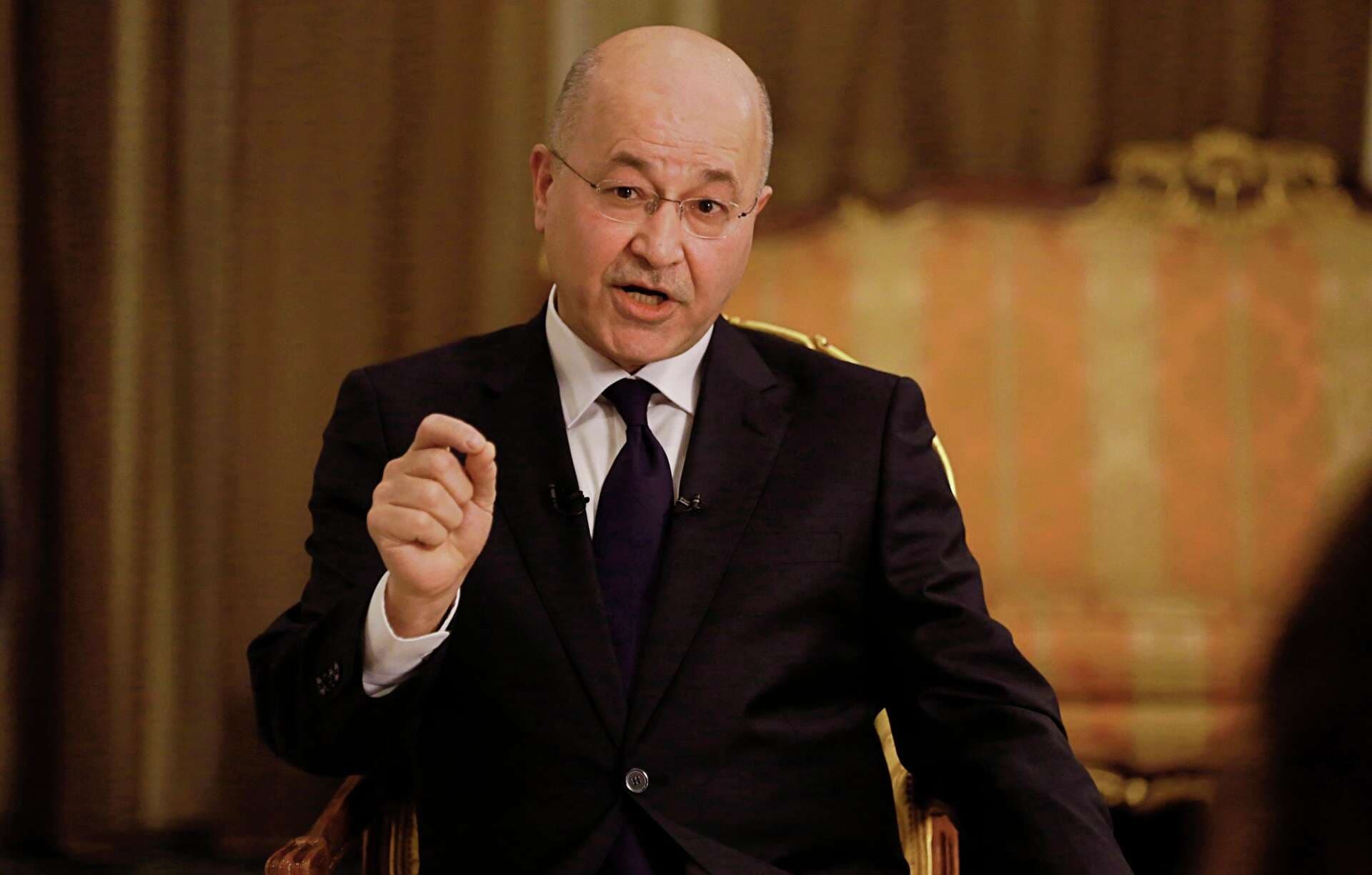
A former refugee himself, Barham Salih has taken leadership of the United Nations High Commissioner for Refugees (UNHCR), pledging significant reforms to an agency grappling with record global displacement and severe financial pressure. His election by the UN General Assembly marks a pivotal moment for the international humanitarian system.
The appointment is profoundly significant as over 100 million people worldwide are forcibly displaced from their homes. Salih, a former president of Iraq, emphasized that his own experience of being a refugee will inform a leadership style rooted in "empathy, pragmatism, and a principled commitment to international law." He succeeds Italy's Filippo Grandi, who led the agency for a decade.
For Kenya, which hosts over 830,000 refugees and asylum seekers, the change in leadership at UNHCR is critical. The country is home to some of the world's largest and most established refugee camps, including Dadaab and Kakuma, where nearly 85% of the refugee population resides. These communities, primarily from Somalia and South Sudan, face immense challenges exacerbated by recent cuts in humanitarian funding.
Salih's commitment to strengthening "operational effectiveness and value for money" directly addresses the urgent needs on the ground. In Kenya, funding shortages have already led to fragile socioeconomic conditions in camps, including rising malnutrition and tensions with host communities. The new High Commissioner's agenda will be closely watched for its impact on delivering essential services like food, shelter, and education to these vulnerable populations.
Salih's tenure begins on January 1, 2026, at a time when UNHCR and other aid organizations face deep budget cuts from major donor nations. Outgoing commissioner Filippo Grandi noted that these financial constraints have already cost lives and were intended to weaken the agency's mission. Salih acknowledged these pressures, stating that delivering on UNHCR's mandate requires a renewed focus on impact and efficiency.
His priorities include:
As the first leader from the Middle East to hold the post in nearly 50 years, Salih's appointment is seen by some as a message about the need for the UN to become more globally representative. His leadership will be crucial in navigating the complex political and humanitarian challenges ahead, not just globally, but for the hundreds of thousands of lives that depend on the agency's work within Kenya's borders.
Keep the conversation in one place—threads here stay linked to the story and in the forums.
Sign in to start a discussion
Start a conversation about this story and keep it linked here.
Other hot threads
E-sports and Gaming Community in Kenya
Active 9 months ago
The Role of Technology in Modern Agriculture (AgriTech)
Active 9 months ago
Popular Recreational Activities Across Counties
Active 9 months ago
Investing in Youth Sports Development Programs
Active 9 months ago



