We're loading the full news article for you. This includes the article content, images, author information, and related articles.
New UK legislation imposes unlimited fines on dog owners whose pets attack livestock, marking a shift in rural law enforcement and protection measures.
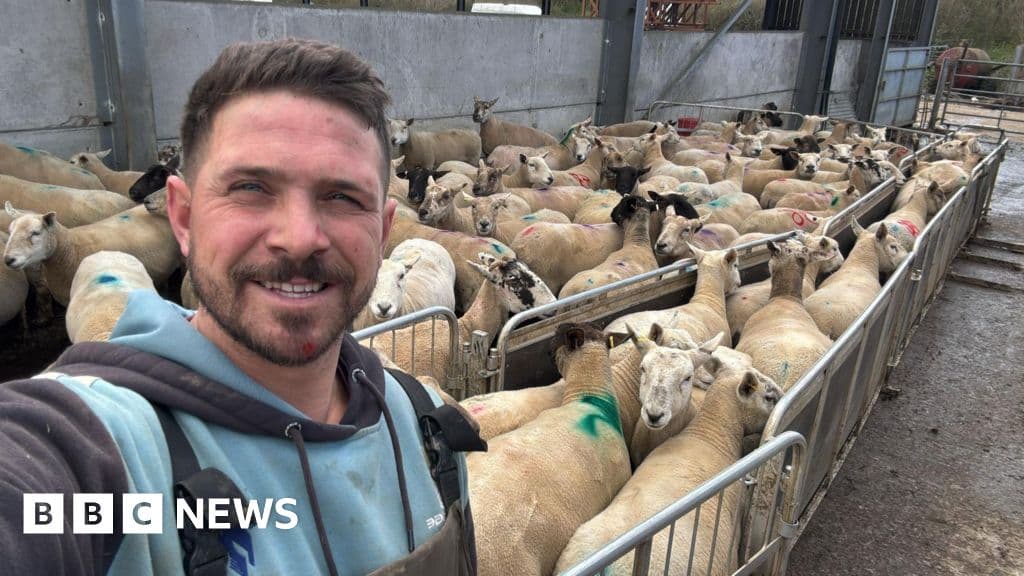
The silence of the morning pasture is often shattered by the sound of panic—a frantic bleating of sheep signaling a catastrophe unfolding in the tall grass. For farmers across England and Wales, the threat is no longer limited to wild predators or inclement weather it is the domestic pet, unleashed and unmanaged, turning a quiet morning into a scene of carnage.
New legislation, the Dogs (Protection of Livestock) (Amendment) Act 2025, has come into force today, fundamentally altering the landscape of rural accountability. The act introduces unlimited fines for dog owners whose pets attack or cause distress to farm animals, empowering police to utilize advanced forensic tools to secure convictions that were previously impossible to sustain.
For over seven decades, the law governing livestock worrying—largely rooted in the Dogs (Protection of Livestock) Act 1953—struggled to keep pace with modern forensic capabilities. The primary hurdle was the burden of proof distinguishing between two dogs in a field or identifying a culprit after the animal had fled the scene was nearly impossible for cash-strapped rural police units.
The 2025 Act changes this dynamic by codifying the right for law enforcement to take DNA samples from suspected dogs. This scientific leap means that hair, saliva, or blood found on livestock can now be directly linked to an offending pet with clinical precision. For farmers, this represents a major victory in a long-standing battle against an invisible, yet devastating, threat.
Consider the financial magnitude of this crisis. Insurers at NFU Mutual reported that livestock worth nearly £2 million (approximately KES 380 million) was killed or severely injured by dogs in 2025 alone. This represents a 10 percent increase year-on-year, an alarming trajectory that has forced the hand of lawmakers. The economic impact extends beyond the immediate loss of livestock it encompasses veterinary bills, the trauma of loss to the farmer, and the long-term productivity decline of stressed herds.
While the United Kingdom faces this crisis through the lens of pet ownership and urban-rural encroachment, the broader issue of livestock protection resonates deeply in the East African context. In Kenya, where pastoralism remains the lifeblood of the economy, the nature of the threat is distinctly different but no less perilous. Kenyan farmers grapple with the complexities of human-wildlife conflict—where lions, leopards, and hyenas are the primary culprits—rather than domestic pets.
However, the shift in UK law offers a compelling case study for Kenya in the integration of forensic science into agricultural protection. Just as UK police are modernizing their approach to rural crime, Kenyan security agencies and the Kenya Wildlife Service (KWS) continue to refine the use of geofencing, tracking, and rapid response units to mitigate predation. The lesson from the UK is that protecting agricultural assets requires a synthesis of policy, technology, and community awareness.
The tension at the heart of this legislation is the friction between the growing demand for public access to the countryside and the farmer’s right to protect their livelihood. In parts of the UK, the "Right to Roam" movement has seen a surge in visitors who are often detached from the harsh realities of agricultural life. Many owners, regardless of their pet’s previous temperament, underestimate the instinctual drives that can be triggered when a domestic dog encounters livestock.
Farmers like Joshua Gay, who operates a mixed farm in Somerset, argue that the issue is one of basic education. A dog that is perfectly obedient in a city park can become a predator the moment it crosses a fence line into a flock of sheep. The physical reality of these attacks is horrific many livestock do not die from direct bites, but from being driven into barriers, brambles, or precipices, leading to exhaustion and trauma that proves fatal.
This cultural divide exists globally. In Kenya, as peri-urban agriculture expands into the outskirts of Nairobi and other major hubs, similar conflicts arise. The influx of non-farming populations into traditional agricultural zones creates pressure on land use, where pet management and farm animal safety often collide. Public awareness campaigns, similar to the education initiatives proposed alongside the UK legislation, may prove essential for preventing such conflicts before they escalate into violence.
The implementation of the Dogs (Protection of Livestock) (Amendment) Act 2025 is not merely a bureaucratic update it is a signal that the state views the farmer’s livelihood as a protected public interest. By raising the stakes for pet owners, the UK government is forcing a shift toward more responsible guardianship. The question remains whether these measures will be enough to curb the rising tide of attacks or if further restrictions on access will be required to safeguard rural economies. For now, the countryside holds its breath, hoping that the threat of the law will finally succeed where mere warning signs have failed.
Keep the conversation in one place—threads here stay linked to the story and in the forums.
Sign in to start a discussion
Start a conversation about this story and keep it linked here.
Other hot threads
E-sports and Gaming Community in Kenya
Active 10 months ago
The Role of Technology in Modern Agriculture (AgriTech)
Active 10 months ago
Popular Recreational Activities Across Counties
Active 10 months ago
Investing in Youth Sports Development Programs
Active 10 months ago



