We're loading the full news article for you. This includes the article content, images, author information, and related articles.
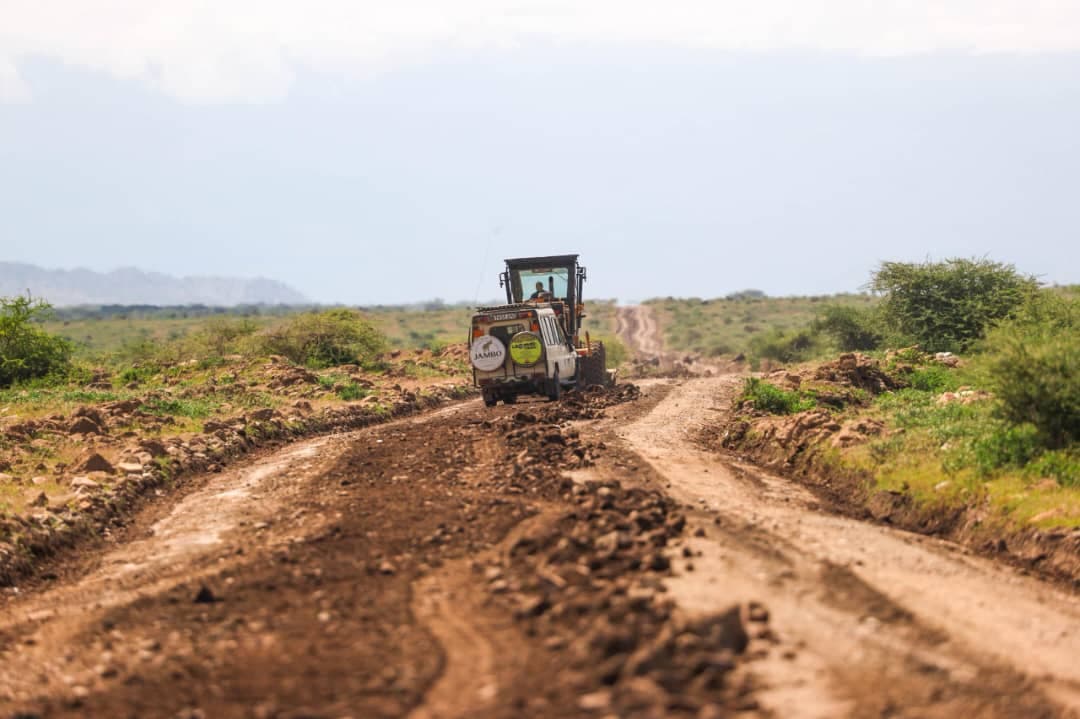
The ongoing construction of the 11.56-kilometre Kabuta–Mahua-ini road in Kiharu is dramatically transforming the economic landscape, linking remote farming zones to major commercial corridors.
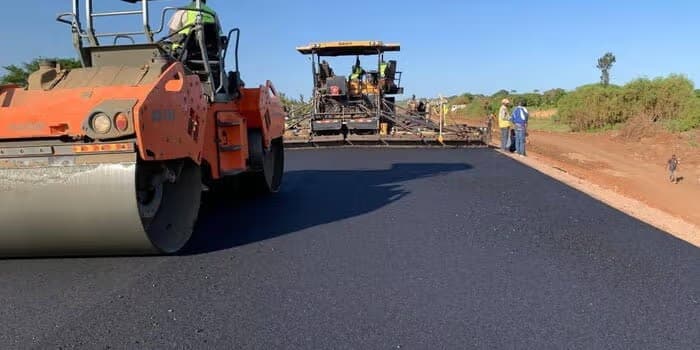
The ongoing construction of the 11.56-kilometre Kabuta–Mahua-ini road in Kiharu is dramatically transforming the economic landscape, linking remote farming zones to major commercial corridors.
For generations, the residents of Kiharu in Murang'a County have battled impassable terrain, severely hindering their ability to transport agricultural produce to lucrative urban markets. Today, the roar of heavy machinery signals a new dawn of connectivity and prosperity.
This infrastructural upgrade is not merely about laying tarmac; it is a vital economic artery. By drastically reducing travel time and vehicle maintenance costs, the new road empowers local farmers to maximise their profits, fundamentally altering the socio-economic fabric of the entire region.
The history of the Kabuta–Mahua-ini corridor is fraught with logistical nightmares. During the rainy seasons, the deep potholes and slippery mud sections rendered the route completely impassable. This isolation often led to massive post-harvest losses, as perishable goods like avocados, macadamia nuts, and dairy products rotted on farms before reaching buyers in Nairobi and beyond.
Furthermore, the treacherous conditions were a primary cause of frequent accidents, particularly involving boda boda operators who serve as the primary mode of transport for many villagers. The human cost in terms of injuries and damaged motorcycles placed an immense financial burden on already struggling households. The new road promises to eradicate these historical challenges, offering a safe and reliable passage.
Local leaders have lauded the project as a monumental achievement following years of relentless lobbying. The national government's decision to allocate approximately $8.5m (approx. KES 1.1bn) to the project underscores a renewed commitment to grassroots development. The contractor has been urged to expedite the works to ensure completion before the onset of the long rains anticipated in March.
The immediate economic impact of the road construction is already visible. Property values along the corridor have skyrocketed, with investors scrambling to acquire land for commercial and residential developments. Small-scale businesses, previously constrained by low foot traffic, are now expanding their inventories in anticipation of increased patronage from passing motorists and transport trucks.
For the agricultural sector, the benefits are immeasurable. Middlemen who previously exploited the poor road conditions to offer rock-bottom prices to farmers are now facing stiff competition. Farmers can now independently transport their produce directly to major trading centres, securing premium prices and retaining a larger share of the profit margins. This financial empowerment is slowly translating into improved living standards across the village.
Beyond economics, the social implications of the new road are profound. Access to emergency healthcare services has been drastically improved. Previously, transporting a critically ill patient or an expectant mother to the main county hospital was a perilous journey that cost lives. The smooth tarmac ensures that ambulances can now navigate the route swiftly and safely.
Educational institutions in the area are also reaping the benefits. Teachers who previously shunned postings to the remote village due to accessibility issues are now more willing to accept transfers. Students no longer have to trudge through thick mud during the rainy season, leading to improved school attendance and academic performance.
The boda boda sector, a crucial pillar of the local economy, has been completely revitalised. Operators report a significant decrease in daily maintenance costs and an increase in their daily earnings. The smooth road allows them to make more trips in a shorter amount of time, providing a reliable and efficient transport service to the community.
The Kabuta–Mahua-ini project is a microcosm of a broader national strategy to open up rural Kenya. The government recognises that robust infrastructure is the bedrock of economic growth. By connecting remote villages to the national grid, the state is actively working to bridge the economic divide between urban centres and rural hinterlands.
Engineers on site are utilising modern construction techniques to ensure the road's longevity. Proper drainage systems are being installed to prevent the tarmac from being washed away during heavy downpours. The community has been actively involved in the project, providing crucial oversight to ensure the contractor adheres to the stipulated quality standards.
"This road is our lifeline to the future; it has finally wiped away the tears of our farmers and our children," stated a local community leader.
Keep the conversation in one place—threads here stay linked to the story and in the forums.
Sign in to start a discussion
Start a conversation about this story and keep it linked here.
Other hot threads
E-sports and Gaming Community in Kenya
Active 9 months ago
The Role of Technology in Modern Agriculture (AgriTech)
Active 9 months ago
Popular Recreational Activities Across Counties
Active 9 months ago
Investing in Youth Sports Development Programs
Active 9 months ago