We're loading the full news article for you. This includes the article content, images, author information, and related articles.
A new Japanese manga, ‘Rai Rai Rai’, is capturing global attention not for its giant monsters, but for its painfully honest portrayal of debt, trauma, and the struggle for decent work—themes resonating deeply with young people navigating Nairobi's tough economic landscape.
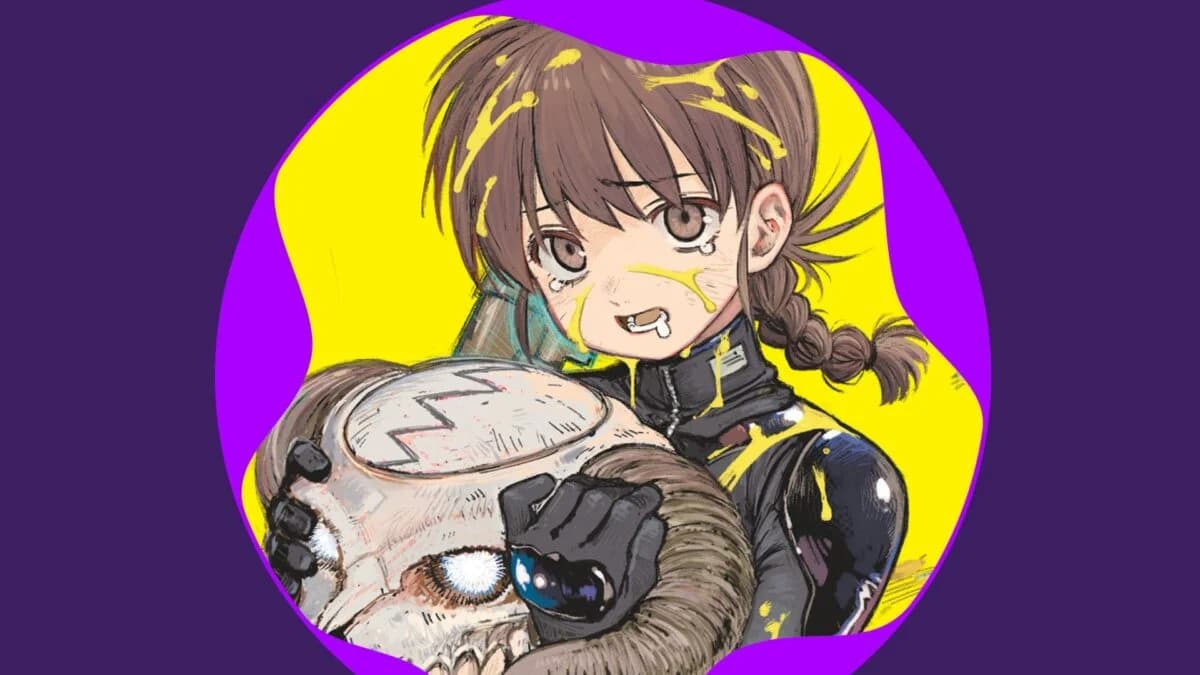
A new sci-fi manga from Japan is making waves, but its true impact isn't in the alien battles or futuristic cityscapes. For many young Kenyans, the story of ‘Rai Rai Rai’ hits uncomfortably close to home, reflecting a daily struggle against economic instability and the crushing weight of expectation.
The series follows Sumire Ichigaya, a young woman forced into an exploitative job to pay off her parents' overwhelming debt, all while hiding a secret trauma. This narrative of a youth forced to 'lock in' despite personal tragedy mirrors the reality for a generation in Kenya facing a stark mismatch between their skills and the job market.
While set in a fictional 2052, Sumire’s plight speaks to the here and now. With youth aged 15-34 facing a staggering 67% unemployment rate, the pressure to take on any work, regardless of conditions, is immense. The manga’s themes of financial strain and the search for stability are not just fiction; they are the lived experience of many navigating the informal sector, which accounted for 90% of new jobs between 2022 and 2025.
The popularity of manga and its animated counterpart, anime, is no longer a niche interest in Kenya; it's a significant cultural and economic force. Events like Otamatsuri, Africa's largest anime and manga convention, now draw thousands to venues like the KICC in Nairobi, showcasing a vibrant community and a growing market for creative products. This enthusiasm proves that stories, no matter their origin, can find fertile ground when they speak to universal truths.
For local creators, ‘Rai Rai Rai’ serves as more than entertainment. It’s a case study in how to weave complex social issues into compelling narratives. The Kenyan creative economy, which already contributes 5% to the GDP, is ripe with potential. Local studios and artists are increasingly telling African stories through the visual language of comics and animation, finding a ready audience both at home and abroad.
Key themes in the manga that resonate with Kenyan youth include:
The rise of this subculture is fostering a new generation of Kenyan storytellers. While challenges in the local creative industry persist—including lack of funding and the dominance of informal work—the passion is undeniable. Platforms like Nairobi Comic-Con (NAICCON) provide crucial spaces for artists to connect and thrive, slowly shifting perceptions of creative careers from a hobby to a viable profession.
As one local comic artist noted, the key to powerful storytelling is consistency and relatability. ‘Rai Rai Rai’ succeeds because its hero’s internal struggles are more compelling than her external battles. This is a lesson for our own creative scene: our most powerful stories are not just about heroes who can fight monsters, but about young people who can navigate the complexities of modern life with resilience and hope.
Keep the conversation in one place—threads here stay linked to the story and in the forums.
Sign in to start a discussion
Start a conversation about this story and keep it linked here.
Other hot threads
E-sports and Gaming Community in Kenya
Active 9 months ago
The Role of Technology in Modern Agriculture (AgriTech)
Active 9 months ago
Popular Recreational Activities Across Counties
Active 9 months ago
Investing in Youth Sports Development Programs
Active 9 months ago