We're loading the full news article for you. This includes the article content, images, author information, and related articles.
The government is advancing plans to ratify two global labour treaties, promising safer workplaces and formal rights for Kenya's vast informal workforce, including domestic workers.
Kenya is on the cusp of a major overhaul of its labour laws that could extend formal protections to millions of informal workers, from domestic staff in our homes to vendors on our streets.
This move hinges on the ratification of two key International Labour Organization (ILO) agreements: Convention 189, which champions decent work for domestic workers, and Convention 190, which aims to eliminate violence and harassment in the workplace. For the roughly 16 million Kenyans in the informal economy—a group that vastly outnumbers the 3.9 million in formal jobs—these changes could fundamentally alter their work lives, offering a new baseline of dignity and safety.
Nationwide public consultations are currently underway, bringing together unions, employers, and civil society to iron out the details of adoption. Labour Principal Secretary Shadrack Mwadime has noted that this process is crucial for identifying and closing legal and policy gaps before the conventions are fully adopted into Kenyan law.
For many, the informal sector is characterized by low pay, a lack of written contracts, and zero access to social security, leaving workers vulnerable to exploitation. The government's push seeks to address these long-standing issues directly.
If ratified, the conventions would compel Kenya to formally recognize domestic work as legitimate employment, granting these workers the same rights as others. This could translate into:
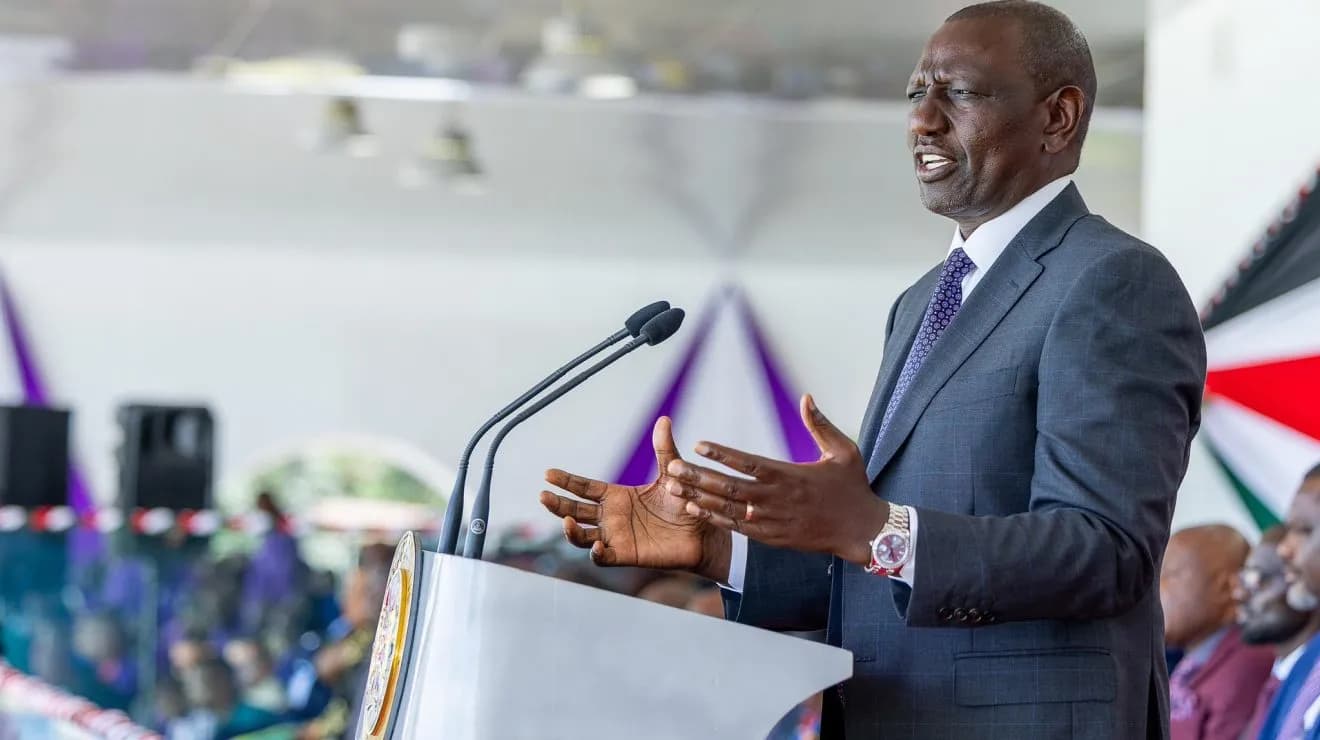
The journey to this point has been lengthy. President William Ruto first pledged to ratify the two conventions back in May 2023, a promise that has seen delays. However, the current nationwide consultative forums, which have been held in counties like Kakamega and Kisumu, signal renewed momentum.
Labour Commissioner Hellen Apiyo emphasized that these discussions are vital for assessing the country's readiness and ensuring the practical implementation of the global standards. Analysts acknowledge that while the principles of these conventions are already finding their way into some Kenyan judicial decisions, formal ratification would accelerate progress by aligning national laws with globally recognized benchmarks.
The ultimate goal, as articulated by officials, is to build a labour market where every worker, regardless of their sector, is afforded dignity, safety, and a fair chance at a decent livelihood. While the process is ongoing, the potential for a more secure future for millions of Kenyan families hangs in the balance.
Keep the conversation in one place—threads here stay linked to the story and in the forums.
Sign in to start a discussion
Start a conversation about this story and keep it linked here.
Other hot threads
E-sports and Gaming Community in Kenya
Active 9 months ago
The Role of Technology in Modern Agriculture (AgriTech)
Active 9 months ago
Popular Recreational Activities Across Counties
Active 9 months ago
Investing in Youth Sports Development Programs
Active 9 months ago