We're loading the full news article for you. This includes the article content, images, author information, and related articles.
NBA All-Star Weekend dazzled in Los Angeles as Bien (Sauti Sol) and Jamad Fiin wore Old School x NBA Africa pieces, spotlighting the NBA African Original Lifestyle Collection’s global rise.
Los Angeles / Nairobi — February 18, 2026.
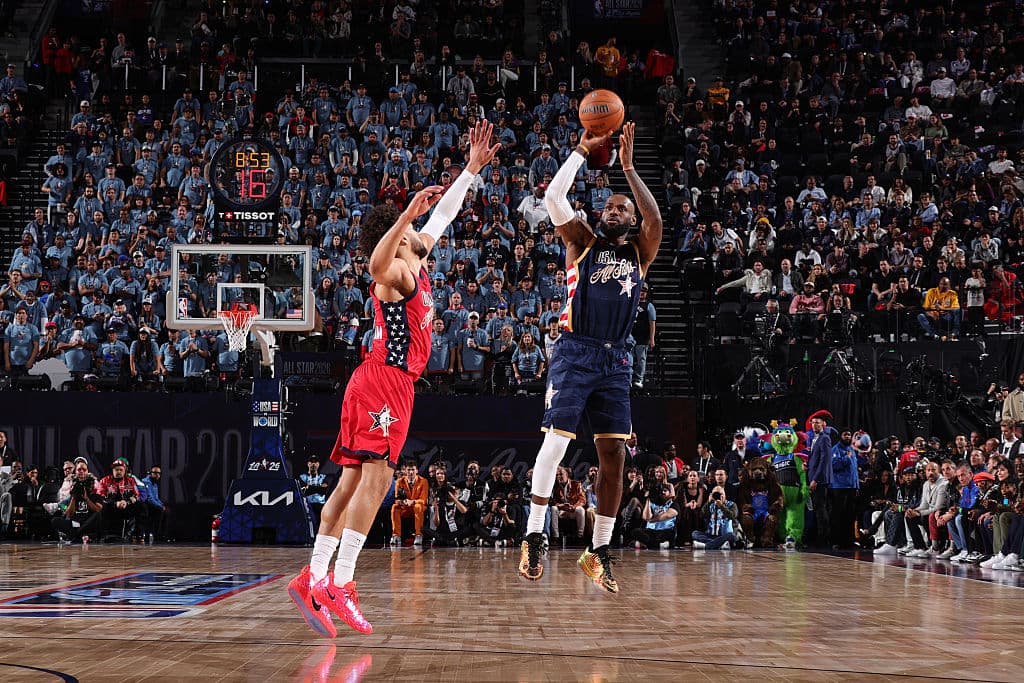
NBA All-Star Weekend returned to the Los Angeles area with the kind of glossy, global spectacle the league sells better than anyone: packed schedules, celebrity courtside culture, a made-for-TV format reset, and a city built to turn sport into entertainment. The 75th NBA All-Star Game tipped at the Intuit Dome in Inglewood on Sunday, February 15, 2026, anchoring a three-night run from February 13–15.
But in the margins—where culture is actually negotiated—another story kept surfacing: Africa wasn’t simply being marketed to. It was being worn
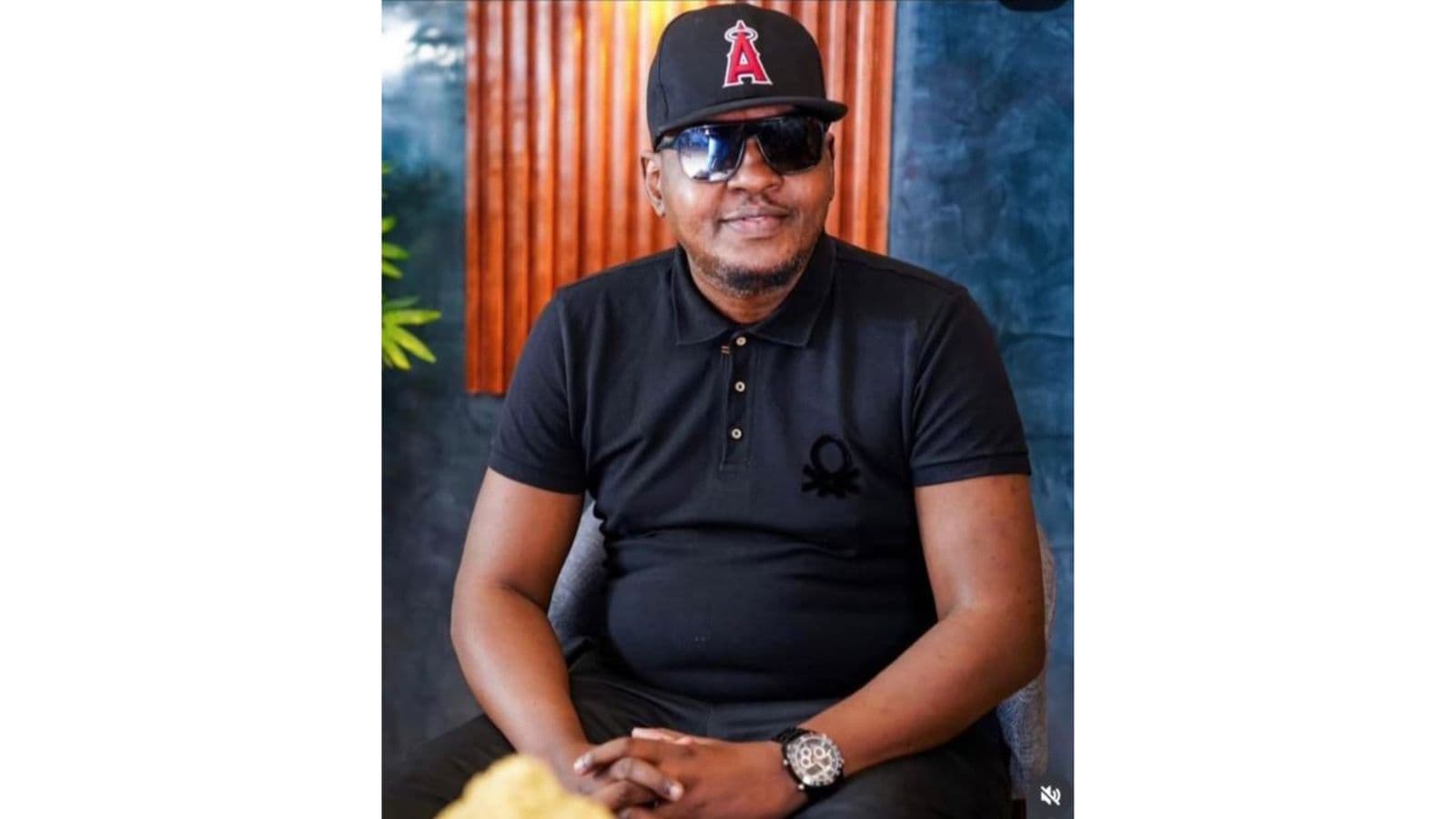
Kenyan artist Bien-Aimé Baraza (Bien) and Somali-American basketball figure and entrepreneur Jamad Fiin marked their Los Angeles visit by stepping out in select pieces from the Old School x NBA Africa apparel line, a visible nod to how the NBA’s influence now travels: not only through highlights and jerseys, but through lifestyle identity and global tastemakers.
This year’s All-Star pivot wasn’t subtle. The league introduced a “USA vs. World” structure designed to restore intensity and attention—an admission that the old formula had started to feel like background noise.
Early numbers suggest the reset worked: Reuters reported the 2026 game delivered its highest viewership in 15 years, helped by the new format and a strong broadcast window.
That matters because the All-Star weekend is not just sport—it’s the NBA’s most effective cultural trade show. When the product regains attention, everything around it gains value: sponsorships, collaborations, fashion, music, creator access, and the kind of global visibility African brands rarely get without dilution.
Old School, a premium South African streetwear and custom-merchandise brand, partnered with NBA Africa to launch the NBA African Original Lifestyle Collection in December 2025—a line inspired by six iconic teams: Celtics, Bulls, Warriors, Lakers, Heat, and Knicks.
The positioning is deliberate. It’s not replica kit for game day. It’s premium knitwear and tees designed to live in everyday style—an attempt to merge NBA heritage with African design energy and craftsmanship.
NBA Africa’s own announcement emphasized availability through Old School channels first, with expansion to NBA retail infrastructure later: the collection launched on oldschool.co.za and in Old School stores, with planned availability in NBA Stores in South Africa and online via NBAStore.Africa from April 2026.
KBC framed Bien’s presence at the All-Star as part of NBA Africa’s widening strategy—moving beyond the court into fashion, music, and lifestyle partnerships. That framing is important because it reveals what the NBA is really building on the continent: not a single initiative, but an ecosystem.
When Bien and Jamad show up in Old School x NBA Africa pieces in Los Angeles, the message isn’t “Africa can copy global basketball culture.” It’s the opposite: Africa can author a version of it—and export it into the very rooms where global taste gets set.
It’s also a reminder that cultural power moves fastest through diaspora and crossover talent. Bien is a East African pop heavyweight with a global-facing audience; Jamad sits at the intersection of basketball, entrepreneurship, and influence. That combination is exactly how brands go international without losing their identity: they travel with people who already move between worlds.
For years, “Africa growth” in global sports was often framed as future fans, future viewers, future buyers. This collaboration nudges a more serious proposition: Africa as a creator economy with product, design, and cultural leverage—visible enough to sit comfortably inside the NBA’s biggest entertainment weekend.
And the NBA benefits, too. A league pushing international narratives—especially with a USA vs. World format—needs international culture to feel real, not token. Apparel that’s authentically rooted and globally wearable becomes part of that credibility.
Keep the conversation in one place—threads here stay linked to the story and in the forums.
Sign in to start a discussion
Start a conversation about this story and keep it linked here.
Other hot threads
E-sports and Gaming Community in Kenya
Active 9 months ago
The Role of Technology in Modern Agriculture (AgriTech)
Active 9 months ago
Popular Recreational Activities Across Counties
Active 9 months ago
Investing in Youth Sports Development Programs
Active 9 months ago