We're loading the full news article for you. This includes the article content, images, author information, and related articles.
A total failure of Cuba's national electrical grid has left millions without power, paralyzing the island and exposing deep-seated infrastructural fragility.
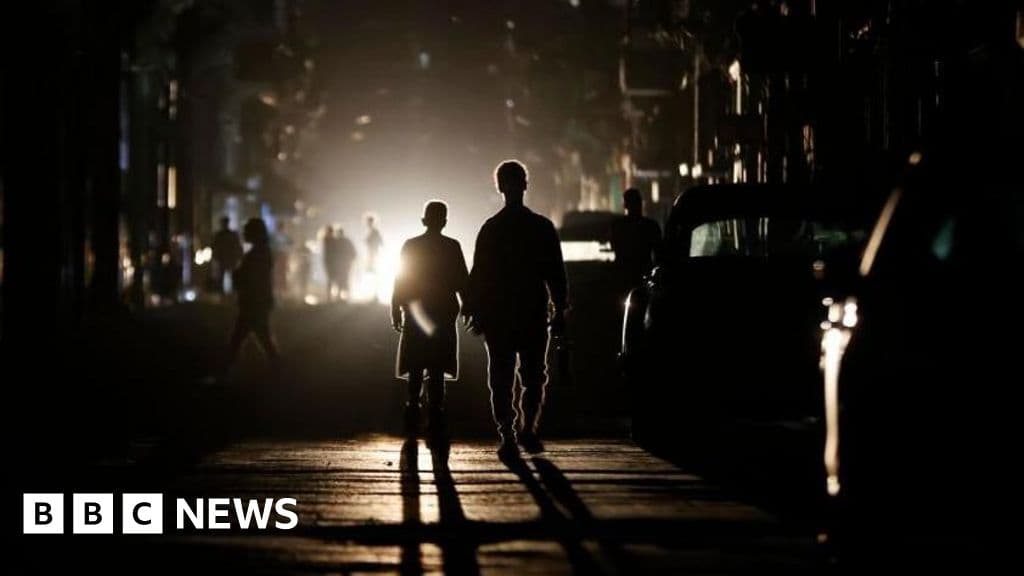
A suffocating silence has descended across the Caribbean island as Cuba's national electrical grid suffered another catastrophic failure, plunging more than 10 million residents into an indefinite and deepening energy crisis. Across the capital of Havana and into the remote eastern provinces, traffic lights have ceased to function, water pumps have ground to a halt, and the pulse of the national economy has effectively flatlined.
This latest collapse is not merely a technical malfunction it is the manifestation of a systemic infrastructural decay that has plagued the nation for years. For the average Cuban household, the loss of electricity translates to the immediate spoilage of rationed food supplies, the suspension of critical medical services, and the total paralysis of daily commerce. As the state utility struggles to restore capacity, the incident raises urgent questions about the sustainability of an energy model built on aging technology and limited access to global capital.
The collapse traces its origin to a critical failure at the Antonio Guiteras thermal power plant, the cornerstone of the island's energy generation infrastructure. Experts note that the facility, along with several other aging plants across the country, has been operating at near-capacity with minimal maintenance for over a decade. The reliance on heavy fuel oil, much of which must be imported, creates a precarious dependency that leaves the entire grid vulnerable to global market volatility and supply chain disruptions.
Technical analysis provided by regional energy observers indicates that the grid lacks the redundancy required to survive the cascading failure of any single major plant. When the main units drop offline, the remaining network lacks the buffer capacity to sustain the load, leading to a domino effect of shutdowns. The breakdown highlights several key factors contributing to this instability:
Behind the statistics of megawatts and load sheds lies a profound human toll. In cities across the island, the blackout has forced citizens into a state of precarious survival. Without electricity, local water distribution systems, which rely on electric pumps to move water to high-rise buildings and rural communities, fail almost immediately. This leads to secondary crises in sanitation and access to potable water.
Small business owners, who have navigated the challenges of a restricted economy, report that the blackout marks a final breaking point. Restaurants are forced to dispose of entire stocks of perishable inventory, while the inability to process digital or card-based transactions—increasingly the standard for economic interaction—renders the informal economy completely stagnant. For the student, the loss of power means an interruption in education for the hospital administrator, it necessitates the emergency diversion of fuel supplies from the public grid to keep life-support systems functional.
Cuba's energy crisis is inextricably linked to its geopolitical isolation. Decades of economic sanctions have prevented the country from accessing the international credit markets necessary to fund a transition toward modern, sustainable energy infrastructure. While neighboring Caribbean nations have increasingly turned to solar, wind, and liquid natural gas (LNG) projects backed by international development loans, Cuba remains trapped in a cycle of repairing assets that are beyond their operational life cycle.
Analysts at international policy institutes suggest that even if the government were to initiate a rapid transition, the cost would be staggering. Transitioning away from thermal plants would require billions of dollars in foreign direct investment—an unlikely prospect under the current regulatory and diplomatic framework. Without access to the global energy market or technological cooperation, the island remains locked in a high-cost, high-risk energy cycle.
The Cuban situation serves as a stark warning to other developing economies, including those across East Africa, regarding the necessity of a diversified energy portfolio. Kenya, for instance, has aggressively pursued a strategy that minimizes reliance on single-source thermal energy, investing heavily in geothermal, wind, and solar capacity. This strategic pivot provides a buffer when droughts reduce hydroelectric output, geothermal plants in the Rift Valley ensure a reliable baseload that stabilizes the grid.
The disparity between the Cuban grid failure and the ongoing energy transitions in countries like Kenya, Ethiopia, and Rwanda illustrates a fundamental tenet of development economics: energy security is the primary prerequisite for economic growth. Kenya's installed capacity, which relies on renewables for over 80 percent of its generation, demonstrates that countries with limited access to fossil fuels can achieve grid resilience through technological adaptation.
As the international community watches the lights flicker on and off across the Caribbean, the lesson remains clear: an electrical grid is not just a collection of wires and turbines, but the very infrastructure of social stability. When the grid fails, the society that depends on it fails with it. Whether Havana can secure the necessary partnerships to avoid a permanent blackout remains the defining question of the decade for the island's leadership.
Keep the conversation in one place—threads here stay linked to the story and in the forums.
Sign in to start a discussion
Start a conversation about this story and keep it linked here.
Other hot threads
E-sports and Gaming Community in Kenya
Active 10 months ago
Popular Recreational Activities Across Counties
Active 10 months ago
The Role of Technology in Modern Agriculture (AgriTech)
Active 10 months ago
Investing in Youth Sports Development Programs
Active 10 months ago