We're loading the full news article for you. This includes the article content, images, author information, and related articles.
Nasri recalls struggling to raise Sh500 while hustling in the ghetto just to book a studio session to record a demo. When he finally managed to get the money, the experience turned devastating.
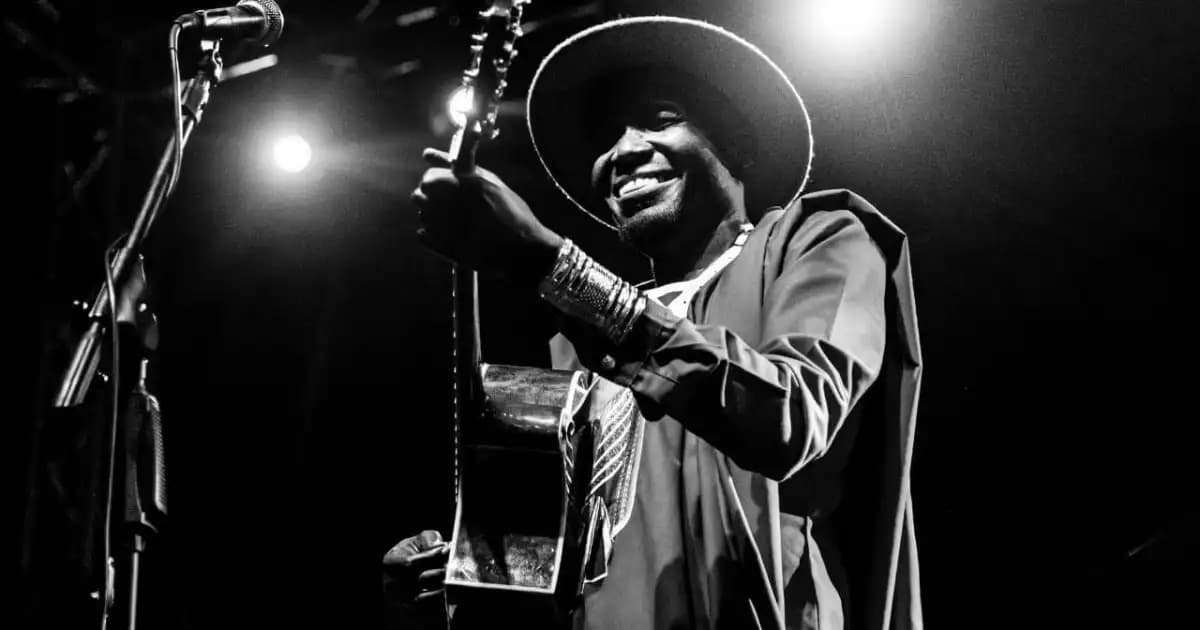
In the unforgiving trenches of Kenya's music industry, where talent often starves while mediocrity thrives on capital, the story of Nasri Babu serves as a raw, unfiltered testament to the brutal realities of chasing artistic dreams in the ghettos of Nairobi.
Nasri Babu's journey is not a fairy tale; it is a survival story. Before the flashing lights and the hit track "Kasongo" catapulted him into the national limelight, he was just another ambitious youth trying to scrape together Sh500 (approx. KES 500) to record a simple demo. This minuscule amount, practically loose change to the elite, represented a mountain of hustle and sacrifice.
This narrative matters today because it exposes the predatory underbelly of the East African creative economy. It highlights the urgent need for structural support, fair practices, and artist protection in an industry that routinely exploits its most vulnerable creators. Babu's near-destruction at the hands of a rogue producer is a cautionary tale for thousands of aspiring artists across the region.
The reality of the "ghetto hustle" is defined by extreme margins. For Nasri, raising the initial studio fee required days of grueling effort. When he finally secured the funds and crossed the threshold of the recording studio, he was met not with mentorship, but with exploitation. The producer, acting as a gatekeeper to the industry, nearly extinguished Nasri's career before it even began.
Such rogue producers are a systemic plague in the Kenyan music scene. They operate in unregulated spaces, demanding upfront payments for subpar services, hoarding master recordings, and demoralizing young talent. The psychological toll of this betrayal is often more damaging than the financial loss, crushing the spirit of artists who already face monumental societal hurdles.
Despite the crushing setback, Nasri's resilience prevailed. The eventual release and explosive success of "Kasongo" marked a definitive turning point. The track resonated with the masses, blending relatable storytelling with infectious rhythms, proving that authentic ghetto narratives hold immense commercial power.
The success of "Kasongo" underscores several critical shifts in the East African music landscape:
However, the transition from a struggling artist to a recognized brand brings its own set of challenges, including managing sudden wealth, navigating complex contracts, and sustaining creative momentum in a notoriously fickle market.
Nasri Babu's harrowing experience demands a broader conversation about the state of Kenya's creative infrastructure. The lack of standardized rates, accessible legal counsel for artists, and mechanisms to hold rogue producers accountable continues to stifle the industry's true potential.
If Kenya is to rival the global dominance of Afrobeats or Amapiano, it must build an ecosystem that nurtures rather than exploits its foundational talent. Until then, the burden of survival rests entirely on the shoulders of the artists.
"The ghetto teaches you how to survive, but the industry teaches you who to trust. 'Kasongo' was not just a song; it was my escape route," Babu reflects on his arduous journey.
Keep the conversation in one place—threads here stay linked to the story and in the forums.
Sign in to start a discussion
Start a conversation about this story and keep it linked here.
Other hot threads
E-sports and Gaming Community in Kenya
Active 9 months ago
The Role of Technology in Modern Agriculture (AgriTech)
Active 9 months ago
Popular Recreational Activities Across Counties
Active 9 months ago
Investing in Youth Sports Development Programs
Active 9 months ago