We're loading the full news article for you. This includes the article content, images, author information, and related articles.
For thousands of Kenyans, Nairobi's notorious traffic jams are not a nuisance but a workplace. This informal economy provides a vital lifeline, yet operates in a precarious space between survival and relentless city county enforcement.
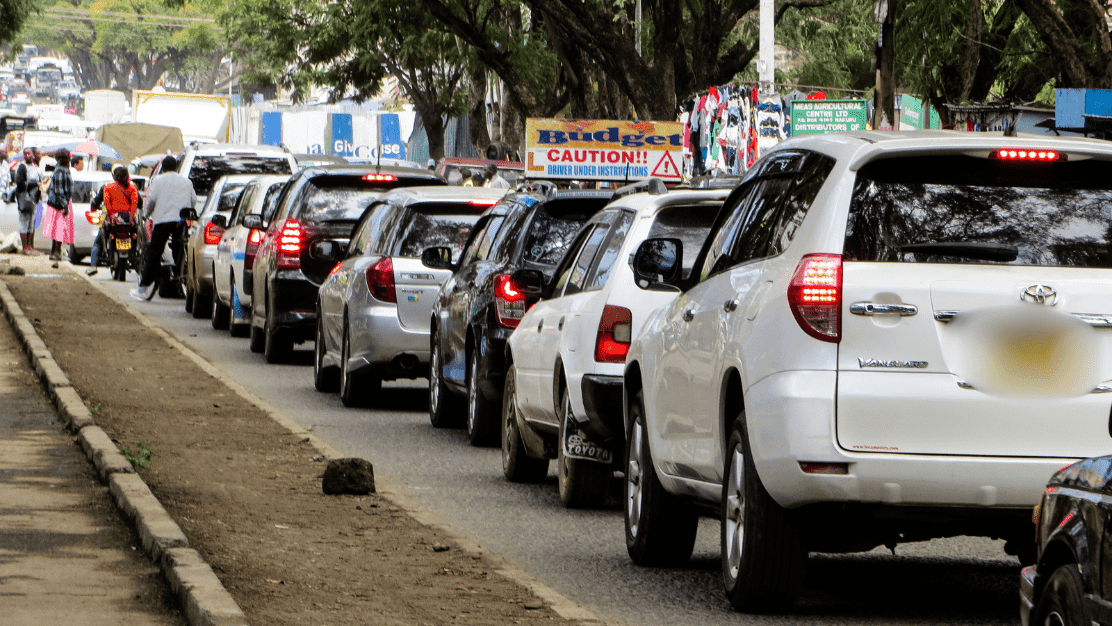
In Nairobi, the daily rhythm of traffic congestion orchestrates a unique and resilient informal market. As vehicles grind to a halt on major arteries like Thika Superhighway, Uhuru Highway, and Mombasa Road, the roads transform into bustling marketplaces. Hawkers, navigating the tight spaces between idling cars, sell everything from snacks and beverages to footballs and household goods, turning the city's frustrating gridlock into a source of livelihood. This phenomenon, often dubbed the 'jam' economy, represents a critical survival strategy for thousands facing unemployment and harsh economic conditions in Kenya.
The earnings for these entrepreneurs are as unpredictable as the traffic flow itself. On a good day, with heavy traffic and a hot sun, a vendor selling cold drinks might make up to KSh 5,000. On a slow day, earnings can plummet to a mere KSh 200. Janepher Nakhulo, who has been roasting and selling maize on the roadside for a decade, earns just over KSh 1,000 on a good day. “It is not much, but at least I go home with something,” she stated in a 2025 interview. For many, like 35-year-old Burundian refugee Desire Ilandinknda who sells footballs, this trade is a lifeline. "There are weeks I can go three days without a single sale, but I still come. At the end of the day, we have bills to pay," he explained.
The 'jam' economy, while providing essential income, is fraught with peril. Hawkers face the constant danger of being struck by fast-moving vehicles or boda-bodas as they weave through traffic. "One mistake and you can be hit just because you're chasing a few coins," Ilandinknda recounted, having been hit by a motorcycle himself two years prior. Beyond the physical risks, vendors endure harassment and extortion from city county inspectorate officers, a persistent challenge for informal traders across Nairobi. This environment of uncertainty is compounded by the lack of social safety nets, with a 2024 report indicating that only 19 percent of Kenya's workforce, primarily in the formal sector, actively contributes to a pension scheme.
The economic cost of the very traffic that enables this trade is staggering for the broader Kenyan economy. The Nairobi Metropolitan Authority (NaMATA) estimates that traffic congestion costs the country's economy KSh 100 billion annually, or about Sh58.4 million a day in lost productivity. This paradox highlights the complex challenge facing Kenyan policymakers: how to address the economic drain of traffic and formalize the city's public spaces without destroying the livelihoods of those who depend on the informal 'jam' economy.
The Nairobi City County Government has consistently struggled to manage the proliferation of hawkers. In a notice issued on January 6, 2025, the county government banned hawking on eight main streets in the Central Business District (CBD), restricting the activity to designated backstreets between 4:00 PM and 10:00 PM EAT from Monday to Saturday. This move, aimed at restoring order and ensuring pedestrian safety, is the latest in a series of attempts to regulate the informal sector, which often leads to clashes between traders and county authorities. These enforcement actions are often criticized for being heavy-handed and failing to provide viable alternatives for the displaced vendors.
Hope for a more structured approach lies in national legislation. The Street Vendors (Protection of Livelihood) Bill, 2023, sponsored by Nominated Senator Esther Okenyuri, seeks to provide a legal framework for the recognition, protection, and regulation of street vending across Kenya. The bill, which was passed by the Senate and is currently before the National Assembly as of August 2025, proposes the establishment of designated vending zones (restriction-free, restricted, and no-vending zones) by county governments. It also aims to protect vendors from harassment and provide for their registration and licensing. If enacted, this law could decriminalize hawking and create a more predictable environment for traders. However, for those whose workplace is the ever-moving, chaotic traffic jam, it remains unclear how such a framework would be applied, leaving their future in a state of uncertainty, much like the traffic they depend on.
Keep the conversation in one place—threads here stay linked to the story and in the forums.
Sign in to start a discussion
Start a conversation about this story and keep it linked here.
Other hot threads
E-sports and Gaming Community in Kenya
Active 9 months ago
The Role of Technology in Modern Agriculture (AgriTech)
Active 9 months ago
Popular Recreational Activities Across Counties
Active 9 months ago
Investing in Youth Sports Development Programs
Active 9 months ago