We're loading the full news article for you. This includes the article content, images, author information, and related articles.
Heavy floods in Nairobi have destroyed critical water pipelines, leaving thousands of residents without supply.
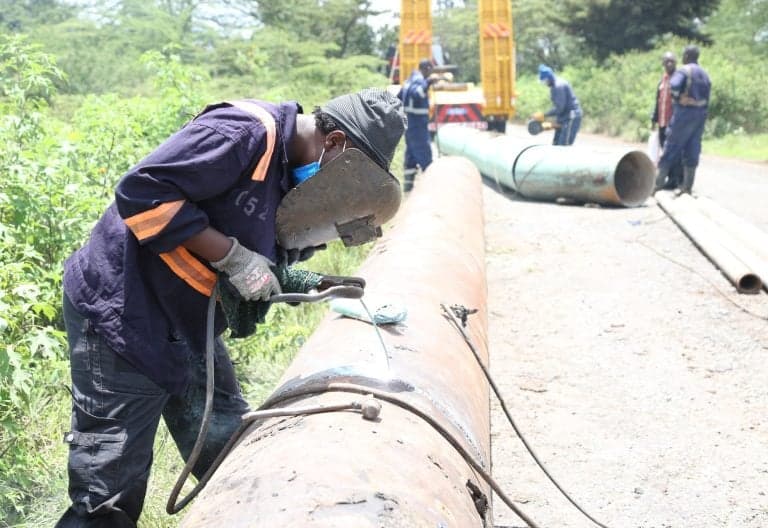
The Nairobi City Water and Sewerage Company (NCWSC) is racing against time to restore supply to 15 estates across the capital after torrential rains triggered flooding that decimated critical distribution infrastructure.
The damage to the Outering Road pipeline, a vital artery for the city’s water network, has left thousands of residents in Nairobi’s Eastlands and surrounding areas facing a sudden, indefinite water shortage.
The collapse of the infrastructure, exacerbated by the swelling Nairobi River, serves as a grim reminder of the city’s vulnerability to climate-induced disasters. As the meteorological department warns of continued heavy rainfall, the failure of these pipelines highlights a deeper, systemic issue regarding the maintenance and resilience of Nairobi’s aging utility framework. The destruction is not limited to Eastlands; reports have confirmed damage to the Eastleigh to Kiambiu line and several other critical junctions, creating a cascading impact on the city’s water security.
The NCWSC has mobilized technical teams to address the immediate crisis, but the scale of the damage is significant. The affected areas include some of the citys most densely populated residential zones, where access to piped water is essential for daily life.
Affected infrastructure and neighborhoods include:
This crisis is part of a larger, tragic pattern of destruction experienced across Kenya this March, with the national death toll from the floods rising to 25. The government has come under fire for what critics call a "slow response" to urban drainage failures and poor infrastructure planning. Experts argue that the city’s drainage systems, often clogged with debris and waste, are simply unable to handle the volume of water, turning streets into rivers and putting critical utilities—water, electricity, and telecommunications—at extreme risk.
“We are witnessing the limits of our urban resilience,” a civil engineer noted. “When the water rises, it’s not just the roads that disappear; it’s the systems that sustain our health and sanitation.”
As NCWSC engineers scramble to weld and fabricate new pipeline sections under difficult conditions, the message to residents is one of patience. However, the long-term solution requires more than temporary repairs. It requires a radical overhaul of how Nairobi manages its waterways and protects its utilities from the predictable—yet increasingly violent—weather patterns of the coming decade.
Keep the conversation in one place—threads here stay linked to the story and in the forums.
Sign in to start a discussion
Start a conversation about this story and keep it linked here.
Other hot threads
E-sports and Gaming Community in Kenya
Active 9 months ago
The Role of Technology in Modern Agriculture (AgriTech)
Active 9 months ago
Popular Recreational Activities Across Counties
Active 9 months ago
Investing in Youth Sports Development Programs
Active 9 months ago



