We're loading the full news article for you. This includes the article content, images, author information, and related articles.
Over 6,000 delegates descend on Gigiri to debate urgent resolutions on AI, pollution, and climate change.
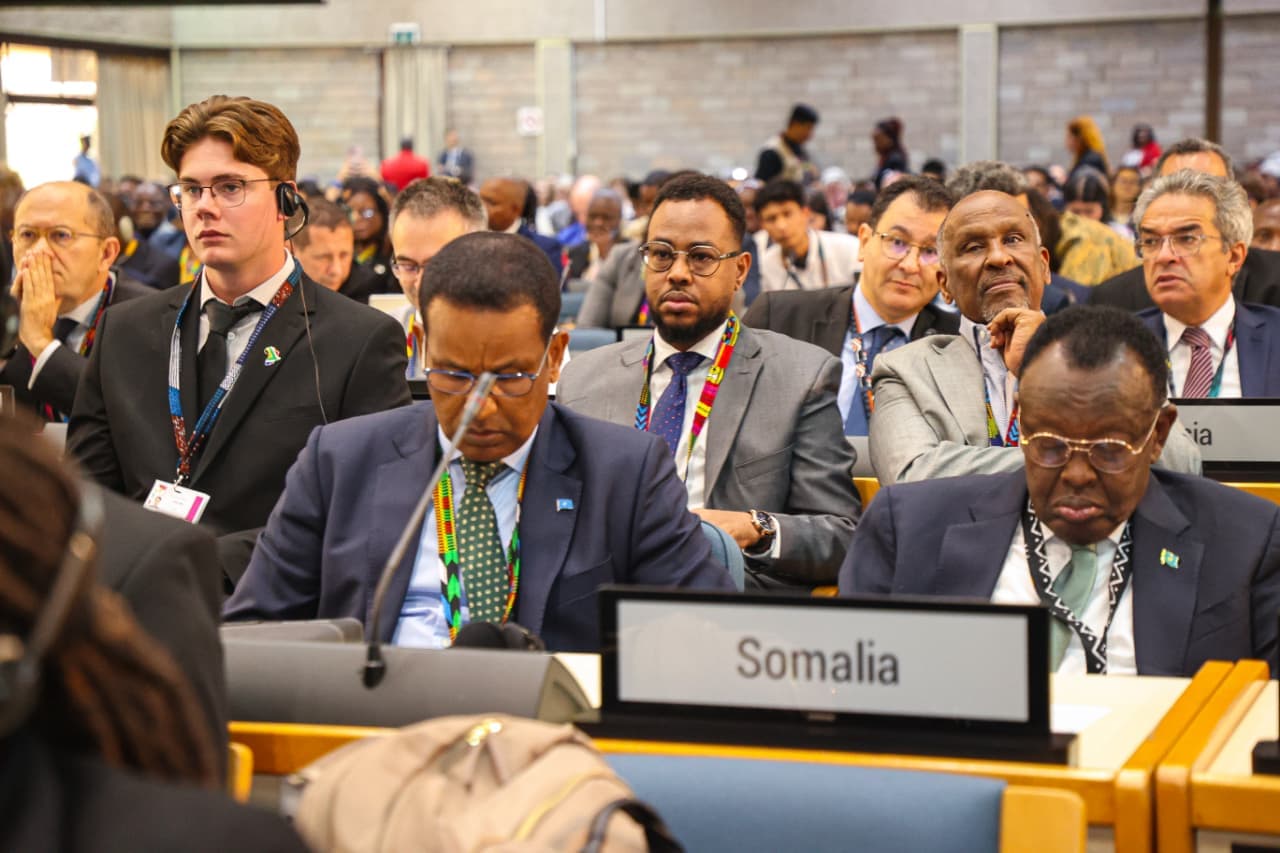
The world’s diplomatic gaze fixed firmly on Nairobi this week as the Seventh UN Environment Assembly (UNEA-7) kicked off, carrying the weight of a planet nearing its breaking point.
For Kenya, this is more than a diplomatic photo-op. As over 6,000 delegates gather in Gigiri, the decisions made here regarding pollution, biodiversity, and the emerging environmental cost of Artificial Intelligence will directly influence the future of our agriculture, tourism, and public health. The assembly represents the world’s highest decision-making body on the environment, a rare moment where Nairobi dictates the global pulse.
The assembly, which includes representatives from all 193 UN Member States, meets biennially to set the global environmental agenda. However, this year’s session opens against a backdrop of unprecedented urgency. Abdullah Bin Ali Al-Amri, President of UNEA-7 and Oman’s Environment Authority President, did not mince words during the opening plenary.
“Today we reaffirm our shared responsibility: to transform our determination into tangible results for people, ecosystems, and our planet’s stability,” Al-Amri stated, challenging delegates to move beyond rhetoric.
He warned that communities worldwide are enduring the “intertwined impacts” of climate change, land degradation, and pollution. For a Kenyan farmer watching the rains fail or a coastal resident witnessing rising tides, these are not abstract concepts but daily realities.
While the overarching themes are familiar, the specific resolutions on the table reflect a rapidly evolving threat landscape. UNEA-7 is set to negotiate 15 draft resolutions that push the boundaries of traditional environmental policy.
Key areas of focus include:
“Our success this week depends not only on the outcomes we adopt but also on how we reach them—through trust, transparency, compromise, and inclusiveness,” Al-Amri emphasized.
As negotiations heat up inside the UN complex, the message radiating from Nairobi is clear: the time for polite declarations has passed. The world is watching, and for the nations on the frontlines of the climate crisis, failure is not an option.
Keep the conversation in one place—threads here stay linked to the story and in the forums.
Sign in to start a discussion
Start a conversation about this story and keep it linked here.
Other hot threads
E-sports and Gaming Community in Kenya
Active 10 months ago
The Role of Technology in Modern Agriculture (AgriTech)
Active 10 months ago
Popular Recreational Activities Across Counties
Active 10 months ago
Investing in Youth Sports Development Programs
Active 10 months ago



