We're loading the full news article for you. This includes the article content, images, author information, and related articles.
As threats evolve from traditional piracy to climate-induced instability, Kenya rallies 16 nations to secure the Western Indian Ocean’s vital trade routes.
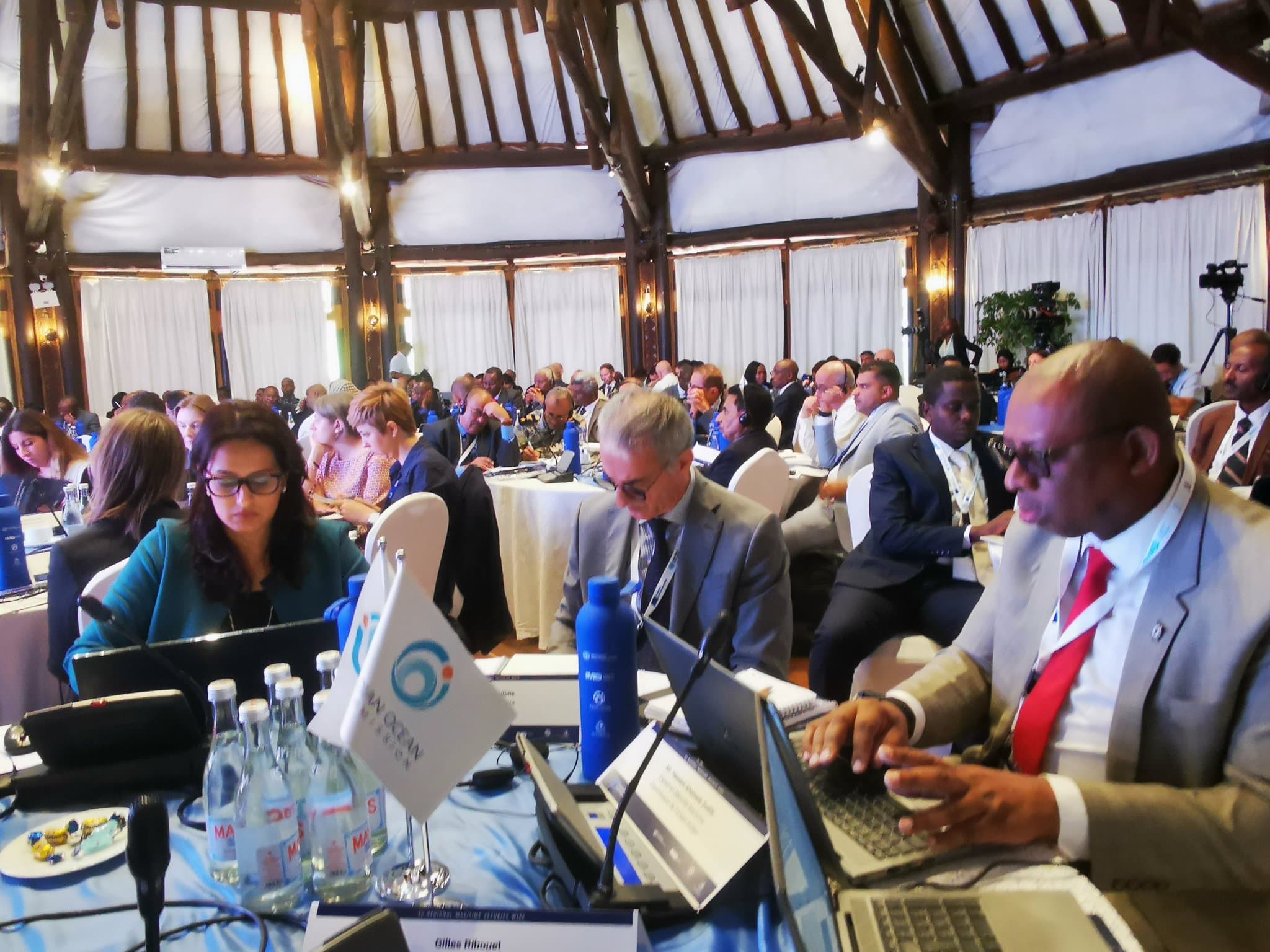
Nairobi has cemented its status as the nerve center for regional stability this week, concluding a high-stakes summit designed to secure the economic lifelines of the Western Indian Ocean and the Red Sea.
The inaugural EU Maritime Security Week, which wrapped up on Thursday, is not merely a diplomatic exercise; it represents a critical pivot in how East Africa protects its Blue Economy. With 112 delegates from 16 countries descending on the capital, the message was clear: the safety of our waters directly correlates to the cost of living and national security on the mainland.
The gathering, held from December 2 to 5, convened the steering committees of three massive EU-funded initiatives: the Red Sea Programme, the Safe Seas Programme, and the Port Security and Safety of Navigation Programme. These initiatives are the unseen engines ensuring that goods flowing into Mombasa and Lamu arrive safely, keeping insurance premiums—and consequently, shelf prices—stable.
Brigadier Mohamed Shemote, Commander of the Kenya Navy Fleet, represented Defence Cabinet Secretary Soipan Tuya at the forum. He characterized the event as a "unique opportunity" to dismantle the silos that often hinder cross-border security.
"Our region continues to grapple with constantly evolving threats," Brigadier Shemote noted, emphasizing that the era of fighting maritime crime in isolation is over. "These threats do not respect national borders; neither can our responses be confined within them."
While piracy often grabs headlines, the summit delved deeper into the systemic issues bleeding the region's economy. Illegal, Unreported, and Unregulated (IUU) fishing remains a scourge, robbing Kenyan fishermen of their livelihoods and depleting stocks meant for local consumption. Furthermore, the intersection of climate change and security has introduced new volatility to our coastlines.
The delegates identified a complex matrix of challenges requiring urgent, harmonized action:
"Security at sea is a shared responsibility," Brigadier Shemote stressed. As the delegates depart Nairobi, the focus now shifts from dialogue to operational reality—ensuring that the agreements made in conference rooms translate into safer waters for every vessel, from the largest container ship to the smallest fishing dhow.
Keep the conversation in one place—threads here stay linked to the story and in the forums.
Sign in to start a discussion
Start a conversation about this story and keep it linked here.
Other hot threads
E-sports and Gaming Community in Kenya
Active 10 months ago
The Role of Technology in Modern Agriculture (AgriTech)
Active 10 months ago
Popular Recreational Activities Across Counties
Active 10 months ago
Investing in Youth Sports Development Programs
Active 10 months ago
Key figures and persons of interest featured in this article