We're loading the full news article for you. This includes the article content, images, author information, and related articles.
**A landmark court case pits city dwellers against powerful construction firms, questioning who owns the very air and light between buildings in Kenya's rapidly growing capital.**
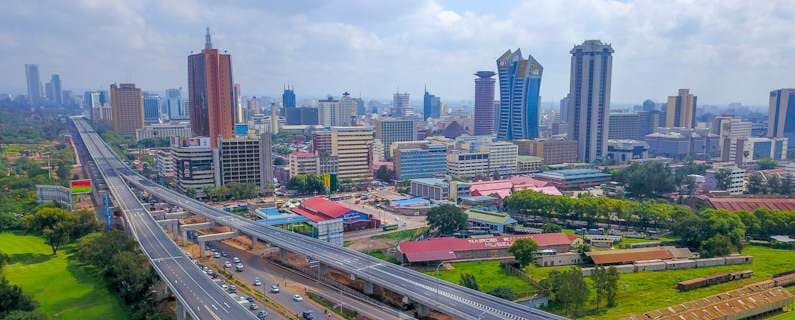
A group of Nairobi residents has launched a rare and audacious legal battle against major property developers, claiming that towering new high-rises have stolen their access to sunlight and fresh air. The case, filed at the Environment and Land Court, could fundamentally reshape urban development in a city reaching for the sky.
This is not just about a blocked view; it's about the future of Nairobi's neighbourhoods. The lawsuit argues that unchecked construction, particularly in formerly low-rise suburbs like Lavington and Parklands, threatens property values, health, and the basic quality of life for thousands, forcing a critical conversation on how Kenya balances intense development with the wellbeing of its citizens.
The conflict stems from a surge in approvals for multi-storey apartment blocks in areas previously dominated by single-dwelling homes. Residents from associations like those on Mbaazi Avenue in Lavington and along City Park Drive in Parklands allege that new 16 and 19-storey buildings have plunged their homes into darkness, rendering solar panels useless and forcing them to use artificial lighting during the day.
"My kitchen window, which once got the morning sun, now faces a concrete wall," one Parklands petitioner noted in court filings. The collective lawsuit, representing homeowners who invested millions of shillings in their properties, argues that these developments violate their constitutional right to a clean and healthy environment.
At the heart of the dispute are Nairobi's outdated and inconsistently enforced zoning laws. While developers maintain their projects received all necessary county government approvals, residents' associations contend these permissions were granted without adequate public participation and ignore the character of the neighbourhoods. The case leans heavily on Article 42 of the Kenyan Constitution, which guarantees every citizen the right to a clean and healthy environment.
Lawyers for the residents argue that this right is violated when developments:
Developers, however, argue their projects, some valued at over $50 million (approx. KES 6.5 billion), are essential for housing Nairobi's booming population and align with the city's push for urban densification. They claim to have followed all legal procedures, leaving the court to navigate the grey area between development rights and environmental rights.
As the legal arguments unfold, this case is being watched closely by urban planners and homeowners across the country. Its outcome may well determine whether the sky in Nairobi belongs to everyone, or only to those who can build the highest.
Keep the conversation in one place—threads here stay linked to the story and in the forums.
Sign in to start a discussion
Start a conversation about this story and keep it linked here.
Other hot threads
E-sports and Gaming Community in Kenya
Active 9 months ago
The Role of Technology in Modern Agriculture (AgriTech)
Active 9 months ago
Popular Recreational Activities Across Counties
Active 9 months ago
Investing in Youth Sports Development Programs
Active 9 months ago



