We're loading the full news article for you. This includes the article content, images, author information, and related articles.
**Top judicial officials acknowledge the immense pressure, as delayed justice threatens to erode public trust and stall economic activity in the capital.**
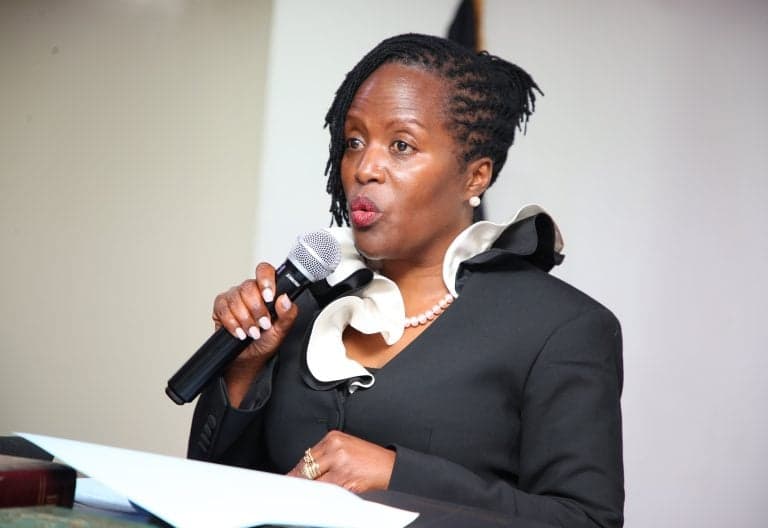
Nairobi's courts are straining under the weight of a crippling case backlog, a long-standing issue that top judicial officials now admit is placing the system under immense pressure. This judicial gridlock means justice delayed for thousands of citizens, translating directly into lost income, stalled business disputes, and a dangerous erosion of public faith in the legal system.
The sheer volume of unresolved cases is staggering. While the Judiciary's latest report for the 2024/25 fiscal year shows a commendable 104% case clearance rate nationally—meaning more cases were resolved than filed—the underlying backlog remains a monumental challenge. According to recent data, Magistrates' Courts handle the largest burden, accounting for approximately 73% of pending cases nationwide. For the average Nairobian, this translates into years spent waiting for land disputes, commercial claims, or family matters to be concluded, effectively putting their lives and livelihoods on hold.
The crisis is not born from a single failure but a confluence of systemic problems. Chief Justice Martha Koome has repeatedly highlighted several key obstacles hampering the swift delivery of justice. A persistent and severe funding shortfall is at the heart of the issue, with the Judiciary consistently receiving less than half of its required budget. This financial gap directly impacts its ability to operate effectively.
Key contributors to the backlog include:
In response, the Judiciary is pushing a multi-pronged strategy aimed at decongesting the courts. A major focus is the promotion of Alternative Dispute Resolution (ADR) mechanisms, such as mediation and arbitration, to resolve disputes outside the formal court process. The Constitution itself encourages these alternatives to deliver faster, more amicable resolutions.
Furthermore, technology is being leveraged to accelerate justice. Initiatives like the 'Mahakama Popote' virtual court system allow judges in less busy stations to remotely handle cases from overloaded courts. The expansion of Small Claims Courts has also been a significant success, celebrated for its simple, affordable, and fast resolution of civil claims. Despite these efforts, CJ Koome has warned that without adequate funding and staffing, these gains could be undermined.
As the Judiciary battles this internal challenge, the stakes for ordinary Kenyans could not be higher. The promise of a swift and fair hearing remains the bedrock of a just society, and the success of these reforms will determine whether that promise is kept for the citizens of Nairobi and beyond.
Keep the conversation in one place—threads here stay linked to the story and in the forums.
Sign in to start a discussion
Start a conversation about this story and keep it linked here.
Other hot threads
E-sports and Gaming Community in Kenya
Active 9 months ago
The Role of Technology in Modern Agriculture (AgriTech)
Active 9 months ago
Popular Recreational Activities Across Counties
Active 9 months ago
Investing in Youth Sports Development Programs
Active 9 months ago



