We're loading the full news article for you. This includes the article content, images, author information, and related articles.
As medical technology in Kenyan maternity wards advances, a growing movement of mothers and medics argues for a return to a fundamental principle: placing the woman's own experience and choices at the heart of childbirth.
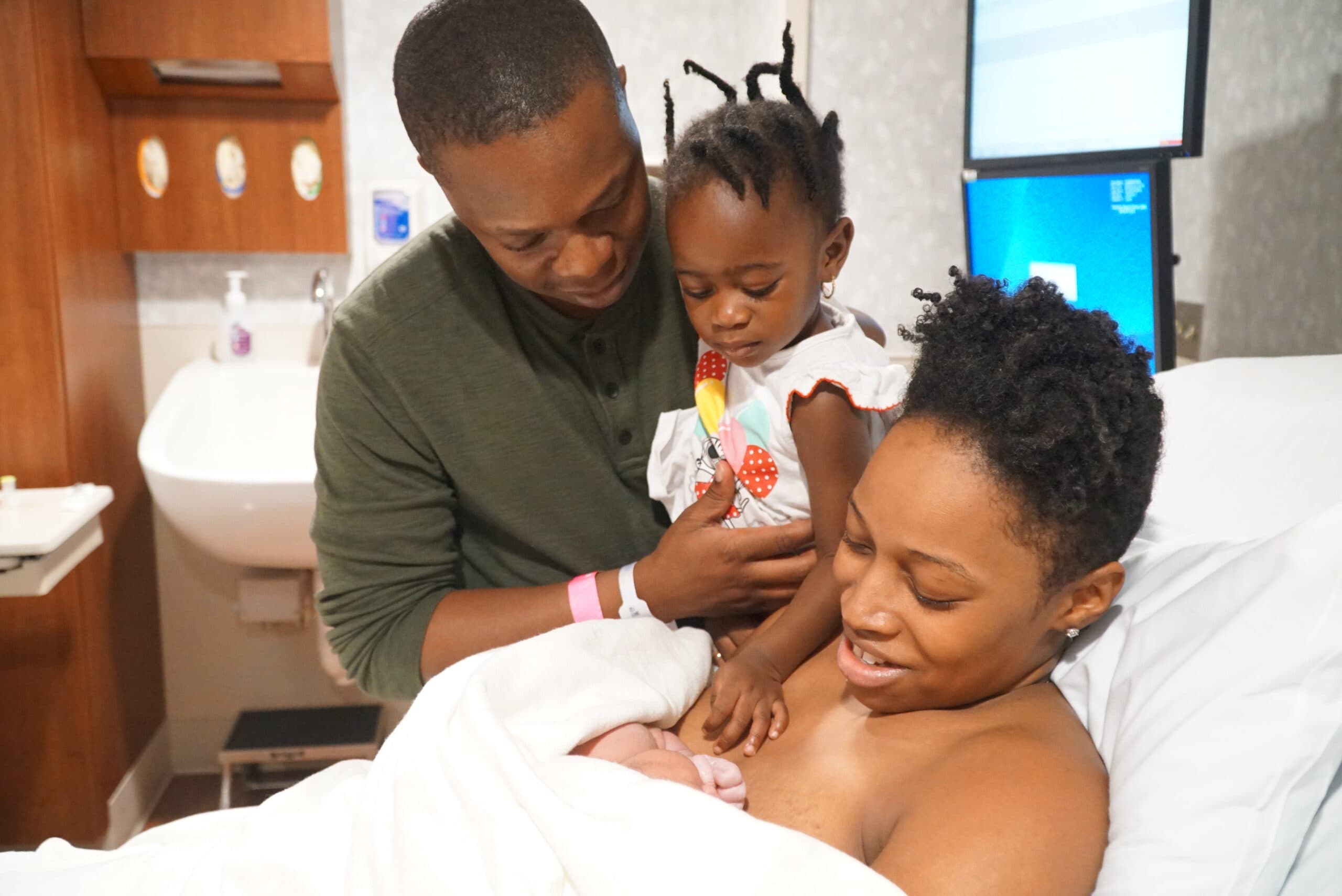
For generations, the act of giving birth in Kenya has been framed primarily as a clinical event, a hurdle to be overcome. But a powerful conversation is shifting the narrative, asking a critical question: In our race for technological advancement, are we forgetting the mother at the centre of it all?
This is the core of patient-centred care, a model that views childbirth not just as a medical procedure, but as a profound human experience where the mother is an active partner, not a passive patient. It’s about ensuring her values, needs, and preferences are respected, a stark contrast to the often harrowing experiences of disrespect and lack of communication many Kenyan women report.
While Kenya has made strides, it still grapples with a high maternal mortality rate, with one report from the United States Agency for International Development (USAID) ranking it fourth in Africa. The Ministry of Health notes that 15 of Kenya's 47 counties account for nearly 99% of all maternal deaths. Experts argue that a lack of patient-centred care contributes to this crisis. When women feel disrespected or unheard, they are less likely to seek care at facilities for future births, a critical factor for survival.
The financial burden adds another layer of anxiety. A normal delivery in a private Nairobi hospital can range from KES 50,000 to over KES 125,000, with caesarean sections costing up to KES 270,000 (approx. $2,100 USD). While government initiatives like the Linda Mama programme aim to provide free maternity care, challenges in quality and accessibility persist, leaving many to question if 'free' equates to 'quality'.
Innovation is rapidly changing the face of maternal health in Kenya. New technologies offer incredible promise:
Yet, the most advanced scanner cannot replace a provider's empathy. Studies in Kenya reveal that core components of patient-centred care, particularly in communication and respecting a woman's autonomy, are often lacking. Women frequently describe experiences of being shouted at, their pain dismissed, and decisions made without their consent.
Implementing true patient-centred care is not without hurdles. Challenges include time constraints in busy public hospitals, a lack of training for healthcare providers on soft skills, and deep-seated hierarchical norms. However, the benefits are clear and backed by research: better health outcomes for both mother and baby, faster recovery times, and higher patient satisfaction.
As one study on childbirth experiences in a Kenyan county hospital concluded, a positive and satisfying birth is possible even amidst pain, but it requires a deliberate focus on privacy, comfort, and respectful care. The future of safe motherhood in Kenya lies not only in the next technological breakthrough, but in the simple, powerful act of listening to the woman giving life.
Keep the conversation in one place—threads here stay linked to the story and in the forums.
Sign in to start a discussion
Start a conversation about this story and keep it linked here.
Other hot threads
E-sports and Gaming Community in Kenya
Active 9 months ago
The Role of Technology in Modern Agriculture (AgriTech)
Active 9 months ago
Popular Recreational Activities Across Counties
Active 9 months ago
Investing in Youth Sports Development Programs
Active 9 months ago