We're loading the full news article for you. This includes the article content, images, author information, and related articles.
Tech billionaire Elon Musk is leveraging his platform to pressure Senate Majority Leader John Thune, intensifying the battle over the controversial SAVE America Act.

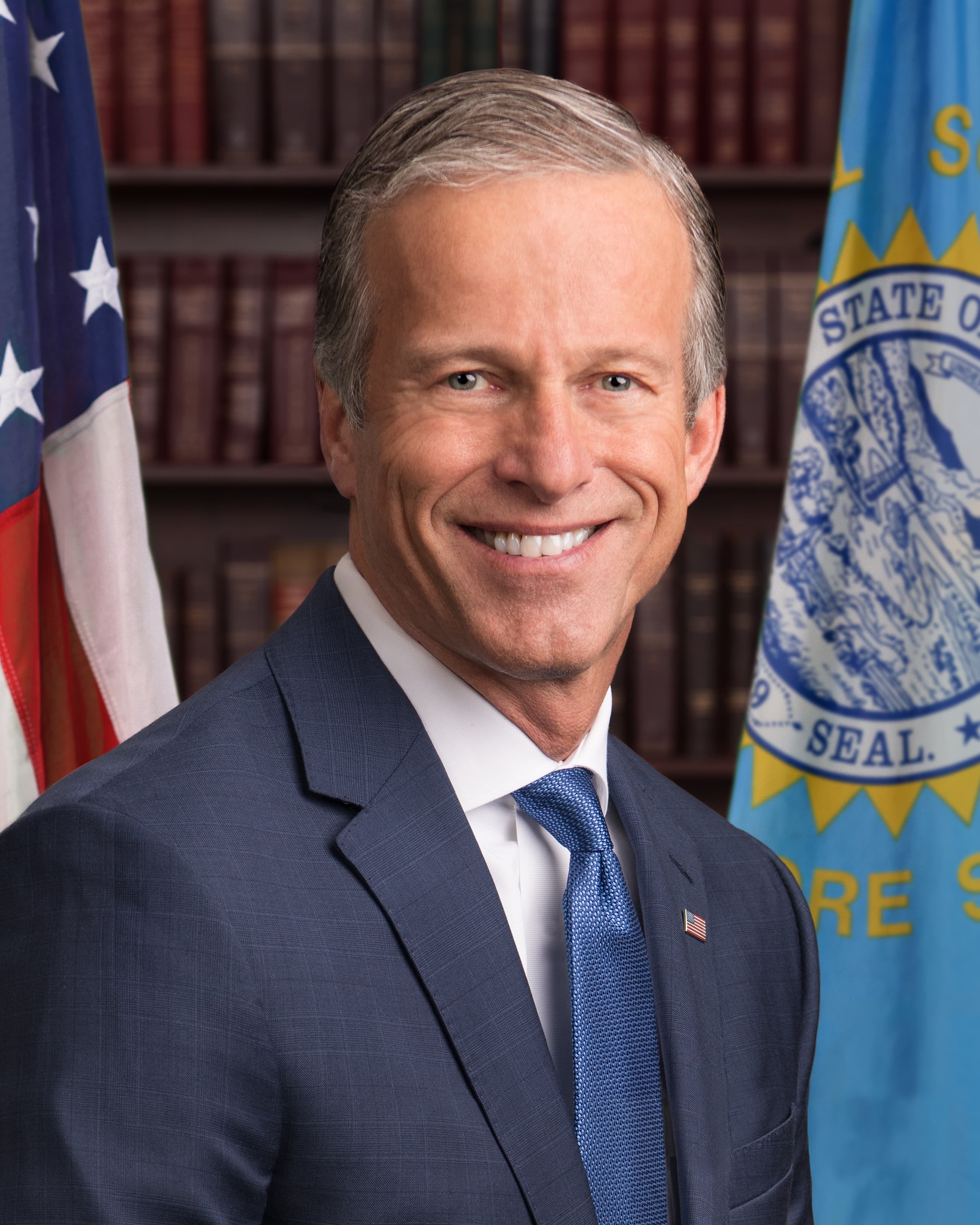
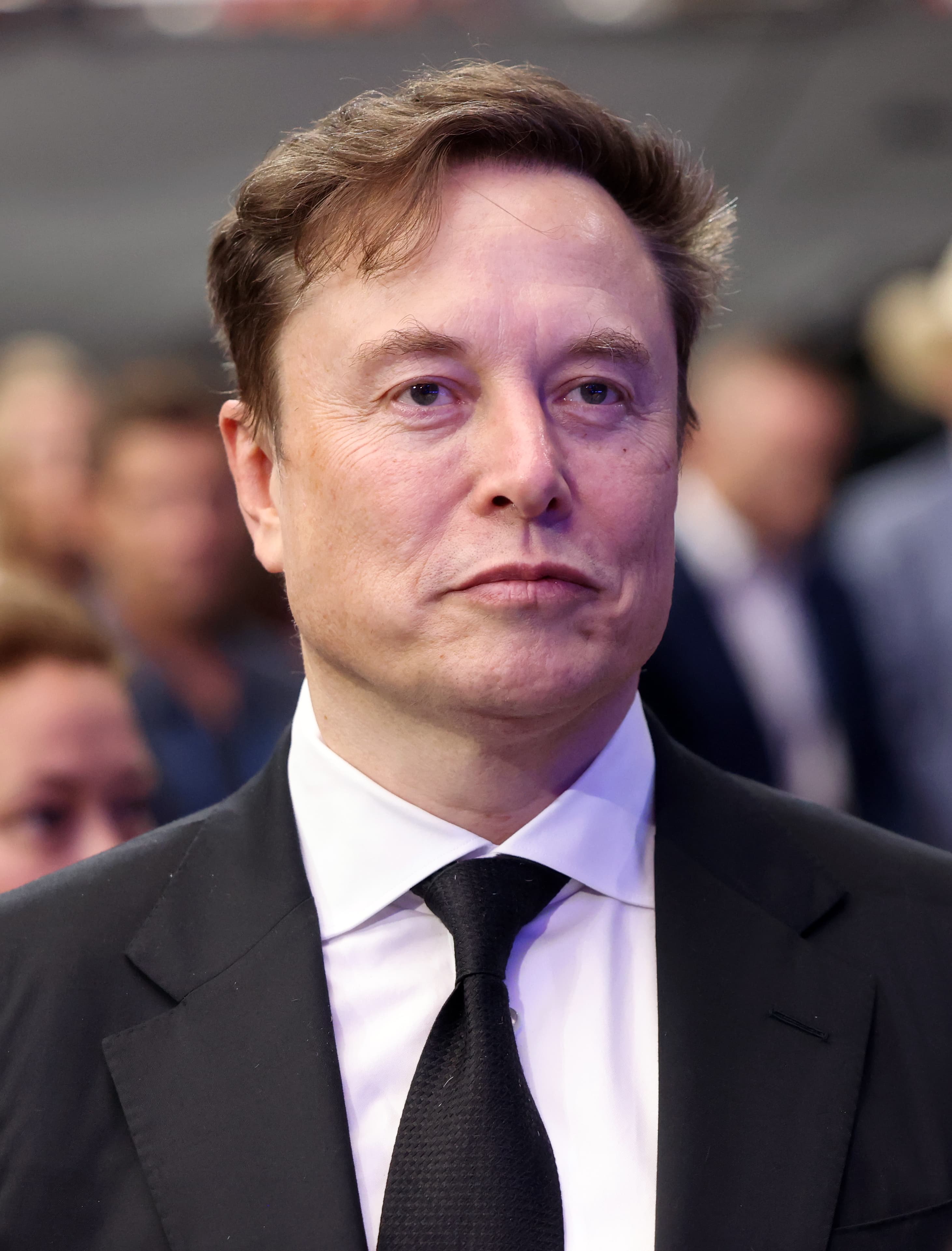
A storm of digital outrage is colliding with the slow, deliberate machinery of the United States Senate, as billionaire Elon Musk directs his immense online influence against Majority Leader John Thune. The confrontation, playing out across the platform X, marks an unprecedented escalation in the pressure campaign to force the passage of the Safeguard American Voter Eligibility (SAVE) America Act, a legislative proposal that threatens to reshape federal elections.
At the heart of this collision is the SAVE America Act, a polarizing piece of legislation that would mandate documentary proof of citizenship for all voter registration and impose rigorous new identification requirements for in-person and mail-in voting. The conflict exposes a deepening fissure between Senate Republican leadership, which remains tethered to institutional rules like the filibuster, and an energized populist base that views these procedural roadblocks as acts of betrayal. For millions of voters, the outcome of this standoff—and the rhetoric fueling it—reverberates far beyond Washington, signaling a volatile shift in how democratic institutions are expected to bow to external digital pressure.
Elon Musk, leveraging his position as one of the world’s most influential public figures and a major donor to the Republican party, has transformed his social media platform into a command center for the pro-legislation movement. By amplifying criticism of John Thune, the South Dakota Republican serving as Senate Majority Leader, Musk has turned a legislative debate into a personal loyalty test. For Thune, the pressure is relentless, as he attempts to manage a Senate GOP conference that is visibly split on whether to maintain traditional procedural guardrails or adopt the scorched-earth tactics demanded by the president and his inner circle.
The tension peaked this week as the Senate prepared to debate the legislation. Thune has consistently maintained that the votes required to invoke a so-called talking filibuster—a maneuver that would force opponents to hold the floor to block the bill—are simply not present. This admission, grounded in the rigid mathematics of the 100-seat chamber, has been interpreted by Musk and other hardline influencers as a failure of leadership rather than a political reality. The consequence is a sustained campaign painting the Majority Leader as an obstacle to the will of the base, potentially imperiling his standing among the very voters who form the party’s backbone.
The technical reality of the SAVE America Act is as contentious as the politics surrounding it. To pass the Senate, the legislation requires a 60-vote threshold to overcome the procedural barriers, a hurdle that current projections suggest the Republican leadership cannot clear. Unlike the House of Representatives, where the bill passed on February 11, the Senate requires a broader consensus that currently does not exist, given the unified Democratic opposition to the measures.
Thune’s refusal to blow up the filibuster rule reflects a broader strategic concern: that dismantling the institution’s procedural protections would ultimately empower Democrats when they eventually regain control. Yet, this institutional preservation is being framed by Musk and his allies as cowardice. The result is a stalemate that forces Republican senators to choose between their loyalty to the party leader, the president, and their own procedural commitments.
Beyond the legislative maneuvering, the real-world implications of the SAVE America Act are significant, particularly regarding voter access. Proponents argue the law is essential for securing elections against phantom risks of non-citizen voting. However, researchers from the Brennan Center for Justice and other non-partisan observers point to the high barrier to entry the act would create for eligible citizens.
The bill requires documentary proof such as a birth certificate or a U.S. passport. For millions of Americans, these documents are not readily accessible. Estimates suggest that more than 21 million voting-age Americans lack easy access to the specific documentation required, while roughly half of the population does not hold a valid passport. Obtaining a passport currently costs approximately $165, which is equivalent to roughly KES 21,500. For lower-income households, these costs and the bureaucratic labor involved in locating birth records represent a significant barrier to the ballot, a reality that opponents argue constitutes a de facto poll tax.
For readers in Nairobi and beyond, the vitriol in Washington is not a distant, academic exercise in American civics. The debate highlights a universal vulnerability in modern democracy: the tension between administrative election security and the fundamental right to vote. In Kenya, where electoral processes are often the subject of intense, often polarized scrutiny, the reliance on digital platforms to drive political narratives—and the tendency to view electoral institutions with skepticism—mirrors the American crisis.
The weaponization of social media to target individual lawmakers, as seen in the Musk-Thune feud, is a playbook being adopted globally. When digital platforms are used to bypass established legislative processes in favor of direct, populist pressure, it fundamentally alters the balance of power. Whether it is an election bill in the United States or a reform policy in East Africa, the central question remains the same: Can democratic institutions survive when the loudest voices in the digital arena demand they circumvent the very rules designed to ensure stability and deliberation? As the Senate debates continue, the world is watching to see if the institution holds firm or buckles under the weight of the new, algorithm-driven political reality.
Keep the conversation in one place—threads here stay linked to the story and in the forums.
Sign in to start a discussion
Start a conversation about this story and keep it linked here.
Other hot threads
E-sports and Gaming Community in Kenya
Active 10 months ago
The Role of Technology in Modern Agriculture (AgriTech)
Active 10 months ago
Popular Recreational Activities Across Counties
Active 10 months ago
Investing in Youth Sports Development Programs
Active 10 months ago
Key figures and persons of interest featured in this article