We're loading the full news article for you. This includes the article content, images, author information, and related articles.
**A new national security report reveals traditional justice systems are being misused to hide sexual predators, prompting the Interior Ministry to vow a crackdown on practices that deny victims justice.**

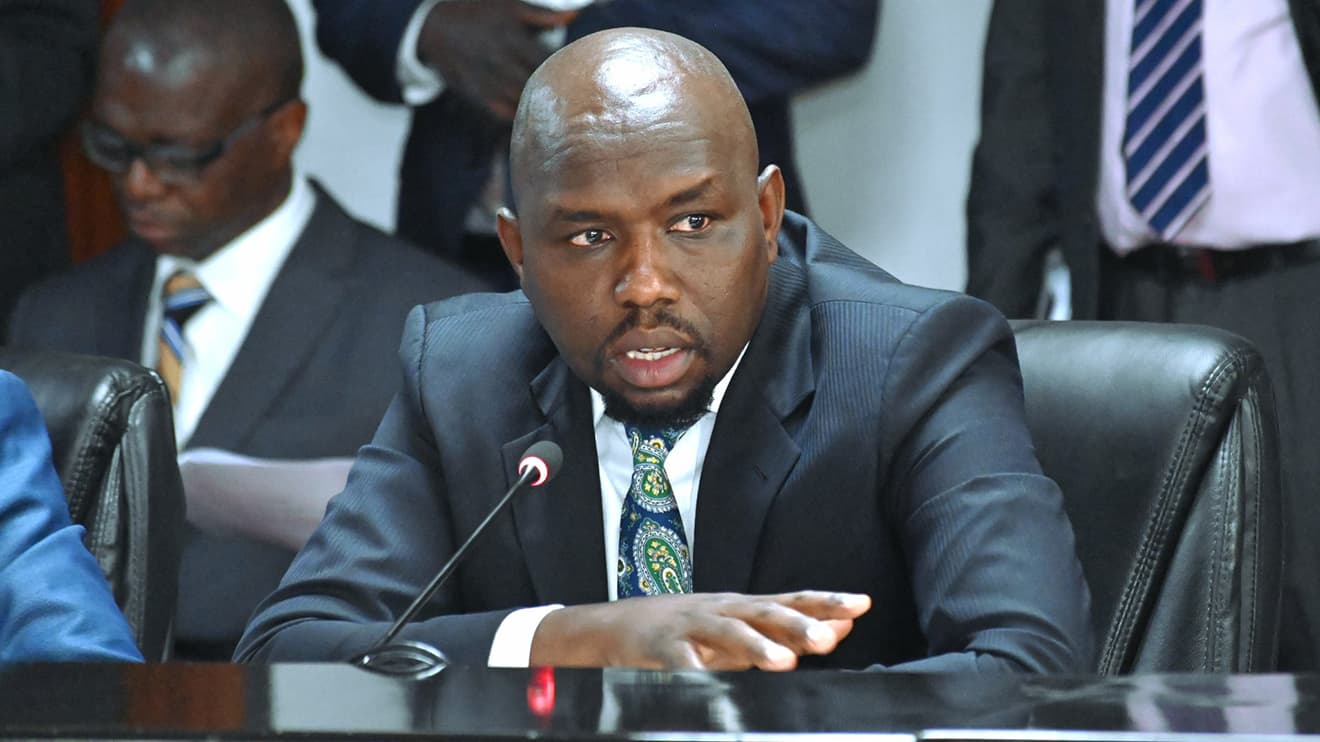
Interior Cabinet Secretary Kipchumba Murkomen has declared war on informal, ‘underground’ courts that aid sexual offenders in evading justice, following the release of a sobering national security report at State House, Nairobi.
The move targets the widespread misuse of traditional dispute resolution mechanisms, which, according to the government's findings, create a shadow justice system where perpetrators, particularly in North Eastern Kenya, are shielded from the law. This practice effectively silences victims and perpetuates a cycle of violence, leaving families and communities devastated.
The bombshell findings are contained in the new ‘Jukwaa la Usalama’ (Platform for Security) report, presented to President William Ruto on Tuesday. Compiled after seven months of town-hall meetings across all 47 counties, the report paints a grim picture of a nation grappling with a surge in Sexual and Gender-Based Violence (SGBV). It identifies SGBV, alongside banditry and drug abuse, as a primary threat to Kenya's stability.
The report explicitly names the ‘maslahah’ system, a traditional dispute resolution mechanism in the North Eastern region, as a key obstacle to justice. Participants in the forums complained that this system is often used to settle cases of sexual violence outside the legal process, especially when the perpetrators are close relatives or influential figures. “This denies the victims justice, support and fails to check the vice,” the report states.
This challenge is not isolated. Across the country, the report found that cultural interference and non-judicial settlements are collapsing cases before they ever reach a courtroom. In Kisii, for instance, leaders expressed alarm that child sexual abuse is increasingly being concealed through “amicable settlements” negotiated by families.
The findings highlight a raft of systemic weaknesses hindering the official justice system:
Speaking at the report's launch, CS Murkomen emphasized the gravity of the situation, noting a worrying increase in defilement cases in the Western and Nyanza regions, particularly in Kisumu and Migori counties. “What is most disturbing is that many of these cases involve people who are supposed to protect these children,” Murkomen noted.
The Interior Ministry’s report recommends the mandatory prosecution of all SGBV perpetrators as a critical step. Murkomen stated he intends to champion the establishment of more child protection units in sub-counties and gender desks at police stations to reinforce the formal justice system. While the Judiciary and legal bodies like the Law Society of Kenya have yet to issue a formal response to these specific findings, the report puts a sharp focus on the friction between constitutional law and cultural practices in delivering justice for the most vulnerable.
As Kenya marks the global 16 Days of Activism Against Gender-Based Violence, the ‘Jukwaa la Usalama’ report serves as a stark reminder of the hidden battles being fought in homes and villages. The government's next steps will determine whether these ‘underground’ courts are dismantled, or if they will continue to swallow survivors' hopes for justice.
Keep the conversation in one place—threads here stay linked to the story and in the forums.
Sign in to start a discussion
Start a conversation about this story and keep it linked here.
Other hot threads
E-sports and Gaming Community in Kenya
Active 9 months ago
The Role of Technology in Modern Agriculture (AgriTech)
Active 9 months ago
Popular Recreational Activities Across Counties
Active 9 months ago
Investing in Youth Sports Development Programs
Active 9 months ago
Key figures and persons of interest featured in this article