We're loading the full news article for you. This includes the article content, images, author information, and related articles.
A multi-billion-shilling land grabbing scandal has rocked Kenya's higher education sector, with rogue cartels and complicit officials systematically stripping public universities of prime real estate.
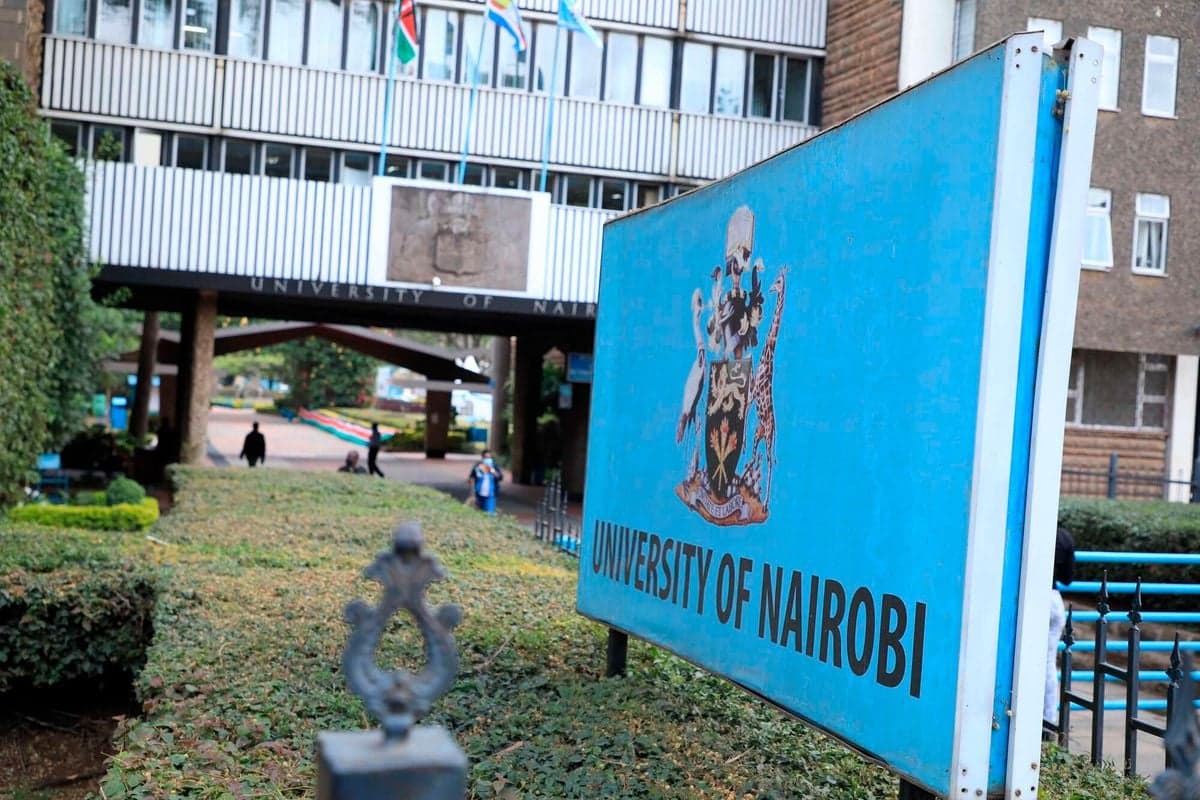
A multi-billion-shilling land grabbing scandal has rocked Kenya's higher education sector, with rogue cartels and complicit officials systematically stripping public universities of prime real estate.
Prime land belonging to Kenya's premier educational institutions is vanishing. A devastating audit has exposed a highly coordinated plunder, threatening the future expansion of public universities.
The scale of the theft is unprecedented, valued at over $150 million (approx. KES 20 billion). This systematic asset stripping by deeply entrenched syndicates not only cripples the financial stability of tertiary institutions but also jeopardizes the infrastructural development critical for a booming student population in East Africa. It is a profound betrayal of the public trust that demands immediate, sweeping interventions from anti-corruption agencies.
The explosive findings from the Auditor General's office paint a grim picture of institutional vulnerability and administrative negligence. Across the country, several public universities are sitting on vast tracts of land without the fundamental legal protections of title deeds, formal lease agreements, or proper transfer documents. This bureaucratic vacuum has created a fertile hunting ground for sophisticated cartels. Operating with alarming efficiency, these shadowy groups—often acting in concert with corrupt insiders—have exploited the lack of documentation to systematically alienate, subdivide, and transfer prime university land to private entities.
The targeted properties are not barren wastelands; they are highly valuable urban and peri-urban parcels designated for future campus expansions, research facilities, and student housing. By exploiting historical ambiguities in land allocation and leveraging immense political patronage, these cartels have effectively paralyzed the strategic growth plans of the nation's top academic institutions. The audacity of the grab is staggering, with private developers already erecting commercial structures on land that rightfully belongs to the Kenyan public. The loss extends beyond mere financial valuation; it fundamentally restricts the capacity of universities to innovate and accommodate the soaring demand for higher education.
The most chilling aspect of this scandal is the undeniable evidence of internal complicity. The sheer magnitude of the KES 20 billion expropriation could not have occurred without the active facilitation or willful blindness of senior university officials and state bureaucrats. The audit points to a systemic failure of governance, where fiduciaries entrusted with protecting public assets have instead collaborated with private interests to plunder them. This betrayal is compounded by the glacial pace of the Ministry of Education and relevant land authorities in rectifying the documentary deficiencies, effectively providing cover for the ongoing theft.
Universities find themselves trapped in a state of institutional paralysis. Without secure tenure, they are unable to leverage their land assets to secure development financing or engage in public-private partnerships. Furthermore, attempts to reclaim the stolen parcels are often mired in protracted, expensive legal battles against well-resourced cartels that utilize endless injunctions to maintain the status quo. The situation calls for the immediate intervention of the Ethics and Anti-Corruption Commission (EACC) to trace the beneficiaries of these illegal transfers, freeze associated assets, and initiate high-level prosecutions to dismantle the networks responsible for this academic sabotage.
Addressing this crisis requires a coordinated, multi-agency approach to salvage what remains and reclaim what has been lost.
"Education is the bedrock of our nation's future; allowing cartels to steal the very ground our universities stand on is an unforgivable crime against the next generation," an outraged civil society leader declared, echoing the public's demand for swift justice.
Keep the conversation in one place—threads here stay linked to the story and in the forums.
Sign in to start a discussion
Start a conversation about this story and keep it linked here.
Other hot threads
E-sports and Gaming Community in Kenya
Active 9 months ago
The Role of Technology in Modern Agriculture (AgriTech)
Active 9 months ago
Popular Recreational Activities Across Counties
Active 9 months ago
Investing in Youth Sports Development Programs
Active 9 months ago