We're loading the full news article for you. This includes the article content, images, author information, and related articles.
The National Assembly Budget and Appropriations Committee has expressed worries about national security preparedness and intelligence coordination.
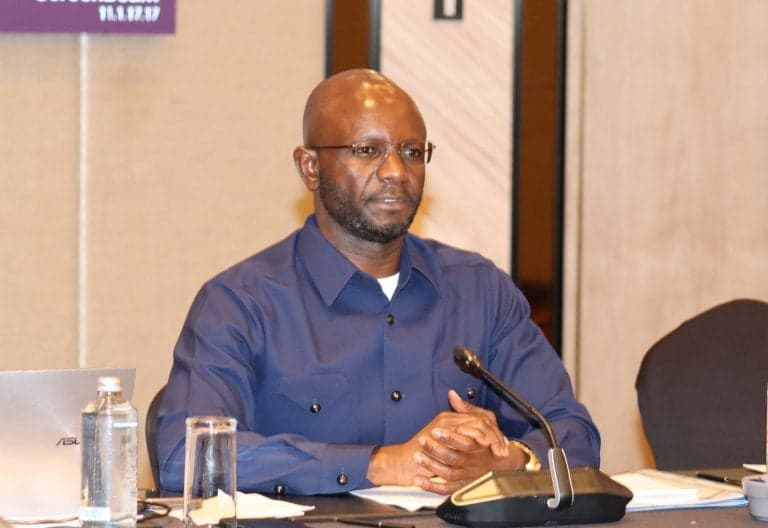
The National Assembly Budget and Appropriations Committee has raised profound concerns regarding intelligence coordination, deeply questioning the funding and operational effectiveness of the National Intelligence Service (NIS).
During a high-stakes review meeting in Kiambu County regarding the 2026 Budget Policy Statement, legislators scrutinised the escalating demands for billions of shillings in additional security funding. The debate highlighted a growing unease over the nation's preparedness against evolving domestic and international threats.
With rising incidents of lawlessness, cattle rustling, and the deeply disturbing transnational trafficking of Kenyan youths to foreign conflict zones, lawmakers are demanding concrete accountability. They argue that pouring resources into intelligence must translate into actionable, preventative security measures on the ground.
The financial requests tabled before the committee are substantial. The Chairperson of the Departmental Committee on Defence, Intelligence and Foreign Relations, Belgut MP Nelson Koech, passionately advocated for an extra Ksh13.69 billion (approx. $105m) to comprehensively enhance national security apparatuses. Within this massive figure, the NIS is seeking an additional Ksh6 billion to modernise its intelligence collection capabilities and upgrade technological infrastructure.
However, the Budget Committee, chaired by Samwel Atandi, exhibited considerable skepticism. While acknowledging the critical nature of national security, the members demanded a rigorous justification for the massive financial injection. They questioned whether previous allocations had yielded the desired results, pointing to apparent intelligence failures that preceded recent security breaches across various counties.
To verify the necessity of these funds, the legislators unanimously agreed on the need for rigorous parliamentary oversight. They proposed scheduling an unprecedented oversight visit to the highly secretive NIS facilities. This visit is intended to allow lawmakers to physically assess the operational challenges, examine the deployment of modern surveillance technology, and ensure that taxpayer money is being utilised efficiently and effectively.
The catalyst for this intense parliamentary scrutiny is a complex web of emerging security challenges. Domestically, the relentless surge in cattle rustling and rampant banditry in the volatile North Rift region continues to baffle security forces. Legislators expressed frustration that despite the heavy deployment of police and military units, the intelligence required to preempt these highly organised raids appears chronically insufficient.
Beyond the borders, a more insidious threat has captured national attention. The committee highlighted the alarming trend of Kenyan citizens being trafficked and exploited in foreign conflicts, most notably the ongoing crisis in Russia and Ukraine. The discovery of illegal recruitment agencies operating with apparent impunity within Kenya has severely damaged the credibility of the intelligence community.
The call for an oversight visit to the NIS marks a significant shift in parliamentary relations with the deeply clandestine security organ. Historically, intelligence budgets were passed with minimal debate under the veil of "national security." However, the current economic climate, coupled with public outrage over security lapses, has forced lawmakers to adopt a more aggressive investigative posture.
The committee members explicitly questioned how the NIS intends to improve its critical interaction and data-sharing protocols with the National Police Service. The lack of synergy between intelligence gatherers and law enforcement on the ground is widely viewed as the primary reason why actionable intelligence frequently fails to result in timely arrests or the prevention of violent crimes.
MP Nelson Koech welcomed the scrutiny, arguing that a deeper understanding of the shadowy world of intelligence gathering would ultimately convince the committee of the urgent need for increased funding. He emphasised that the NIS issued early warnings regarding illegal recruitment agencies, but the bureaucratic machinery failed to act decisively on those alerts.
The funding debate occurs against a backdrop of severe fiscal constraints. The government is desperately trying to balance critical infrastructure projects, healthcare, and education against the undeniable necessity of maintaining sovereign security. Every shilling allocated to the military and intelligence sectors is a shilling diverted from socio-economic development programmes.
Furthermore, the committee received sweeping applications to allocate more money across the entire defence spectrum, including Ksh5.5 billion directly to the Ministry of Defence. This militarisation of the budget reflects a growing regional instability that threatens to spill over Kenyan borders, necessitating a robust and highly modernised defensive posture.
"We must guarantee that every billion allocated to intelligence directly translates into the absolute safety and security of every Kenyan citizen, both at home and abroad," declared Chairman Atandi, summarising the committee's resolute stance.
Keep the conversation in one place—threads here stay linked to the story and in the forums.
Sign in to start a discussion
Start a conversation about this story and keep it linked here.
Other hot threads
E-sports and Gaming Community in Kenya
Active 9 months ago
The Role of Technology in Modern Agriculture (AgriTech)
Active 9 months ago
Popular Recreational Activities Across Counties
Active 9 months ago
Investing in Youth Sports Development Programs
Active 9 months ago
Key figures and persons of interest featured in this article