We're loading the full news article for you. This includes the article content, images, author information, and related articles.
Zanzibar government has ordered 29 modern waste management trucks under the BIG-Z Project to strengthen sanitation services.
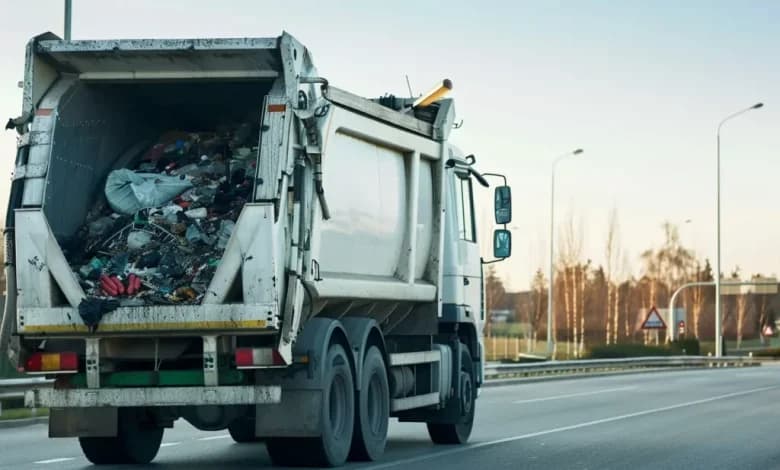
The Zanzibar government has officially ordered 29 modern waste management trucks under the ambitious BIG-Z Project to radically transform sanitation services across the archipelago.
In a decisive and sweeping move to combat urban pollution and elevate public health standards, the Revolutionary Government of Zanzibar has initiated a massive overhaul of its municipal waste management infrastructure. Spearheaded by the Ministry of Finance and Planning, the comprehensive BIG-Z Project aims to systematically eradicate the unsightly and unhygienic waste accumulation that has sporadically plagued the rapidly growing urban centers of the historic island.
This aggressive sanitation drive is critically important at this specific juncture because Zanzibar's entire economic lifeblood is deeply intertwined with its pristine international image as a premier global tourist destination. Unmanaged waste not only severely threatens local public health through waterborne diseases but also fundamentally jeopardizes the island's lucrative blue economy and its highly competitive standing in the global hospitality market. The intervention is a vital necessity for sustainable island development.
Minister of State in the President’s Office, Mr. Idrissa Kitwana Mustapha, recently confirmed that the initial phase of the heavy equipment rollout is already actively underway. Two cutting-edge waste management trucks have successfully arrived and are currently fully operational within the bustling Zanzibar Municipality. The remaining fleet of 27 high-capacity trucks is officially scheduled to touch down in April 2026, marking a monumental shift in the government's logistical capability to handle daily refuse generation.
Beyond merely collecting trash, the government's strategy encompasses a holistic, end-to-end approach to environmental cleanliness. The procurement plan meticulously includes six specialized, state-of-the-art road-sweeping vehicles that are specifically designed and capable of mechanically sweeping, intensely washing, and deeply scrubbing the urban road networks. This level of mechanized cleaning is entirely unprecedented in the region and sets a newly elevated benchmark for municipal administration across East Africa.
Recognizing that collection is only one half of the complex sanitation equation, the Zanzibar government is actively investing substantial capital into permanent waste management real estate. A major, highly sophisticated waste transfer station is currently slated for rapid construction at Fuoni Chunga. This strategically located facility will efficiently serve the densely populated West A and West B municipalities, acting as a crucial intermediary sorting point before final landfill disposal. Finalization of the lucrative construction contract for this specific project is currently underway.
Furthermore, the spatial distribution of waste collection has been radically decentralized to ensure maximum community coverage. The government has strategically allocated 111 distinct geographic sites for designated local waste collection centers. Faster Construction Limited has been officially contracted to build 73 of these vital collection points across Unguja, while Okra Construction Limited is actively tasked with constructing the remaining 38 specialized points on the sister island of Pemba.
The minister astutely noted that the ongoing, extensive construction of new roads, modern drainage systems, and safe pedestrian walkways is actively operating in tandem with the waste management initiative to drastically improve overall cleanliness and visually enhance the architectural appearance of Zanzibar City. For an island that relies almost exclusively on the aesthetic appeal of its pristine beaches and the historic charm of Stone Town, this infrastructure upgrade is an absolute economic imperative.
This proactive, highly structured approach offers a profound and highly relevant lesson for other rapidly expanding coastal cities in the wider East African region, such as Mombasa and Dar es Salaam, which continue to struggle immensely with outdated, deeply flawed waste management protocols. By aggressively treating sanitation not merely as a basic municipal chore, but as a critical, fundamental pillar of its core macroeconomic strategy, Zanzibar is successfully paving the way for a distinctly greener, healthier, and vastly more prosperous future.
The bold modernization of these essential services guarantees that the island will remain a globally competitive, beautiful destination for generations to come.
Keep the conversation in one place—threads here stay linked to the story and in the forums.
Sign in to start a discussion
Start a conversation about this story and keep it linked here.
Other hot threads
E-sports and Gaming Community in Kenya
Active 9 months ago
The Role of Technology in Modern Agriculture (AgriTech)
Active 9 months ago
Popular Recreational Activities Across Counties
Active 9 months ago
Investing in Youth Sports Development Programs
Active 9 months ago