We're loading the full news article for you. This includes the article content, images, author information, and related articles.
MrBeast’s funding of 1,000 surgeries in Kenya restores sight to the blind but casts a harsh spotlight on the deficiencies of the public health system.
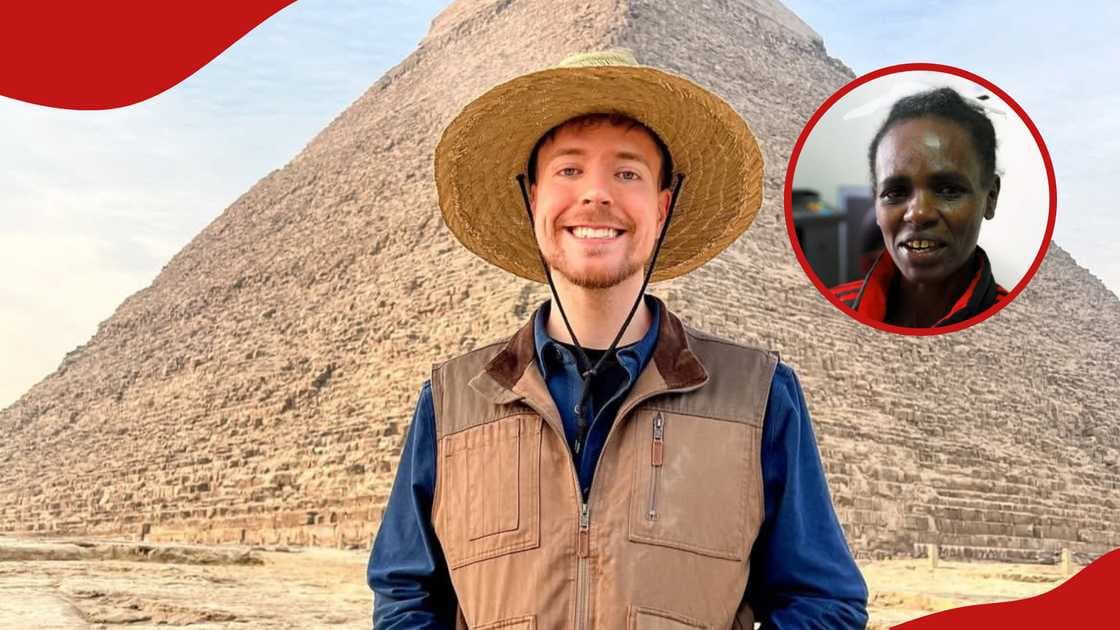
In a philanthropic blitz that has simultaneously warmed hearts and highlighted systemic failures, YouTube megastar Jimmy "MrBeast" Donaldson has funded 1,000 life-changing surgeries across Kenya, restoring sight and dignity to patients who had been waiting decades for care.
The initiative, revealed in a video released this week, saw the content creator partner with local medical teams to set up surgical camps in rural outposts. While the viral video racked up millions of views, on the ground, the reality was stark: for patients like "Mama Jane," who had lived with a debilitating thyroid condition for 20 years, this wasn't just content—it was a literal lifeline that the public health system had failed to provide.
The surgeries primarily focused on cataract removal, a procedure that takes less than 15 minutes but remains out of reach for millions of Kenyans due to cost and lack of specialized personnel in rural counties. By stepping in where the Ministry of Health has lagged, MrBeast’s team didn't just cure blindness; they rebooted local economies. A blind breadwinner cannot work; a sighted one returns to the farm, the market, and the workforce.
"I have waited for this day since my last born was in diapers," said one elderly recipient in Kiambu, tears streaming from eyes that could clearly see her grandchildren for the first time. "The government told me to wait. MrBeast told me to come."
While the "Beast Philanthropy" model is celebrated for its efficiency and direct impact, it raises uncomfortable questions about the state of Kenya’s Universal Health Coverage (UHC). That a YouTuber from North Carolina can organize and fund a mass surgical campaign faster than the county government is a damning indictment of local bureaucracy and resource allocation.
Medical professionals involved in the drive praised the logistical precision of the operation but lamented its temporary nature. "We cleared the backlog in these specific villages," noted Dr. Amoit, a volunteer surgeon. "But tomorrow, there will be more. We cannot rely on YouTubers to be our Ministry of Health."
As the camera crews pack up and the viral buzz fades, 1,000 Kenyans have their lives back. But for the millions still waiting in the queue, the question remains: who will help them when the likes and subscribes are no longer the currency of their cure?
Keep the conversation in one place—threads here stay linked to the story and in the forums.
Sign in to start a discussion
Start a conversation about this story and keep it linked here.
Other hot threads
E-sports and Gaming Community in Kenya
Active 9 months ago
The Role of Technology in Modern Agriculture (AgriTech)
Active 9 months ago
Popular Recreational Activities Across Counties
Active 9 months ago
Investing in Youth Sports Development Programs
Active 9 months ago