We're loading the full news article for you. This includes the article content, images, author information, and related articles.
The Milan-Cortina 2026 Winter Olympics launches a new dispersed hosting model that prioritizes sustainability and could redefine how the world stages mega-events.
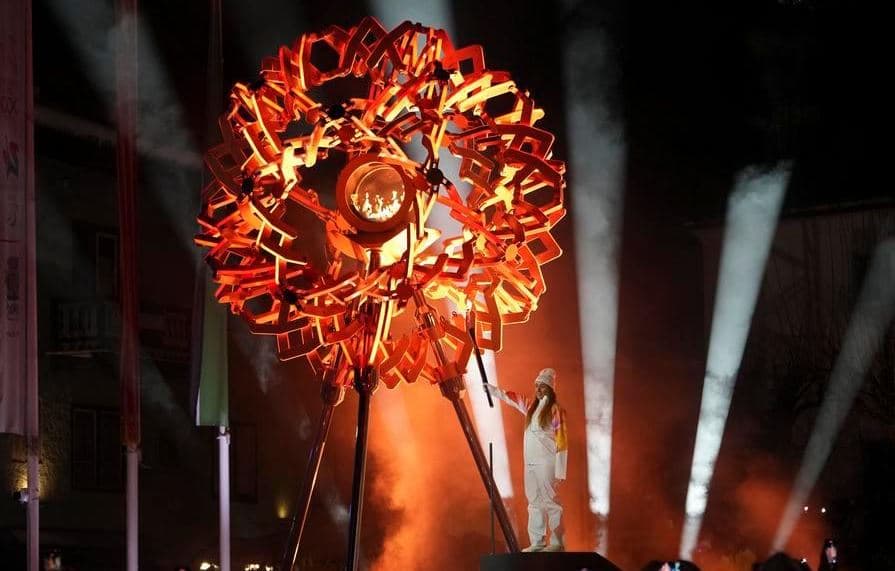
As the Olympic flame lit up the Alps for the Milan-Cortina Games, it ignited a new era for the Olympic Movement, one defined by sustainability and dispersed unity.
This is not just another winter spectacle; it is a litmus test for the future of mega-events. Under the leadership of IOC President Kirsty Coventry, the 2026 Games have abandoned the "compact city" model for a dispersed regional approach. This experiment could save the Olympics from extinction or dilute its spirit irrevocably.
Milan-Cortina is the first Games under Coventry’s presidency, and her stamp is visible. As a former champion, she understands the athlete's heart, but as an administrator, she faces the cold reality of economics. The "dispersed venue" concept—spreading events across Milan, Cortina, Valtellina, and Val di Fiemme—is a direct response to the ballooning costs that have scared away potential host cities. By using existing infrastructure across a wide region, the IOC is trying to prove that you don't need to bankrupt a nation to host the world.
For Kenya, a nation with sporting ambitions but limited infrastructure, this model offers a glimmer of hope. It suggests that future African bids could be regional efforts, sharing the burden and the glory.
Critics argue that spreading the athletes across hundreds of kilometers kills the "Olympic Village" vibe. However, the opening ceremony in Milan focused on digital connectivity to bridge the physical gaps.
If Milan-Cortina succeeds, it becomes the blueprint. If it feels disjointed, the IOC will have to go back to the drawing board. But one thing is clear: the era of the gigantist, ruinously expensive Olympics is over.
As the skiers descend the Dolomites and the skaters glide in Milan, they are racing on the edge of history. The Olympic Movement is adapting to survive. It is a bold, necessary evolution, proving that even the oldest traditions must change to stay relevant in the 21st century.
Keep the conversation in one place—threads here stay linked to the story and in the forums.
Sign in to start a discussion
Start a conversation about this story and keep it linked here.
Other hot threads
E-sports and Gaming Community in Kenya
Active 9 months ago
The Role of Technology in Modern Agriculture (AgriTech)
Active 9 months ago
Popular Recreational Activities Across Counties
Active 9 months ago
Investing in Youth Sports Development Programs
Active 9 months ago