We're loading the full news article for you. This includes the article content, images, author information, and related articles.
A direct Iranian drone strike on the U.S. Embassy in Riyadh has dramatically escalated Middle Eastern conflicts, triggering urgent safety alerts for hundreds of thousands of Kenyans in the Gulf.
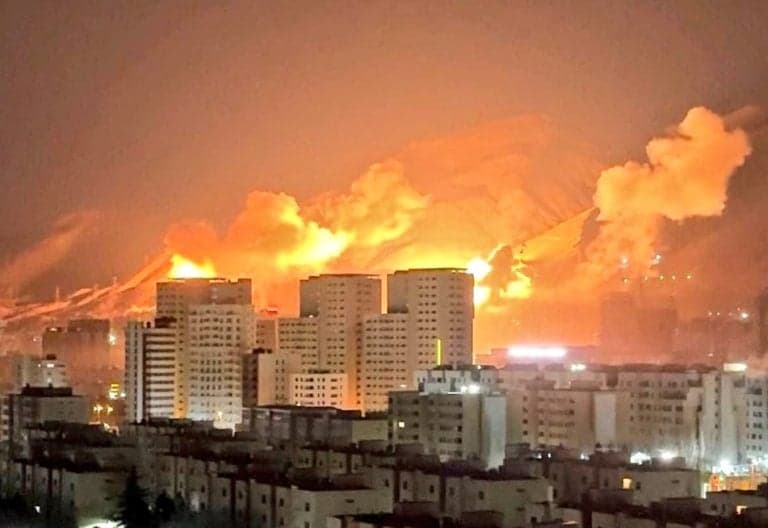
A direct, highly calculated Iranian drone strike on the U.S. Embassy in Riyadh has dramatically escalated Middle Eastern conflicts, sending global energy markets into an absolute, uncontrollable tailspin.
In a brazen display of military defiance, Iranian forces launched a coordinated attack against the United States Embassy in Saudi Arabia's heavily fortified capital early Tuesday morning, March 3, 2026. The devastating strike utilizing two advanced drones successfully breached the compound's perimeter, causing a localized fire and structural damage, marking a terrifying new chapter in the regional proxy war.
This aggressive retaliation occurred as the United States and Israel subjected Iranian infrastructure to a relentless, punishing campaign of airstrikes. U.S. President Donald Trump has ominously suggested that the ongoing bombardment is merely the prologue to a sustained, month-long offensive. As the geopolitical fault lines rupture, the entire Middle East stands on the precipice of an all-out, multi-front continental war.
The Riyadh embassy strike is not an isolated incident; it is a critical component of a massive, synchronized Iranian counter-offensive targeting nations deemed as safe havens for American and Israeli military assets. The strategic objective is to inflict maximum economic and psychological damage across the Gulf. Recent Iranian targets include vital Amazon data centers in the United Arab Emirates and military installations in Bahrain.
Furthermore, Iran has aggressively targeted crucial energy facilities in Qatar and Saudi Arabia, systematically crippling regional power grids. Most alarmingly, Iranian forces have launched maritime attacks against multiple commercial shipping vessels navigating the narrow, highly volatile Strait of Hormuz. This vital chokepoint is the exit route for a fifth of all globally traded oil, and its disruption has predictably sent international oil and natural gas prices soaring to unprecedented heights.
For Kenya, this escalating Middle Eastern inferno is a dual-pronged crisis threatening both citizen safety and macroeconomic stability. Over 400,000 Kenyan migrant workers are currently stationed across the Gulf, primarily in Saudi Arabia, the UAE, and Qatar. The sudden eruption of violence has plunged these expatriates into a state of sheer terror, with many confined to bunkers or forced to shelter in place as explosions rock major urban centers.
President William Ruto's administration has swiftly condemned the strikes on the Gulf nations, deeply aware that a prolonged conflict will severely disrupt the massive diaspora remittances that serve as a critical pillar of Kenya's foreign exchange reserves.
The Central Bank of Kenya (CBK) is now forced to navigate an incredibly treacherous economic landscape. The anticipated shock of inflated oil import bills could easily derail plans to offer cheaper lending rates to Kenyan businesses. If the Shilling weakens further under the pressure of imported inflation, the CBK will be forced to aggressively tighten monetary policy, stifling local economic growth.
Diplomatically, Nairobi must balance its strategic, long-standing security partnerships with the United States against its deep economic reliance on the Gulf states. Kenya's recent backing of UN resolutions for peace must now translate into proactive, tangible support for its stranded citizens abroad.
The situation remains incredibly fluid and exceptionally dangerous. With the U.S. State Department ordering the urgent evacuation of non-emergency personnel from Bahrain, Iraq, and Jordan, the window for diplomatic de-escalation is rapidly closing. The international community watches in horror as the drumbeats of war drown out the desperate pleas for regional stability.
The consequences of this conflict will be felt in every corner of the globe, from the boardrooms of Wall Street to the bustling matatu stages of Nairobi.
"When the skies over Riyadh burn, the economic shockwaves are inevitably felt at the fuel pumps in Nairobi, proving that in modern warfare, there are no distant conflicts."
Keep the conversation in one place—threads here stay linked to the story and in the forums.
Sign in to start a discussion
Start a conversation about this story and keep it linked here.
Other hot threads
E-sports and Gaming Community in Kenya
Active 9 months ago
The Role of Technology in Modern Agriculture (AgriTech)
Active 9 months ago
Popular Recreational Activities Across Counties
Active 9 months ago
Investing in Youth Sports Development Programs
Active 9 months ago