We're loading the full news article for you. This includes the article content, images, author information, and related articles.
The 29-year-old household name for PC upgrades will vanish by 2026 as the tech giant pivots resources to satisfy the insatiable appetite of data centers.
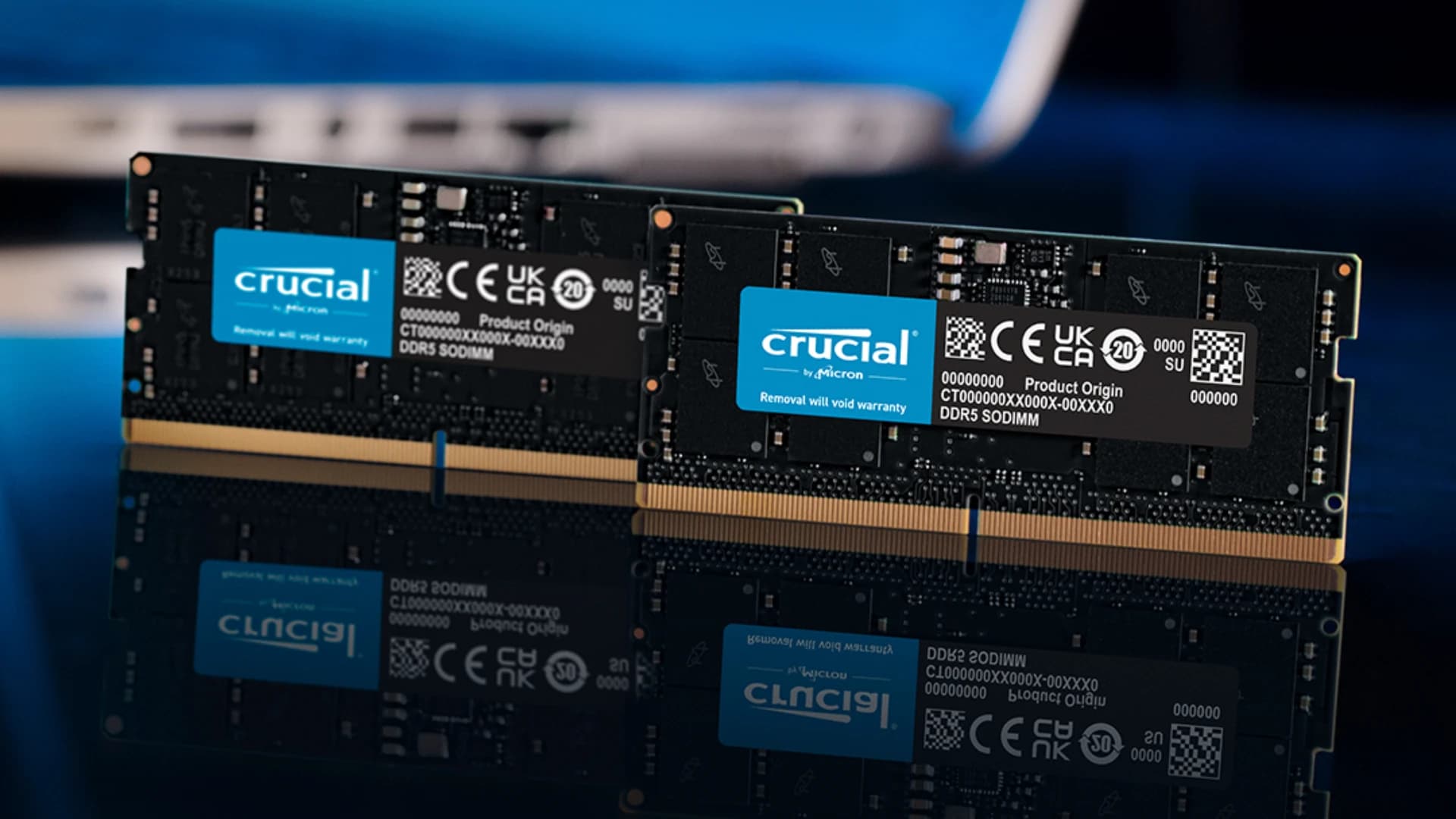
The affordable green circuit boards that have breathed new life into millions of aging laptops and powered countless gaming rigs are heading for the history books. Micron Technology has confirmed it will execute a complete shutdown of its consumer-facing brand, Crucial, effectively ending a 29-year legacy of accessible computer memory.
This is not a case of a failing business, but a casualty of the global artificial intelligence war. As the demand for high-performance memory in data centers explodes, Micron is reallocating every ounce of its manufacturing capacity away from the consumer shelf and toward the lucrative enterprise sector.
For the Kenyan tech ecosystem—from the repair stalls on Nairobi’s River Road to the IT departments of mid-sized SMEs—Crucial has long been the gold standard for reliability and affordability. Its discontinuation marks a significant shift in the hardware supply chain.
Sumit Sadana, Micron’s Chief Business Officer, characterized the move as a strategic necessity rather than a financial retreat. "Micron has made the difficult decision to exit the Crucial consumer business in order to improve supply and support for our larger, strategic customers," Sadana stated, signaling that the company’s future lies in server racks, not home desktops.
The timeline for this transition is aggressive:
The departure of Crucial leaves a vacuum in the mid-range component market. For decades, the brand offered a balance between price and performance that generic 'white label' imports could not match. Local vendors will now likely be forced to pivot to alternatives like Samsung or Kingston, potentially driving up the cost of routine upgrades for Kenyan consumers.
This move underscores a broader industry trend: consumer hardware is becoming a secondary priority for major chipmakers. The profit margins in fueling the AI revolution—which requires massive amounts of High Bandwidth Memory (HBM)—far outstrip those of selling individual SSDs to PC enthusiasts.
While the Crucial logo will linger in existing machines for years to come, its disappearance from shelves represents the end of an era where enterprise-grade reliability was easily accessible to the everyday user.
Keep the conversation in one place—threads here stay linked to the story and in the forums.
Sign in to start a discussion
Start a conversation about this story and keep it linked here.
Other hot threads
E-sports and Gaming Community in Kenya
Active 9 months ago
The Role of Technology in Modern Agriculture (AgriTech)
Active 9 months ago
Popular Recreational Activities Across Counties
Active 9 months ago
Investing in Youth Sports Development Programs
Active 9 months ago



