We're loading the full news article for you. This includes the article content, images, author information, and related articles.
Mexico unveils advanced anti-drone technology to protect 2026 World Cup stadiums from potential cartel attacks, ensuring fan safety across host cities.
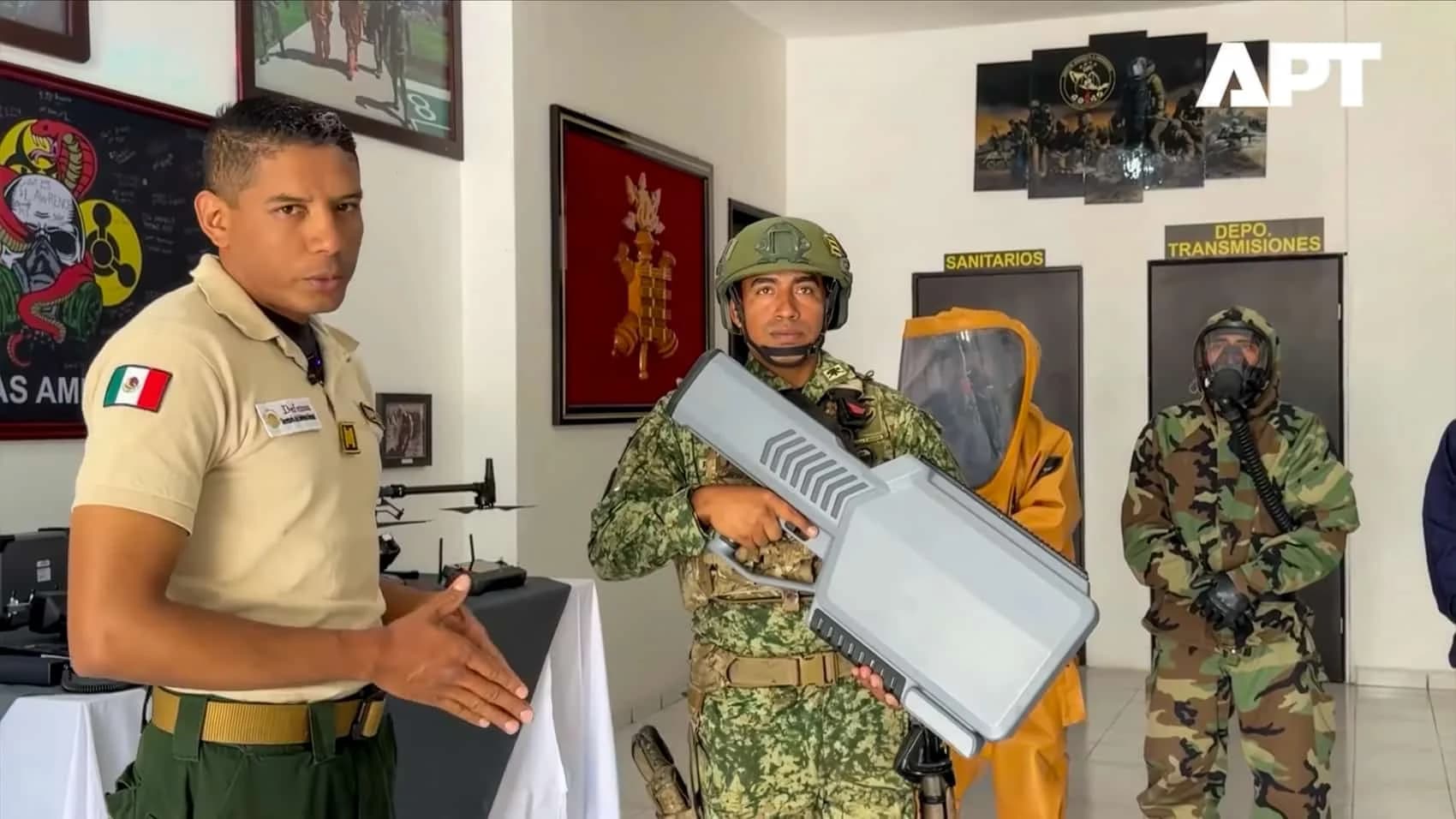
As the countdown to the 2026 World Cup ticks away, the Mexican military is turning its eyes to the skies. In a high-tech demonstration at a military base in Mexico City, defense officials have unveiled a sophisticated anti-drone shield designed to protect stadiums and fans from a modern, airborne terror: weaponized commercial drones.
Mexico, co-hosting the global tournament alongside the United States and Canada, is taking no chances. The threat is not theoretical. Over the past five years, Mexican cartels—specifically the Sinaloa Cartel and the Jalisco New Generation Cartel (CJNG)—have increasingly weaponized consumer drones to drop explosives on rivals and police. This evolution of warfare has forced security agencies to adapt rapidly, ensuring that the football spectacle remains a celebration of sport, not a venue for violence.
The Mexican Army’s strategy relies on a multi-layered electronic defense system. "Drone prevention is going to be focused in the stadiums and wherever there are crowds," explained Army Captain Jose Alfredo Lara. The technology showcased involves two primary components:
While the World Cup venues in Mexico City, Guadalajara, and Monterrey are geographically distant from the primary conflict zones of Michoacán and Guanajuato, the mobility of terror tactics means nowhere is truly safe without vigilance. The cartels’ adoption of "internet-bought" technology has democratized air power for criminal groups, creating a nightmare scenario for event security planners.
The collaboration with US and Canadian security forces has been intense. A trilateral coordination meeting held recently focused specifically on unauthorized aerial systems (UAS). The goal is to harmonize protocols so that a threat detected in Monterrey is handled with the same sophistication as one in Los Angeles or Toronto.
Mexico will host 13 of the tournament's 104 matches, and the pressure to deliver a secure environment is immense. By deploying this electronic armor, Mexico is signaling that it is ready to confront 21st-century threats with 21st-century solutions.
As millions of fans prepare to descend on North America, the message from the Mexican military is clear: the airspace is closed to bad actors. The only things flying in the stadiums this summer will be the balls and the cheers of the crowd.
Keep the conversation in one place—threads here stay linked to the story and in the forums.
Sign in to start a discussion
Start a conversation about this story and keep it linked here.
Other hot threads
E-sports and Gaming Community in Kenya
Active 9 months ago
The Role of Technology in Modern Agriculture (AgriTech)
Active 9 months ago
Popular Recreational Activities Across Counties
Active 9 months ago
Investing in Youth Sports Development Programs
Active 9 months ago