We're loading the full news article for you. This includes the article content, images, author information, and related articles.
Boys in Maua are flocking to cosmetology courses, comprising 50% of the class and breaking gender stereotypes to chase lucrative careers in the beauty industry.
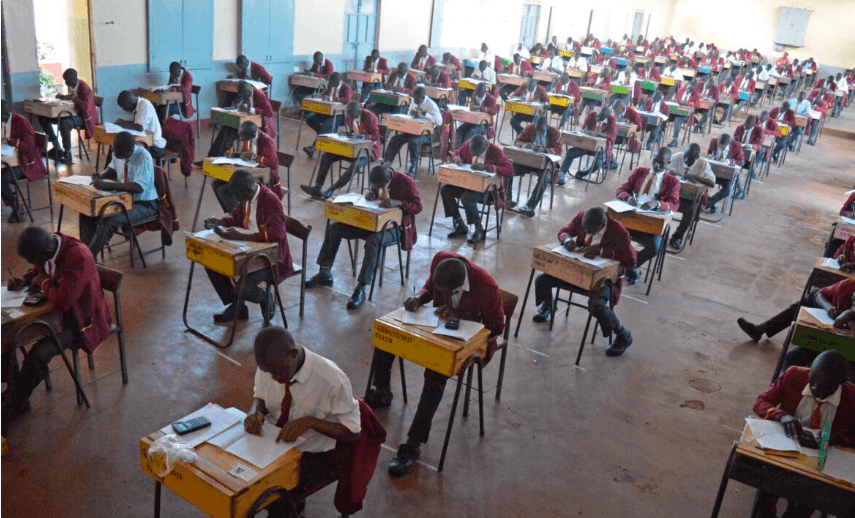
In the heart of Meru County, a quiet revolution is taking place. At the Maua Vocational Training Institute, the cosmetology department—once the exclusive preserve of women—is seeing a surge in male enrollment, with boys now accounting for nearly half of the class. This dramatic shift is challenging deep-seated cultural norms and redefining what "men's work" looks like in rural Kenya.
The sight of young men deftly handling blow-dryers, mixing hair dyes, and performing manicures is becoming commonplace in Maua. Driven by the harsh reality of youth unemployment and the lucrative nature of the beauty industry, these students are ignoring the sneers of traditionalists to secure their economic future. The "So What?" here is economic pragmatism: the beauty industry is booming, and these young men want a slice of the pie.
The institution’s manager has hailed the trend as a breakthrough. "We are seeing a mindset shift," he told reporters. "The boys are realizing that a skill is a skill, and money does not have a gender." The enrollment numbers back him up; the cosmetology class is now a near 50-50 split, a statistic that would have been unthinkable just five years ago.
For students like John (not his real name), the decision to join the class was not easy. He faced ridicule from peers who labeled the course "feminine." But John sees the bigger picture. "My friends laughed, but I see the salons in town making money every day," he says. "I want to own a barbershop and salon. That is a business, not a joke."
This pragmatic approach is reshaping the local economy. Male beauticians are increasingly sought after in major towns for their perceived attention to detail and dedication. By acquiring these skills, the boys of Maua are positioning themselves for self-employment in a country where white-collar jobs are scarce.
However, the success of the program has birthed a new problem: capacity. The institute is struggling to cope with the rising numbers. The manager has issued a plea for support, citing a shortage of modern equipment and training space. "To maintain this momentum, we need investment," he warned. "We cannot train 21st-century professionals with outdated tools."
The story of Maua’s male beauticians is a microcosm of a changing Kenya. It is a story of resilience and adaptation, where the youth are rewriting the rules of engagement to survive. As these young men graduate and open businesses, they are not just styling hair; they are styling a new narrative for the Kenyan boy child.
The message from Maua is loud and clear: in the fight against poverty, no job is off-limits.
Keep the conversation in one place—threads here stay linked to the story and in the forums.
Sign in to start a discussion
Start a conversation about this story and keep it linked here.
Other hot threads
E-sports and Gaming Community in Kenya
Active 10 months ago
The Role of Technology in Modern Agriculture (AgriTech)
Active 10 months ago
Popular Recreational Activities Across Counties
Active 10 months ago
Investing in Youth Sports Development Programs
Active 10 months ago