We're loading the full news article for you. This includes the article content, images, author information, and related articles.
The Independent National Electoral Commission (INEC) has officially fired the starting gun for Nigeria's next democratic cycle, releasing a definitive timetable for the 2027 General Elections.
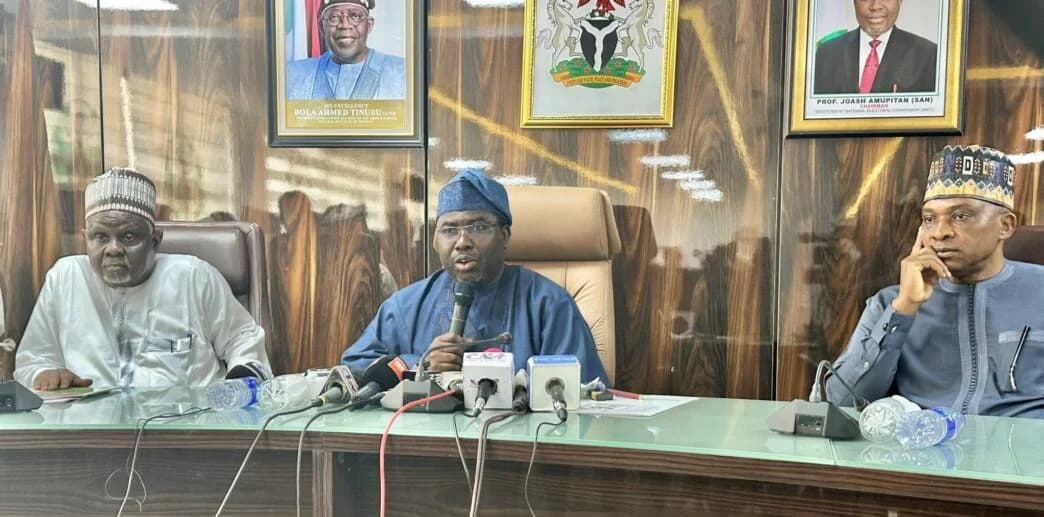
The Independent National Electoral Commission (INEC) has officially fired the starting gun for Nigeria's next democratic cycle, releasing a definitive timetable for the 2027 General Elections. While Civil Society Organizations (CSOs) cheer the clarity, a shadow of legislative uncertainty looms over the process.
In a press briefing that reverberated from Abuja to the political corridors of Lagos and Kano, INEC Chairman Prof. Joash Amupitan laid out the roadmap for the continent's largest democratic exercise. The date is set: Saturday, February 20, 2027, will see millions of Nigerians march to the polls to elect their President and National Assembly members. Two weeks later, on March 6, 2027, the focus will shift to the Governorship and State Assembly elections. This announcement is not merely logistical; it is the heartbeat of the Nigerian republic, setting the rhythm for the next twelve months of intense political maneuvering.
The clarity provided by this timetable is a stabilizing force. In previous cycles, uncertainty regarding dates often fueled speculation and hampered planning for political parties and observers alike. By locking in these dates a full year in advance, strictly adhering to the requirement of a 360-day notice, INEC is attempting to project an image of institutional discipline and readiness. However, beneath the surface of this orderly announcement, tectonic plates of legal and procedural challenges are grinding against each other.
A coalition of prominent Civil Society Organizations (CSOs) has been swift to commend the Commission. Groups such as the International Press Centre (IPC), The Kukah Centre, and the Centre for Media and Society (CEMESO) have hailed the timely release as a victory for due process. For them, a predictable calendar is the bedrock of a fair election. It allows for the training of observers, the mobilization of voter education, and the scrutiny of campaign finance. It removes the "ambush" element from the electoral equation.
However, this applause is tempered by a stern warning. The CSOs have raised a red flag regarding the unresolved status of the Electoral Amendment Bill. The "legal uncertainty" they cite is not a minor bureaucratic hurdle; it is a potential landmine. The delay in passing critical amendments—specifically those regarding the electronic transmission of results and the clarification of tribunal timelines—threatens to undermine the integrity of the very process INEC has just scheduled. Without a watertight legal framework, the 2027 elections risk repeating the disputes and logistical nightmares of the past.
The specter of the 2023 elections still haunts the Nigerian electorate. The promise of the IReV (INEC Result Viewing Portal) and the BVAS (Bimodal Voter Accreditation System) was high, but the execution left room for doubt. The CSOs are acutely aware that technology is only as good as the law that governs it. If the Electoral Amendment Bill does not explicitly mandate the electronic transmission of results as the primary source of truth, the loophole for manual manipulation remains wide open.
Prof. Amupitan’s assurance that the Commission is "ready" must be weighed against these legislative gaps. The CSOs are effectively telling the National Assembly: "The clock is ticking. You cannot play politics with the rulebook while the game is about to start." The integrity of the 2027 polls will depend not just on the date they are held, but on the laws that guide them.
For West Africa, a stable Nigerian election is non-negotiable. As the region grapples with a resurgence of coups and democratic backsliding in the Sahel, Nigeria remains the anchor. A flawed election in 2027 would send shockwaves across the Economic Community of West African States (ECOWAS). Conversely, a transparent, credible process would reinvigorate the democratic narrative on the continent. The timeline released today gives the region a countdown to either a triumph of will or a test of stability.
As the political machinery gears up—campaign funds are raised, alliances formed, and manifestos drafted—the role of the citizen becomes paramount. The timetable is out. The excuses for apathy are removing themselves one by one. But the warning from the CSOs is clear: do not take the process for granted. The existence of a date does not guarantee the quality of the day.
The next 360 days will be a crucible for Nigeria. The challenge now shifts from INEC to the lawmakers. Will they pass the Amendment Bill in time to give the electoral umpire the teeth it needs? Or will the 2027 elections be fought on the shaky ground of ambiguous laws? The date is fixed, but the destiny of the election remains to be written.
Keep the conversation in one place—threads here stay linked to the story and in the forums.
Sign in to start a discussion
Start a conversation about this story and keep it linked here.
Other hot threads
E-sports and Gaming Community in Kenya
Active 9 months ago
The Role of Technology in Modern Agriculture (AgriTech)
Active 9 months ago
Popular Recreational Activities Across Counties
Active 9 months ago
Investing in Youth Sports Development Programs
Active 9 months ago



