We're loading the full news article for you. This includes the article content, images, author information, and related articles.
The death of the legendary eight-year-old lion, confirmed by KWS, triggers a power vacuum in the Maasai Mara, leaving his prides vulnerable and highlighting the brutal, natural cycle of dominance critical to Kenya's flagship ecosystem.
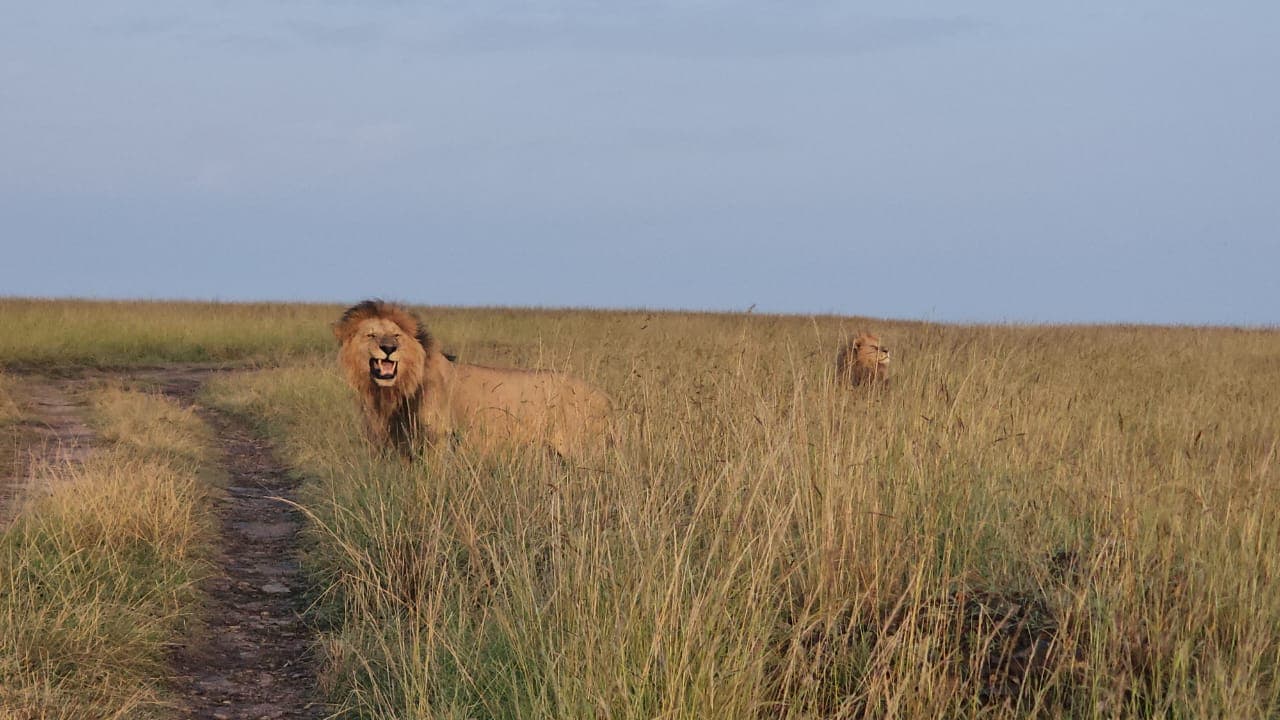
NAIROBI, Kenya – The Maasai Mara National Reserve has lost one of its most formidable and recognized lions, Oloshipa, an eight-year-old male who co-dominated the Rongai and Fig Tree prides. His death, resulting from a fierce territorial battle, was officially confirmed by the Kenya Wildlife Service (KWS) on Thursday, October 23, 2025, marking a pivotal moment in the shifting lion dynamics of the world-renowned ecosystem.
In a statement, KWS confirmed that Oloshipa’s remains were discovered at the Double Crossing area within the reserve. The carcass, though partially scavenged, showed clear evidence of fatal injuries sustained in a fight with rival males, with no signs of human or livestock interference. “This is a reminder of nature’s raw and untamed reality,” the KWS statement read, emphasizing the natural cause of death. The Narok County government later reiterated this, dispelling earlier unverified reports of poisoning and condemning the spread of misinformation.
The battle that led to his demise underscores the relentless competition for territory and breeding rights among male lions in the Mara. KWS initially identified the rivals as Olepolos and Osapuk, dominant males of the Topi pride. Further reports from conservation blogs and local guide networks identified the aggressors as the ‘Salas Boys,’ a powerful coalition that has been challenging established territories. Olepolos and Osapuk are key members of this coalition, confirming the identity of the victors.
Born in 2017, Oloshipa, alongside his brother Oloimina, formed a formidable coalition that brought years of stability to the Rongai and Fig Tree prides. This leadership ensured the protection of lionesses and the successful rearing of multiple generations of cubs. His commanding presence and majestic appearance made him one of the most photographed and sought-after lions by tourists and wildlife documentarians, contributing significantly to the Mara’s appeal as a premier safari destination.
Local guides and conservationists, who often know individual lions by name and history, described his death as the end of an era. Tributes on social media lamented the loss of a “warrior” who lived and died defending his territory and legacy. His story is often compared to other legendary Mara lions like Lorkulup and Scarface, whose lives and deaths became part of the reserve's folklore.
Oloshipa’s death creates a dangerous power vacuum. His brother, Oloimina, now faces the immense challenge of defending two prides alone against encroaching rival coalitions like the Salas Boys and the Black Rock Boys. The survival of a single male against a coalition is highly unlikely in the competitive landscape of the Mara.
The most immediate and grave concern is the fate of Oloshipa’s cubs. When new males take over a pride, they almost invariably commit infanticide, killing cubs sired by their predecessors. This brutal practice serves a biological imperative: it brings the lionesses back into estrus, allowing the new males to quickly sire their own offspring and secure their genetic lineage. The lionesses of the Rongai and Fig Tree prides now face the grim prospect of losing their young, a devastating but natural consequence of the pride takeover cycle.
The Maasai Mara ecosystem supports one of the highest densities of lions in Africa, with estimates ranging from 500 to 900 individuals. While the death of a single lion, even a dominant one, is a natural event, it occurs within a broader context of significant threats to the species. Human-wildlife conflict, habitat loss due to expanding settlements, and poaching remain critical challenges for lion conservation across Kenya.
KWS and conservation groups like the Mara Predator Conservation Programme work to mitigate these conflicts and monitor the lion population. In this instance, the confirmation that Oloshipa died in a natural battle, free from human interference, is seen by conservationists as a sign of a healthy, functioning ecosystem where natural selection prevails. “While many mourn the passing of this magnificent lion, it's important to remember that conservation is not about preventing every death – it's about maintaining the natural balance that sustains life,” KWS noted.
Oloshipa was last seen alive on the evening of Tuesday, September 23, 2025, in a tense standoff with rivals. His fall, while a loss for those who followed his life, is a testament to the wild, unscripted drama of the Maasai Mara, where the reign of one king ends only for the saga of the next to begin.
Keep the conversation in one place—threads here stay linked to the story and in the forums.
Sign in to start a discussion
Start a conversation about this story and keep it linked here.
Other hot threads
E-sports and Gaming Community in Kenya
Active 10 months ago
The Role of Technology in Modern Agriculture (AgriTech)
Active 10 months ago
Popular Recreational Activities Across Counties
Active 10 months ago
Investing in Youth Sports Development Programs
Active 10 months ago



