We're loading the full news article for you. This includes the article content, images, author information, and related articles.
Mali imposes strict fuel rationing as an al-Qaeda blockade strangles the economy, pushing petrol prices to KSh 650 per litre.
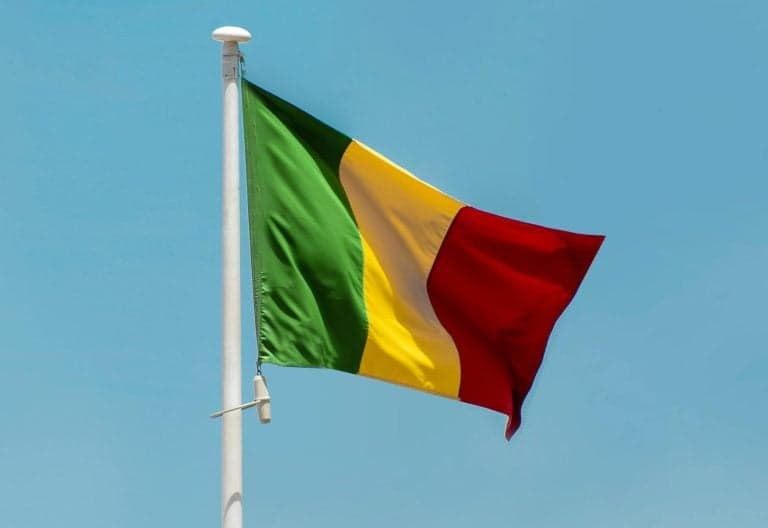
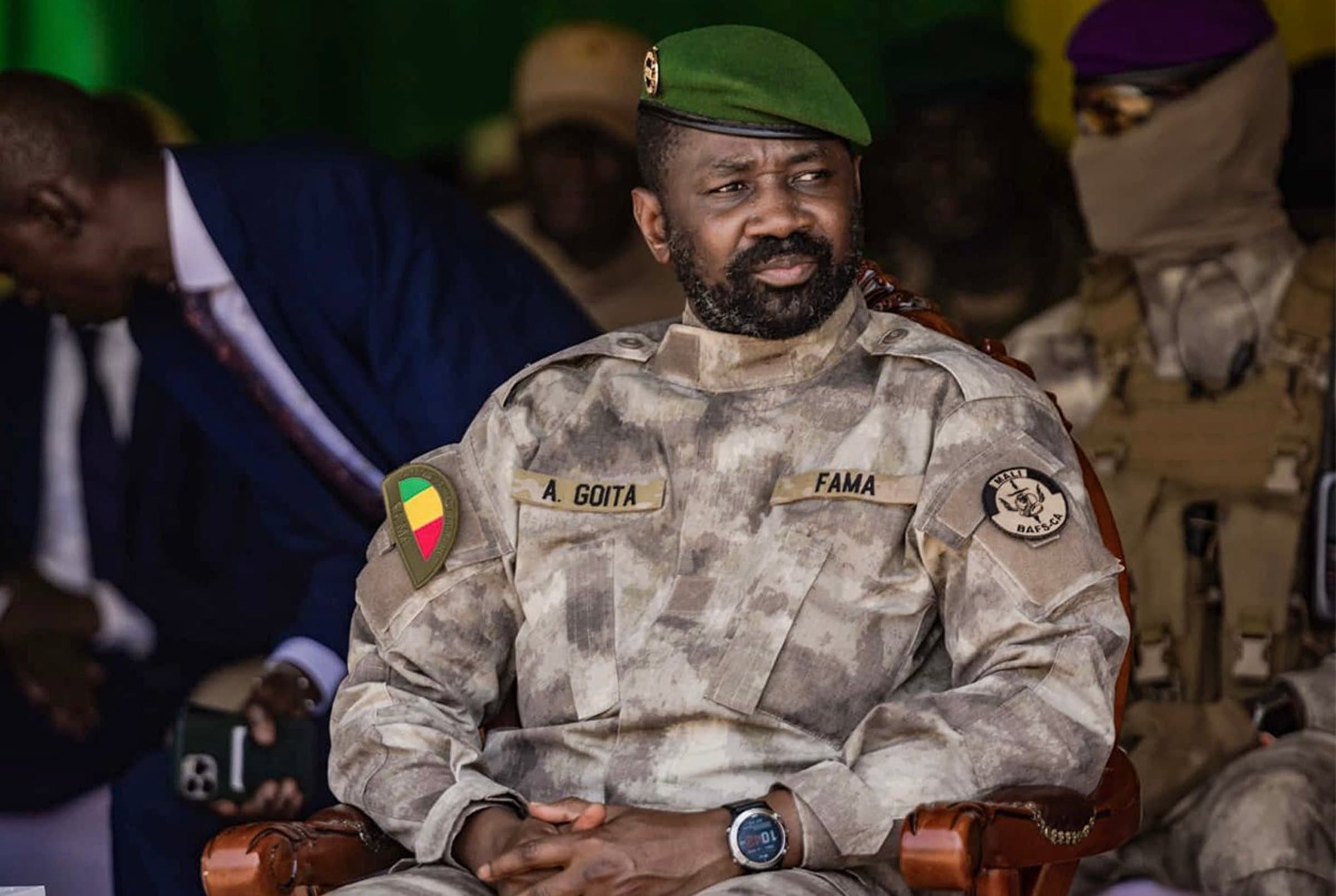
The military government of Mali has officially bowed to pressure, instituting draconian fuel rationing measures as the capital, Bamako, runs dry. This desperate move confirms that the jihadist blockade is no longer just a security threat—it is an existential economic chokehold.
For months, the al-Qaeda-linked Jama'at Nusrat al-Islam wal-Muslimin (JNIM) has targeted the supply arteries of this landlocked nation, but the situation has now tipped into a full-blown catastrophe. The rationing edict is the government's admission that they can no longer guarantee the basic energy needs of their citizens, a scenario that sends shivers down the spine of any nation reliant on imported fuel, including Kenya.
Residents of Bamako are waking up to a new, grim reality. Service stations are dry, and the black market price for a litre of petrol has skyrocketed to over 3,000 CFA francs (approx. KSh 650). To put that in perspective, imagine paying KSh 700 for a litre of super petrol in Nairobi; the economy would grind to a halt within days. That is exactly what is happening in Mali.
The blockade is strategic and ruthless. By cutting off the transport corridors from Senegal and Ivory Coast, the militants are effectively laying siege to the capital without needing to enter it. "We are dying slowly," said Moussa Traoré, a taxi driver in Bamako, via a verified social media post. "No fuel means no work, no food, no life."
The crisis in Mali is a cautionary tale for the East African Community. It highlights the fragility of supply chains in the face of asymmetric warfare. Just as Al-Shabaab has attempted to disrupt logistics in Lamu and Mandera, the JNIM is proving that you don't need to capture a city to conquer it—you just need to starve it of energy.
Security analysts in Nairobi warn that the "Mali Model" could inspire copycat tactics across the continent. "If a non-state actor can paralyze a national capital by controlling the highways, it changes the entire security calculus," notes a report by a regional think tank.
Under the new rules, private vehicles are limited to 20 litres per week, while public transport is capped at 30 litres. Priority is given to security forces and emergency services. However, enforcement has already led to chaotic scenes at pumps, with reports of fistfights and soldiers firing warning shots to disperse angry crowds.
As Mali descends further into this energy abyss, the world watches to see if the junta can restore order or if the tanks will run dry before the guns do.
Keep the conversation in one place—threads here stay linked to the story and in the forums.
Sign in to start a discussion
Start a conversation about this story and keep it linked here.
Other hot threads
E-sports and Gaming Community in Kenya
Active 10 months ago
The Role of Technology in Modern Agriculture (AgriTech)
Active 10 months ago
Popular Recreational Activities Across Counties
Active 10 months ago
Investing in Youth Sports Development Programs
Active 10 months ago
Key figures and persons of interest featured in this article