We're loading the full news article for you. This includes the article content, images, author information, and related articles.
Ghana sees a sharp drop in malaria deaths due to new vaccines, but US aid cuts threaten to reverse progress and could lead to 19,000 preventable child deaths across Africa.
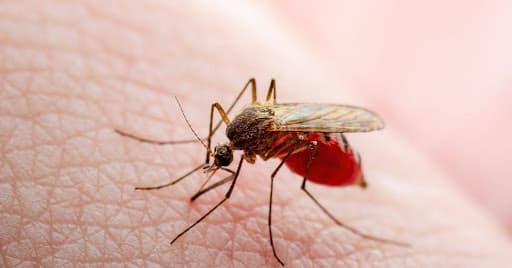
A cruel paradox is unfolding in the fight against one of Africa’s oldest killers. Just as Ghana registers a historic drop in child malaria deaths thanks to the rollout of new vaccines, a looming funding crisis threatens to undo the progress. The success of the R21/Matrix-M and RTS,S vaccines has been hailed as a "gamechanger," but slashed donor budgets from the U.S. and other Western powers could leave thousands of children unprotected.
Data from Ghana’s health service shows a sharp decline in pediatric mortality in regions where the vaccines have been deployed alongside traditional tools like bed nets. The Oxford-developed R21 vaccine, manufactured by the Serum Institute of India, has proven both effective and scalable. Yet, the Vaccine Alliance (Gavi) has issued a stark warning: without sustained funding, the rollout cannot reach every child. The math is terrifyingly simple—Gavi estimates that the current trajectory of aid cuts could result in an additional 19,000 child deaths across the continent.
The news from Ghana is being watched with deep anxiety in Kisumu and Homa Bay, Kenya, where malaria remains a primary cause of death for children under five. Kenya, like Ghana, has been a pilot country for these vaccines. The prospect of U.S. funding drying up—linked to the broader withdrawal from global health commitments—means that the expansion of these life-saving shots into other endemic counties is now in jeopardy.
"We finally have the tool we have been dreaming of for thirty years," says Dr. Peter Ochieng, a malaria researcher working in the Lake Victoria basin. "To have it within reach and then snatch it away because of budget cuts in Washington or London is a moral failure. We are trading children's lives for balance sheets."
The reduction in donor support is not just a future risk; it is happening now. Gavi has signaled that it may have to ration doses or delay introductions in new countries. For the mother in rural Ghana or western Kenya, this geopolitical shift translates to a life-or-death lottery for her newborn.
The scientific triumph of the malaria vaccine proves that humanity can solve its toughest problems. The question now is whether it has the political will to pay for the solution. If the funding gap is not closed, we will witness the tragedy of 19,000 children dying not because we couldn't save them, but because we chose not to.
Keep the conversation in one place—threads here stay linked to the story and in the forums.
Sign in to start a discussion
Start a conversation about this story and keep it linked here.
Other hot threads
E-sports and Gaming Community in Kenya
Active 10 months ago
Popular Recreational Activities Across Counties
Active 10 months ago
The Role of Technology in Modern Agriculture (AgriTech)
Active 10 months ago
Investing in Youth Sports Development Programs
Active 10 months ago



