We're loading the full news article for you. This includes the article content, images, author information, and related articles.
**The government's ambitious digital identity project, Maisha Namba, is ensnared in legal challenges and widespread public concern over data privacy, exclusion of marginalized groups, and a lack of public consultation.**
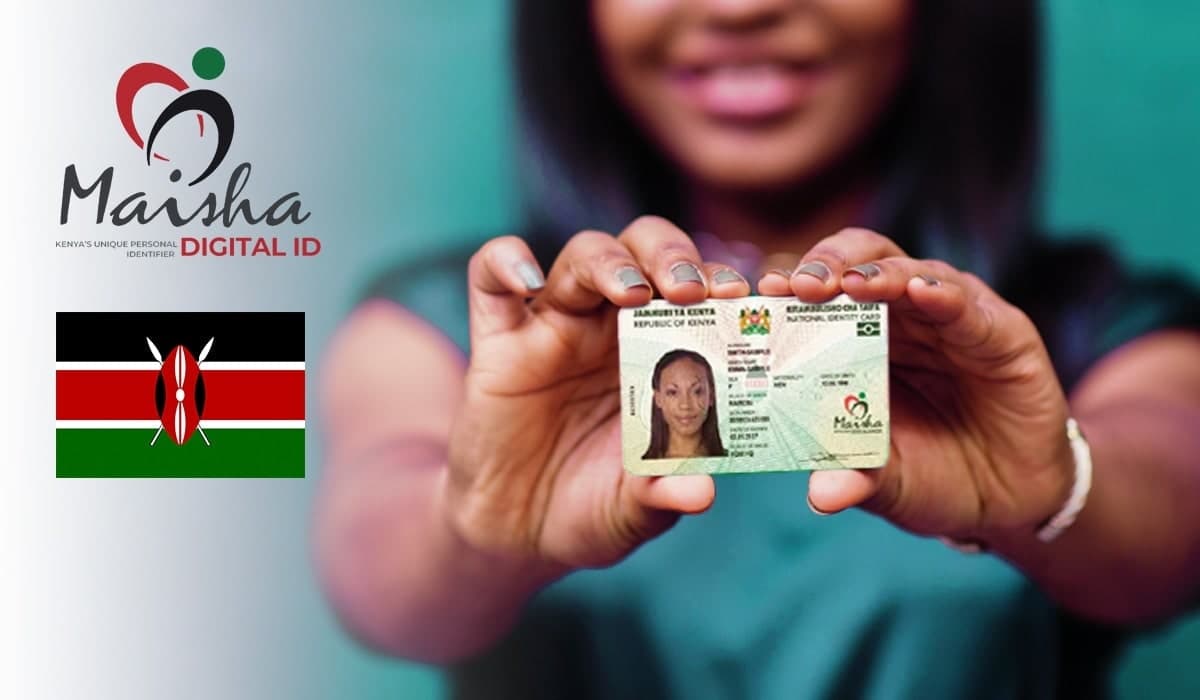
Kenya's latest attempt at a national digital identity system, the Maisha Namba, is facing a turbulent rollout marked by court injunctions, privacy concerns, and fears it could exclude millions of citizens from essential services. The project, intended to streamline government services by assigning every citizen a lifelong Unique Personal Identifier (UPI), has instead ignited a fierce national debate about the future of privacy and citizenship in a digital age.
The core of the issue lies in the tension between the government's push for modernization and the public's deep-seated mistrust, fueled by the legacy of the failed Huduma Namba project. Civil society groups argue that the Maisha Namba system was rolled out without adequate public participation or a comprehensive legal framework to protect citizens' data, prompting the High Court to repeatedly intervene.
Legal challenges have plagued the Maisha Namba since its inception. The High Court has issued temporary suspensions on the rollout, citing the government's failure to conduct a Data Protection Impact Assessment as required by law. Justice Lawrence Mugambi noted the significant risk of irreversible damage if the system were later found to be unconstitutional. Although a court order was lifted in August 2024 to prevent a halt in essential ID services, the fundamental constitutional questions remain before the courts.
Human rights organizations like Haki na Sheria Initiative and the Katiba Institute have been at the forefront of these legal battles, arguing the system could disenfranchise entire communities. Their petitions highlight several critical concerns:
Despite the backlash, the government maintains that Maisha Namba is essential for modernizing Kenya. Officials argue the system will curb fraud, improve access to services, and enhance efficiency. The project, which replaces the costly Sh10 billion Huduma Namba, has an initial budget of Sh1 billion ($6.8 million). The State Department for Immigration and Citizen Services has pushed forward, clearing a backlog of over 600,000 ID cards in 2024 and continuing to issue Maisha Cards to new applicants and those seeking replacements.
Immigration Principal Secretary Julius Bitok has emphasized that the new system will utilize existing biometric data, avoiding the mandatory re-registration that plagued its predecessor. The government also plans to invest heavily in the digital infrastructure, allocating KES 6.88 billion (approx. $53.3 million) for the 2024/2025 fiscal year to issue millions of digital IDs, passports, and birth certificates.
For the average Kenyan, the debate is not abstract. It touches on the fundamental right to be recognized by the state, to access healthcare, education, and to put food on the table. The fear is that a flawed digital system could erect new barriers, locking people out of the formal economy and essential services. As legal battles continue, the future of Maisha Namba hangs in the balance, caught between a vision of digital efficiency and the urgent need to protect the rights and privacy of every citizen.
Keep the conversation in one place—threads here stay linked to the story and in the forums.
Sign in to start a discussion
Start a conversation about this story and keep it linked here.
Other hot threads
E-sports and Gaming Community in Kenya
Active 9 months ago
The Role of Technology in Modern Agriculture (AgriTech)
Active 9 months ago
Popular Recreational Activities Across Counties
Active 9 months ago
Investing in Youth Sports Development Programs
Active 9 months ago