We're loading the full news article for you. This includes the article content, images, author information, and related articles.
Madagascar’s military leader dissolves government unexpectedly, dismissing the prime minister and the entire cabinet, according to a statement from his spokesperson.
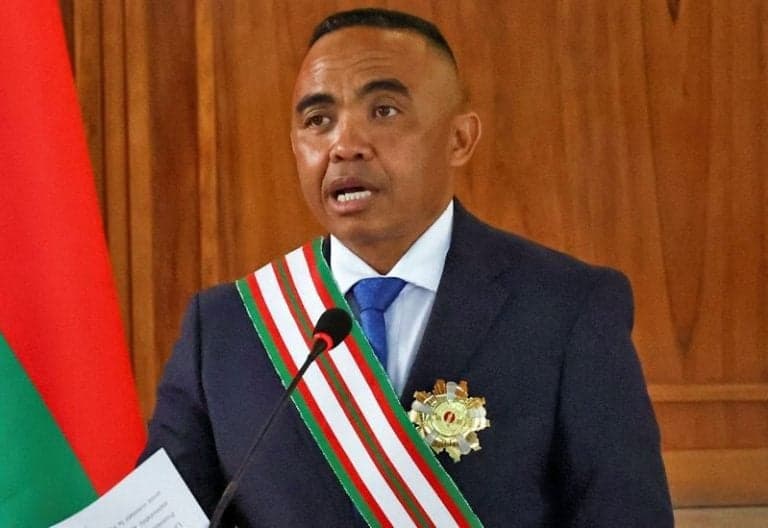
The political landscape of Madagascar shifted violently on Monday as the nation’s military leader, Colonel Michael Randrianirina, executed a sweeping dissolution of the government. In a move that caught international observers and local political analysts off guard, the interim president dismissed Prime Minister Herintsalama Rajaonarivelo and the entirety of his cabinet, plunging the Indian Ocean island nation into a new period of acute uncertainty.
This drastic restructuring comes just five months after the military seized power in October 2025, following weeks of civil unrest that ultimately forced the previous administration of Andry Rajoelina into exile. The sudden dismissal, confirmed by the presidency’s communications director, Harry Laurent Rahajason, serves as a stark acknowledgment that the transitional government has failed to address the systemic crises—ranging from crumbling infrastructure to mounting international diplomatic isolation—that have plagued the country since the military takeover.
Colonel Randrianirina’s decision to terminate his own appointed cabinet signals a deepening rift within the nation’s governance structure. Since assuming control last October, the Colonel has struggled to balance his promises of democratic restoration with the practical realities of managing a nation in deep economic distress. The appointment of Rajaonarivelo, a businessman brought in to bridge the gap between military authority and the civilian private sector, was initially hailed as a compromise, yet it quickly became a liability as public frustration mounted.
The move to dissolve the government effectively centralizes power directly within the presidency and the military hierarchy. According to the presidential communique, permanent secretaries are to manage the routine affairs of the ministries until a new cabinet is formed. This centralization, however, carries significant risks. By removing the civilian buffer of the prime minister’s office, Randrianirina has staked his remaining legitimacy entirely on his own performance—a gamble that leaves him with no political shield against the growing discontent of a populace weary of broken promises.
The catalyst for this latest political earthquake is undoubtedly the persistent pressure from youth-led activist movements, colloquially known as Gen Z and Gen Y. These groups, which played a pivotal role in the 2025 protests that toppled the Rajoelina administration, have grown increasingly vocal in their condemnation of the current military-led transition. Their demands, initially centered on basic service delivery such as electricity and water, have evolved into a sophisticated call for comprehensive political reform and genuine inclusivity.
The activists recently issued a 72-hour ultimatum demanding the Colonel’s resignation, citing chronic mismanagement and a lack of transparency in the government’s operations. For many in the capital, Antananarivo, the dismissal of the cabinet is seen as a belated, if insufficient, response to these demands. However, the movement remains skeptical. There is a palpable fear that the dissolution is merely a tactical delay, designed to stifle dissent rather than address the root causes of the nation’s poverty, where annual GDP per capita remains among the lowest in the region, often hovering below USD 500 (approximately KES 65,000).
Beyond the domestic fallout, Madagascar’s military leadership faces a closing window of international tolerance. The Southern African Development Community (SADC) had issued a stern directive in December 2025, requiring the military authorities to submit a clear, actionable roadmap for the restoration of democratic order, including a firm schedule for fresh elections by the end of February 2026. That deadline has passed, and the silence from the military council has drawn the ire of regional neighbors, including Kenya and other members of the African Union Peace and Security Council.
For Kenyan policymakers and the broader East African community, the instability in Madagascar is more than a distant political drama. It represents a threat to regional maritime security and economic cooperation within the Indian Ocean basin. Instability in a regional hub can disrupt trade lanes and exacerbate refugee or migration pressures, making the need for a stable, recognized government in Antananarivo a matter of regional security. Diplomatic sources suggest that regional partners are now actively considering harsher sanctions should the military authorities continue to bypass constitutional protocols.
The timing of this crisis is particularly dire given the environmental catastrophes of the last quarter. The passage of Cyclone Gezani in February 2026 left a trail of destruction that crippled agriculture, displaced thousands, and further strained an already fragile healthcare system. Estimates suggest the cyclone caused damages exceeding KES 15 billion (approximately USD 115 million), a sum the current administration is ill-equipped to manage without sustained international support.
As Colonel Randrianirina prepares to name a new prime minister, the core of the political crisis remains unresolved. He is caught between the demand of the streets for radical change and the mandate of the international community for a return to civilian-led democratic governance. If the new government is perceived as another iteration of military-controlled bureaucracy, the country may face renewed, potentially violent protests. The future of Madagascar rests on whether this administrative reset provides a pathway to genuine democracy or simply delays the inevitable reckoning of a regime losing its grip on the nation it seeks to lead.
Keep the conversation in one place—threads here stay linked to the story and in the forums.
Sign in to start a discussion
Start a conversation about this story and keep it linked here.
Other hot threads
E-sports and Gaming Community in Kenya
Active 9 months ago
The Role of Technology in Modern Agriculture (AgriTech)
Active 9 months ago
Popular Recreational Activities Across Counties
Active 9 months ago
Investing in Youth Sports Development Programs
Active 9 months ago



