We're loading the full news article for you. This includes the article content, images, author information, and related articles.
As the Law Society of Kenya prepares for its most consequential election, a generational divide threatens to redefine the future of legal practice and advocacy in the country.

The race for the Law Society of Kenya presidency has tightened into a fierce contest between youthful disruption and seasoned establishment stewardship. With the February polls looming, the choice facing 20,000 lawyers goes beyond leadership styles; it is a referendum on the society’s soul, its role in checking state power, and its relevance to a struggling young bar.
This election is not merely a ritual of democracy; it is a battle for the very identity of Kenya’s legal fraternity. On one side stands the allure of digital innovation and radical welfare reforms, championed by a younger generation tired of the status quo. On the other is the steady, experienced hand of the senior counsel, promising to restore dignity and professional gravitas to a body that has seen its fair share of public infighting.
Three main contenders have emerged, each embodying a distinct vision for the society. Charles Kanjama, a senior counsel with deep roots in the profession, is campaigning on a platform of "experience and stability." His message resonates with the older guard who fear that the LSK is losing its prestige and influence in national discourse.
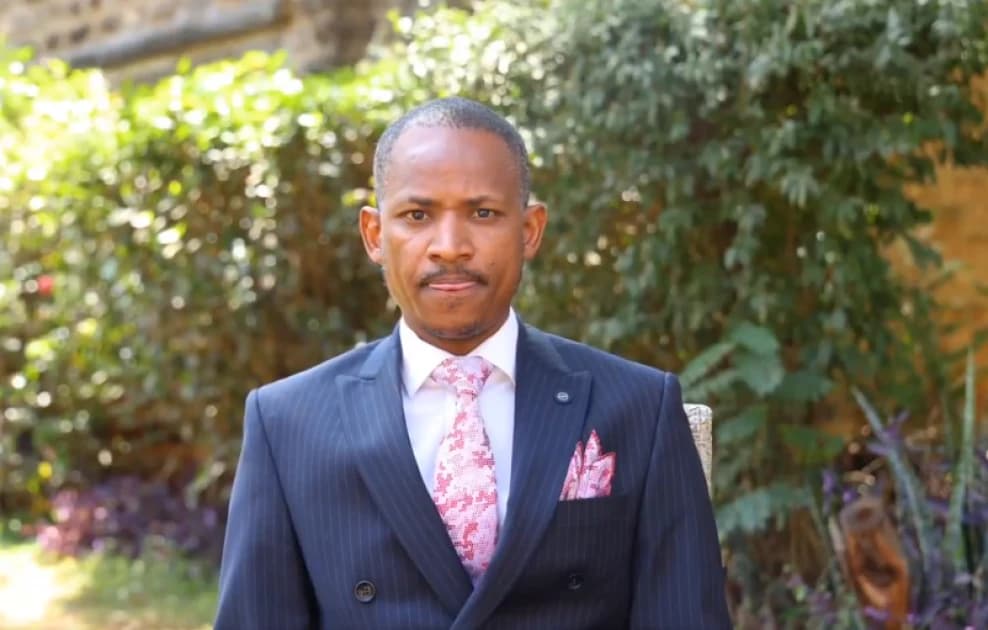
In stark contrast, Mwaura Kabata and Peter Wanyama are courting the youth vote with promises that directly address the bread-and-butter issues facing junior advocates. Kabata’s manifesto is particularly radical, proposing "male safe spaces" to address mental health and an "e-wallet" system to ease the financial burden of practice. These are not just policy proposals; they are cries for help from a demographic that feels abandoned.
The campaign trail has been electric, characterized by vigorous debates on social media and heated town halls. The younger candidates argue that the LSK has become an elitist club, disconnected from the realities of the modern advocate. They point to the "broken harassment policy" as evidence of a systemic failure to protect the most vulnerable members of the profession.
The "male safe spaces" proposal, while controversial to some, has opened a necessary conversation about the mental health crisis silently ravaging the legal community. It is a bold acknowledgment that the adversarial nature of the law often comes at a steep personal cost. Meanwhile, the promise of e-wallets suggests a future where the LSK is more responsive, efficient, and aligned with the digital economy.
Looming over this election is the ever-present shadow of the state. Critics argue that a weak LSK is a gift to the executive, allowing the government to trample on the rule of law without meaningful resistance. The incoming president will not only have to unite a fractured society but also stand as the country’s primary defender of constitutionalism.
As the lawyers head to the ballot, the question remains: will they choose the safety of experience or the risky promise of a new dawn? "This is not just an election; it is a defining moment for our profession," one senior advocate noted. "We are deciding whether to remain a guild of the past or become a force for the future."
Keep the conversation in one place—threads here stay linked to the story and in the forums.
Sign in to start a discussion
Start a conversation about this story and keep it linked here.
Other hot threads
E-sports and Gaming Community in Kenya
Active 9 months ago
The Role of Technology in Modern Agriculture (AgriTech)
Active 9 months ago
Popular Recreational Activities Across Counties
Active 9 months ago
Investing in Youth Sports Development Programs
Active 9 months ago
Key figures and persons of interest featured in this article