We're loading the full news article for you. This includes the article content, images, author information, and related articles.
PIDG anchors Kenya’s logistics future with a Sh1.95bn investment in ALP iREIT, validating the shift to grade-A warehousing.
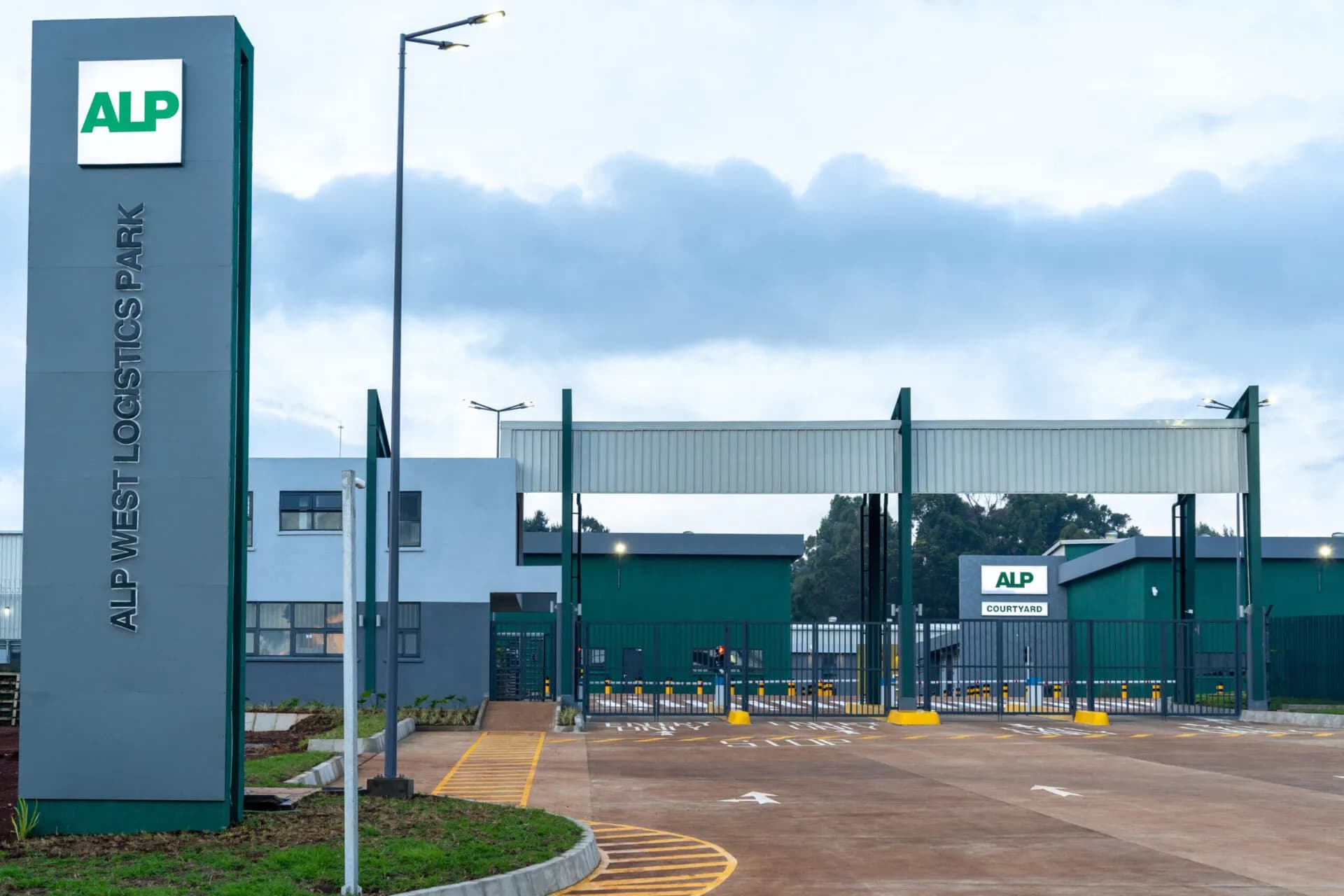
The Private Infrastructure Development Group (PIDG) has officially anchored Kenya’s logistics future with a massive Sh1.95 billion ($15 million) investment into the Africa Logistics Properties (ALP) iREIT, signalling a maturing industrial market.
This capital injection, executed through PIDG’s development arm InfraCo Africa, does more than just balance the books; it validates Kenya’s pivot towards becoming the definitive logistics gateway for East Africa. By backing the region’s first industrial Income Real Estate Investment Trust (iREIT), PIDG is effectively underwriting the "godowns of the future"—modern, grade-A warehousing that promises to replace the dusty, inefficient storage units that have long choked regional supply chains.
For decades, Kenya’s industrial sector relied on informal, low-spec warehousing that bled value through inefficiency. The ALP iREIT, approved by the Capital Markets Authority (CMA) in December 2025, represents a seismic shift. The funds will specifically target:
"This is not just about concrete and steel; it is about the velocity of trade," ALP CEO Raghav Gandhi remarked during the signing. "With PIDG as an anchor investor, we are unlocking a new asset class for Kenyan pension funds and institutional investors who have been starved of stable, dollar-denominated yields."
The timing is critical. As the African Continental Free Trade Area (AfCFTA) gains traction, Nairobi is racing against Dar es Salaam and Addis Ababa to retain its status as the regional distribution hub. The Sh1.95 billion war chest allows ALP to exit the "build-and-sell" trap and move into a perpetual income model, ensuring long-term maintenance and expansion of critical infrastructure.
Claire Jarratt, PIDG’s Head of Investment Management, emphasized the developmental angle: "We are proving that industrial real estate in Africa is a bankable, investment-grade asset. This clears the path for local pension funds to repatriate capital into tangible Kenyan assets rather than offshore equities."
While automated warehouses are often criticized for low job density compared to manufacturing plants, the ecosystem they support tells a different story. Efficient logistics lower the cost of goods for the Wanjiku at the kiosk. When a distributor at Tatu City can move goods 30% faster, the markup on cooking oil and maize flour in Ruiru stabilizes.
However, challenges remain. The occupancy rates of these high-end parks will be the ultimate litmus test in an economy where many SMEs still opt for cheaper, substandard storage. But for now, the heavyweights have placed their bets. Kenya is no longer just building roads; it is building the engines that run on them.
Keep the conversation in one place—threads here stay linked to the story and in the forums.
Sign in to start a discussion
Start a conversation about this story and keep it linked here.
Other hot threads
E-sports and Gaming Community in Kenya
Active 9 months ago
The Role of Technology in Modern Agriculture (AgriTech)
Active 9 months ago
Popular Recreational Activities Across Counties
Active 9 months ago
Investing in Youth Sports Development Programs
Active 9 months ago