We're loading the full news article for you. This includes the article content, images, author information, and related articles.
For Kenyan fans, the spotlight will once again be on the homegrown crews hoping to shine against the world's elite.
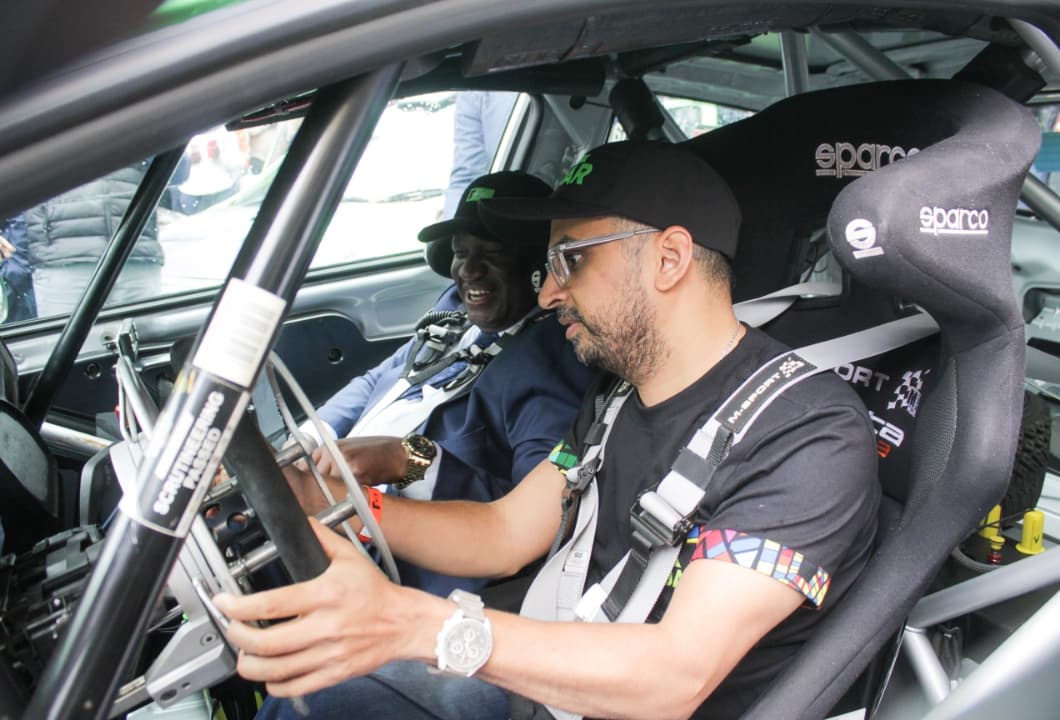
As the World Rally Championship (WRC) descends on Naivasha for its third round, the narrative is not just about the factory giants of Toyota and Hyundai. It is about the grit of Kenya’s homegrown warriors who are preparing to battle the "fesh-fesh" dust, unpredictable Rift Valley storms, and the crushing weight of expectation.
The machinery has arrived, the service park is buzzing, and the air in Naivasha is already thick with the scent of high-octane fuel and anticipation.
When the flag drops on March 12 for the 2026 WRC Safari Rally, 46 crews will launch into the wilderness. But for the tens of thousands of Kenyan fans lining the routes from Soysambu to Sleeping Warrior, the real drama lies not in the podium fight between Sébastien Ogier and Elfyn Evans, but in the survival stories of the local heroes. In a sport increasingly dominated by multi-million dollar factory teams, the Kenyan contingent represents the soul of the Safari—a throwback to an era when endurance, not just sprint speed, determined the victor.
Leading the local charge is the indomitable Karan Patel. Piloting a Škoda Fabia Rally2 with his navigator Tauseef Khan, Patel is not merely making up the numbers. Having dominated the African Rally Championship (ARC) landscape, his objective is clear: to be the fastest African driver and to embarrass as many international WRC2 contenders as possible. His approach combines surgical precision with the raw aggression required to conquer the rocky outcrops of Kedong.
Right on his heels is the veteran Carl "Flash" Tundo. A five-time winner of the Safari Rally (during its non-WRC years), Tundo brings a wealth of experience that few can match. Partnered with Tim Jessop in a Ford Fiesta Rally2, Tundo knows that the Safari is a war of attrition. While the younger drivers might chase stage times, Tundo chases the finish line, knowing that in Kenya, to finish first, you must first finish.
The 2026 entry list also features a wave of rising talent aiming to carve their names into history:
The gap between the hybrid-powered Rally1 beasts and the local Rally2 machinery is mechanical, but the gap in bravery is non-existent. The factory teams—Toyota Gazoo Racing, Hyundai Shell Mobis, and M-Sport Ford—operate with budgets that rival the GDP of small island nations. They bring meteorologists, gravel crews, and endless spare parts. The local privateers bring passion, bush mechanics, and a prayer.
Yet, the Safari Rally is the great equalizer. A jagged rock in the Sleeping Warrior stage does not care about the badge on your firesuit. In 2024 and 2025, we saw factory cars crumble while local drivers, versed in the brutal language of the Kenyan terrain, limped home to glory. This year, the threat of rain looms large, promising to turn the fine volcanic dust into "black ice" mud that renders horsepower useless and rewards delicate throttle control.
Beyond the adrenaline, the presence of a robust local entry list is a critical economic signal. Rallying is an expensive sport. The ability of drivers like Aakif Virani and Samman Singh Vohra to field competitive Rally2 cars signals resilience in the Kenyan corporate sponsorship market. Brands are recognizing that the WRC Safari is not just a sporting event; it is a global billboard broadcasting to over 150 countries.
For the local drivers, the 2026 edition is also a fight for relevance. With the FIA constantly reviewing the global calendar, strong local participation is a key metric in keeping the Safari Rally in Kenya. Every local car that crosses the finish ramp strengthens the case for Africa’s inclusion in the World Championship.
"The Safari is not a race; it is a journey," Tundo has famously said. For the local drivers, next month is the ultimate test of character. They are fighting for the WRC2 glory, for ARC points, and for the pride of a nation that considers rallying its second religion after athletics.
As the engines fire up next month, keep your eyes on the split times of the world champions, but keep your heart with the boys from Nairobi, Nakuru, and Mombasa. They are the ones who will be driving with the spirit of the original Safari.
Keep the conversation in one place—threads here stay linked to the story and in the forums.
Sign in to start a discussion
Start a conversation about this story and keep it linked here.
Other hot threads
E-sports and Gaming Community in Kenya
Active 9 months ago
The Role of Technology in Modern Agriculture (AgriTech)
Active 9 months ago
Popular Recreational Activities Across Counties
Active 9 months ago
Investing in Youth Sports Development Programs
Active 9 months ago