We're loading the full news article for you. This includes the article content, images, author information, and related articles.
With Masinga Dam near full capacity, the energy giant promises cheaper bills and zero outages despite a historic spike in national demand.
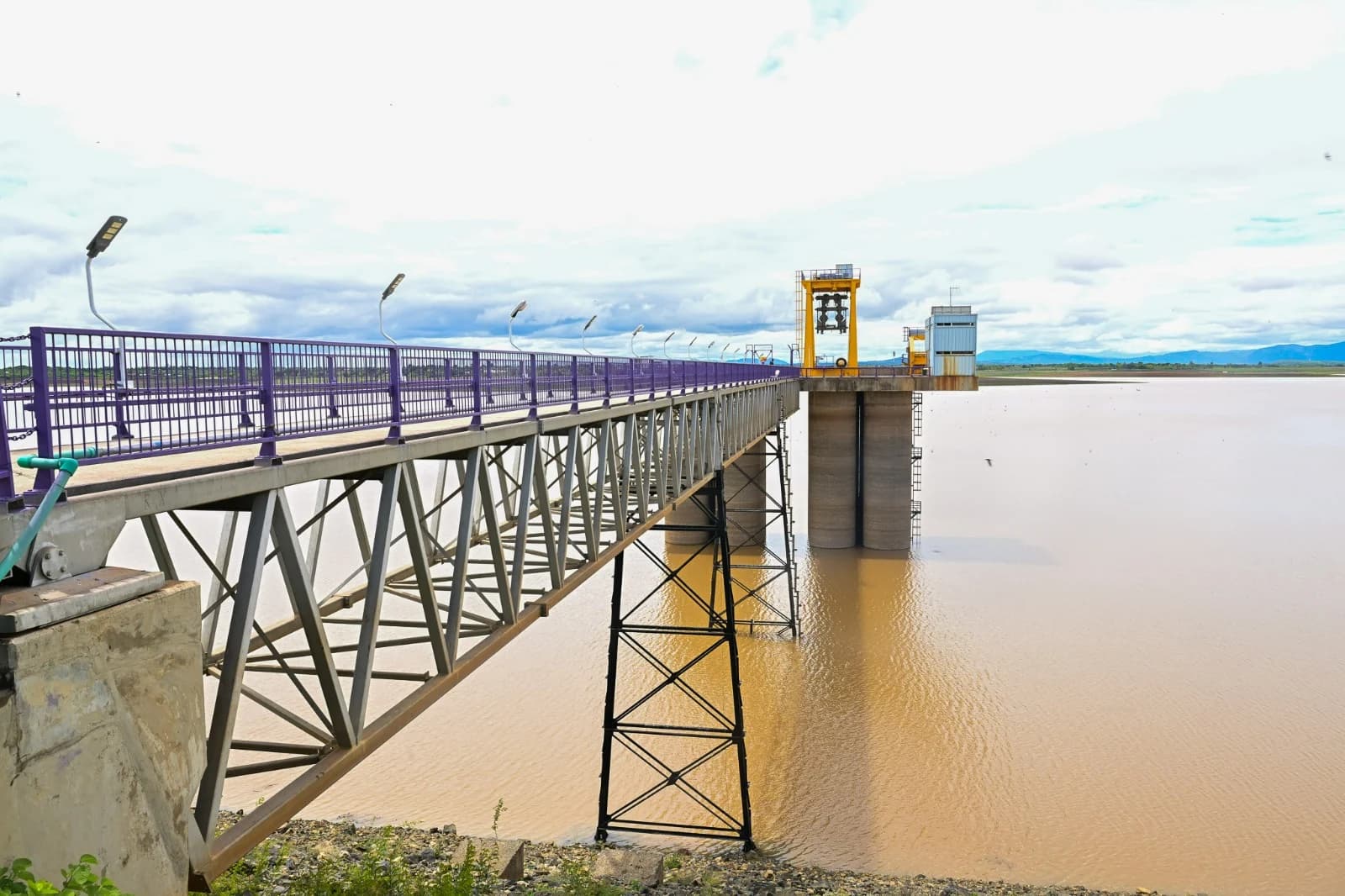
Standing at the edge of a nearly full Masinga Dam yesterday, KenGen Managing Director Peter Njenga delivered the news every Kenyan business owner and family has been waiting for: the lights will stay on this Christmas.
The assurance comes at a critical moment for the nation's energy sector. Just days ago, on December 4, Kenya’s electricity demand smashed historical records, hitting a peak of 2,439.06 MW. In a country where festive cheer is often dampened by unannounced blackouts and surging token prices, the buffer provided by the Seven Forks hydro cascade offers a rare, tangible reprieve for the holiday economy.
Njenga revealed that the Seven Forks cascade—the backbone of the nation’s energy grid—is currently churning out 473.14 MW, operating at nearly 80% of its installed capacity. This surge in cheap power is the result of what he termed a "disciplined water management program," which has kept reservoir levels high despite the erratic failure of long rains in parts of the country.
"Kenyans can expect stable supply during the festive season into the new year," Njenga stated, emphasizing that the utility is prioritizing the dispatch of renewable energy to shield consumers from price shocks.
For the wananchi, the fullness of the dams is about more than just reliability; it is directly linked to the cost of living. Hydropower remains the cheapest source of electricity in Kenya's energy mix. When hydro generation dips, the grid operator is forced to rely on thermal generators, which burn expensive imported heavy fuel oil.
By maximizing the output from Masinga, Kamburu, and Gitaru, KenGen effectively suppresses the Fuel Energy Cost Charge on monthly bills. "This robust generation... is expected to ease pressure on power bills amidst volatile global energy prices," the utility noted, a crucial buffer as families budget for January school fees.
While the generation side is secure, industry analysts warn that the real test lies in transmission. The guarantee of stability is being challenged by an unprecedented hunger for power, driven by new connections and industrial recovery. The new peak demand of over 2,400 MW places immense strain on the aging distribution network managed by Kenya Power.
A surplus at Masinga means little if the grid cannot deliver it to a welding shop in Githurai or a hotel in Mombasa without tripping. However, with the dams acting as a stable baseload, the risk of supply-side rationing is effectively zero.
As the festive lights go up across the country, the focus now shifts from the water levels to the power lines. For now, at least, the source is secure. "We are ensuring stability today," Njenga concluded, "while building a clean-energy future that is environmentally secure and economically competitive."
Keep the conversation in one place—threads here stay linked to the story and in the forums.
Sign in to start a discussion
Start a conversation about this story and keep it linked here.
Other hot threads
E-sports and Gaming Community in Kenya
Active 9 months ago
The Role of Technology in Modern Agriculture (AgriTech)
Active 9 months ago
Popular Recreational Activities Across Counties
Active 9 months ago
Investing in Youth Sports Development Programs
Active 9 months ago