We're loading the full news article for you. This includes the article content, images, author information, and related articles.
A fresh petition has been filed at the High Court challenging Francis Atwoli’s sixth re-election at COTU, citing procedural irregularities and lack of due process.

A fresh constitutional petition has landed in the High Court, casting a shadow over the recently concluded leadership elections of the Central Organisation of Trade Unions (COTU-K). Petitioner Francis Awino has launched an urgent bid to nullify the re-election of veteran trade unionist Francis Atwoli, setting the stage for a protracted legal battle that threatens to unravel the labor federation’s internal governance.
This latest move, filed this week, intensifies the pressure on the umbrella body as it attempts to transition into a new leadership term following the March 14, 2026, elections at Tom Mboya Labour College in Kisumu. With millions of workers represented by COTU-K, the legal dispute is not merely an internal union squabble it is a high-stakes confrontation over constitutional adherence, transparency, and the future of organized labor in Kenya.
The core of the dispute centers on alleged procedural shortcuts that critics claim delegitimize the entire electoral cycle. According to court documents, the petitioners argue that the election of officials, including the Secretary-General, was conducted in direct violation of established trade union electoral frameworks. The legal argument rests on a specific requirement: the sequential election process.
The Employment and Labour Relations Court has already seen a flurry of activity regarding this issue. Lady Justice Jemimah Wanza Keli recently declined to grant interim conservatory orders to halt the registration of the officials, citing that the registration process had already effectively taken place. However, the new High Court petition seeks a deeper judicial review, aiming to force the court to scrutinize whether the registrar acted within the bounds of the law when verifying the results.
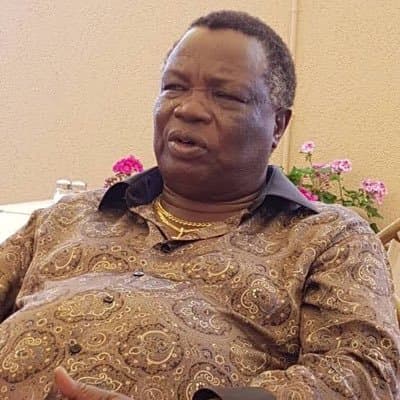
Francis Atwoli has stood as the defining figure of Kenyan labor activism since his first election in 2001. Over the last 25 years, his tenure has become synonymous with the institution itself, leading many to label him the "life President" of the movement. His influence extends far beyond the boardroom, with significant reach into national political circles, making him one of the most powerful non-state actors in the country.
Supporters of Atwoli point to his long record of securing Collective Bargaining Agreements (CBAs) and his prominent roles on the international stage—including positions with the International Labour Organization (ILO) and the Organization of African Trade Union Unity (OATUU)—as evidence of his continued efficacy. For his loyalists, the criticism regarding his long tenure is simply "noise" from detractors who do not understand the complexities of negotiating with multinational employers and the state.
However, the narrative of indispensability is being challenged with renewed vigor. Critics, including grassroots movements and younger union activists, argue that his lengthy dominance has crowded out new voices and left the organization disconnected from the modern, digital-native workforce. They contend that the lack of term limits in the COTU constitution has created a rigid power structure that prioritizes political alignment over the urgent, evolving needs of workers.
The ongoing legal turmoil exposes a deeper crisis of confidence within the labor movement. As Kenya navigates economic challenges, including high inflation and fluctuating export revenues, the question of who truly represents the workers has never been more critical. The petitioners maintain that if the leadership continues to rely on procedural ambiguity, it risks alienating the very membership it serves.
Observers note that the intensity of these legal challenges, following a trend of increased litigation surrounding union elections, suggests a shifting landscape where members are increasingly willing to use the courts to demand accountability. The argument put forward by Francis Awino and other petitioners is that without clear, transparent, and democratic processes, the legitimacy of the union’s voice in national policy discussions is permanently compromised.
For now, the focus remains firmly on the judiciary. Should the High Court find merit in the claims of constitutional violations, it could necessitate a fresh electoral process—a prospect that would send shockwaves through the labor federation and alter the trajectory of Kenya’s industrial relations for years to come. The outcome of this case will define not just the tenure of an individual leader, but the health and democratic resilience of the institution itself.
As the legal gears grind on, the silence from the union’s top office regarding the specific procedural allegations remains deafening. The question that lingers for the millions of workers in Kenya is simple: does the path forward require a fundamental change in leadership, or can the current structure weather this latest and most significant legal storm?
Keep the conversation in one place—threads here stay linked to the story and in the forums.
Sign in to start a discussion
Start a conversation about this story and keep it linked here.
Other hot threads
E-sports and Gaming Community in Kenya
Active 10 months ago
The Role of Technology in Modern Agriculture (AgriTech)
Active 10 months ago
Popular Recreational Activities Across Counties
Active 10 months ago
Investing in Youth Sports Development Programs
Active 10 months ago
Key figures and persons of interest featured in this article