We're loading the full news article for you. This includes the article content, images, author information, and related articles.
A brief but pivotal German colonial period in the late 19th century left an indelible mark on Lamu, shaping its destiny in the scramble for Africa and leaving behind a tangible legacy.
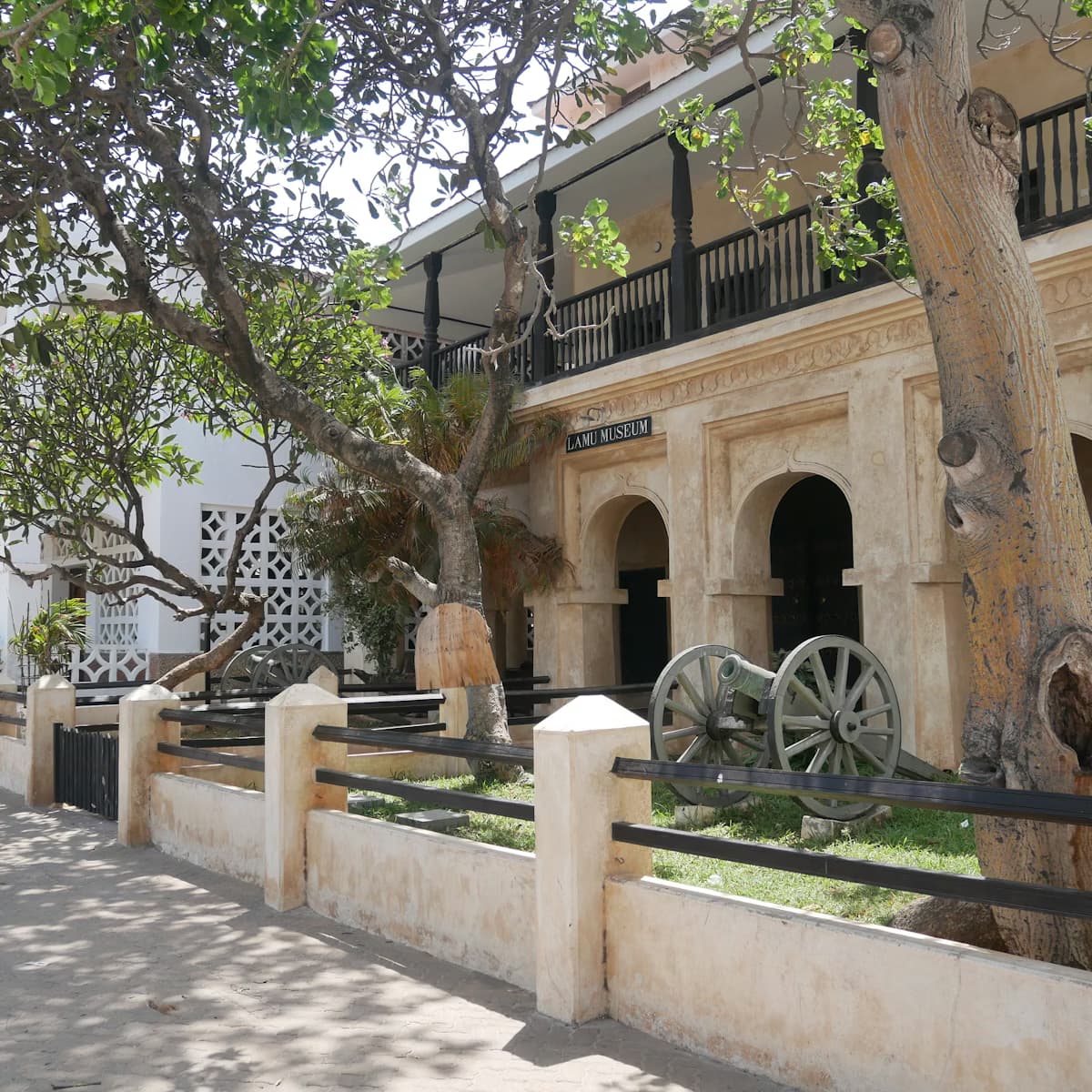
In the winding, narrow alleys of Lamu's UNESCO World Heritage site, a weathered wooden sign points to a nearly forgotten piece of Kenya's history: the German Post Office Museum. This small building is the most visible remnant of a brief, yet significant, German colonial footprint on the Swahili coast, a period that saw European imperial ambitions clash and ultimately reshape the region's future.
This chapter of history was not just a footnote; it was a critical moment when the Sultanate of Witu, a small kingdom on the mainland near Lamu, sought German protection to shield itself from the aggressive expansion of the Sultan of Zanzibar. This alliance, forged in the mid-1880s, thrust the sleepy archipelago into the heart of the European 'Scramble for Africa', forever altering its trajectory.
The German presence was spearheaded by adventurous brothers, Clemens and Gustav Denhardt, who in 1885 negotiated a treaty with Sultan Ahmed Ibn Fumo Bakari of Witu. The Sultan ceded territory to the brothers' 'Tana Company', and the German flag was hoisted over the newly formed Protectorate of Wituland, or 'Deutsch-Witu'. Lamu, with its strategic port, was considered an ideal base for Germany's colonial ambitions in East Africa. To facilitate communication and trade, the German East Africa Company established the first post office on the East African coast in Lamu in 1888.
For the people of Witu, a place that had become a refuge for those fleeing the Zanzibar slave trade, the German alliance was a strategic move for survival. For Germany, under Chancellor Otto von Bismarck, it was an opportunistic grab for influence, a way to counter British dominance in the region. The German rule was noted as being relatively mild, and the territory continued to serve as a haven for escaped slaves.
Germany's tenure in Lamu was short-lived. The intricate chess game of European diplomacy culminated in the 1890 Heligoland-Zanzibar Treaty. In a grand bargain, Germany traded its interests in Witu and Zanzibar to Great Britain in exchange for the tiny but strategic North Sea island of Heligoland. With the stroke of a pen in Berlin, Wituland and the surrounding coastal strip, including Lamu, were handed over to British control. The German post office ceased operations in 1891, marking the end of this unique colonial chapter.
The transition was not entirely peaceful. The new British administration launched a punitive expedition against Witu, deposing the local sultan and cementing their authority. For the Sultan of Witu, the treaty was a harsh lesson that his alliance with Germany was not one of equals; his sultanate was merely a pawn to be traded.
Today, the German Post Office Museum, restored with support from the German Embassy, stands as a testament to these historical ties. Curated by the National Museums of Kenya, it houses photographs and documents from the era. Mohammed Mwenje, the Lamu curator, noted that the museum is a vital symbol of the historical connections between Kenya and Germany. It tells a story of colonial encounters, strategic alliances, and the enduring friendship between the two nations. This history, though brief, is woven into the rich cultural fabric of Lamu, a reminder of a time when the fate of this ancient Swahili town was decided thousands of miles away in Europe.
Keep the conversation in one place—threads here stay linked to the story and in the forums.
Sign in to start a discussion
Start a conversation about this story and keep it linked here.
Other hot threads
E-sports and Gaming Community in Kenya
Active 9 months ago
The Role of Technology in Modern Agriculture (AgriTech)
Active 9 months ago
Popular Recreational Activities Across Counties
Active 9 months ago
Investing in Youth Sports Development Programs
Active 9 months ago



