We're loading the full news article for you. This includes the article content, images, author information, and related articles.
The United States administration faces mounting international pressure to clarify its ultimate objectives in Iran, as the unprovoked military conflict threatens to disrupt global oil supplies and inflate the cost of living across the East African region.

The United States administration faces mounting international pressure to clarify its ultimate objectives in Iran, as the unprovoked military conflict threatens to disrupt global oil supplies and inflate the cost of living across the East African region.
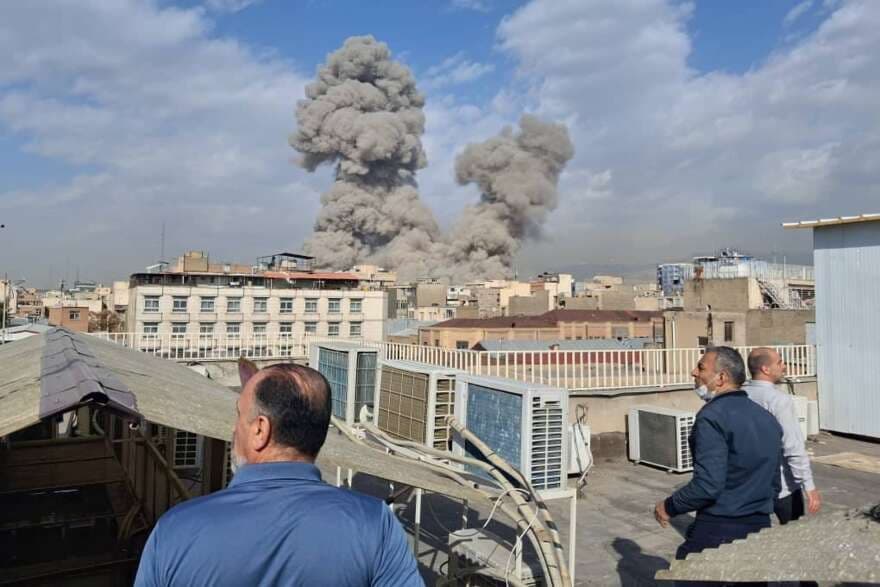
With the first American casualties reported following unprecedented military strikes on Iranian territory, the White House is confronting an intense barrage of demands to articulate a coherent diplomatic and military vision.
The absence of a definitive, publicly stated strategy has created a perilous environment, threatening to entangle the United States in a protracted, multi-year conflict that reverberates across global energy markets and destabilizes developing economies heavily reliant on imported petroleum.
Opponents, defense experts, and geopolitical analysts have collectively raised the alarm that the current administration's approach fundamentally lacks a clearly defined endgame. Alex Vatanka, a senior fellow and prominent Iran specialist at the Washington-based Middle East Institute, has explicitly noted that if the administration possesses a comprehensive game plan, it remains entirely hidden from public and parliamentary scrutiny. The recent military strikes, which reportedly targeted and obliterated vital Iranian nuclear facilities in the preceding months, have now escalated into a broader, highly volatile regional war.
The underlying fear articulated by international observers is that a short-term tactical bombing campaign could rapidly devolve into a sustained geopolitical quagmire. United States lawmakers, particularly senior figures on the House Intelligence Committee, have publicly questioned what overarching political project this extensive bombing campaign serves. The specter of past military interventions, which the current leadership previously denounced as catastrophic mistakes, now looms exceptionally large over the current strategic decision-making process.
The renewed military escalation is already causing severe tremors across global energy corridors. International benchmark Brent crude has witnessed a sharp and immediate increase, rising by over three percent to trade at approximately $73 per barrel, which roughly translates to KES 9,490. The strategic Strait of Hormuz, an absolutely vital maritime artery for global oil shipments, currently operates under an immediate and escalating threat of closure or severe restriction.
Any sustained disruption in this critical passageway equates to instant, unavoidable price hikes at fuel pumps globally. For developing nations that are heavily reliant on petroleum imports to fuel their industrial and transportation sectors, the current market volatility translates directly into higher manufacturing costs, which are inevitably passed down to the vulnerable end consumer.
In the Republic of Kenya, the macroeconomic consequences of a sustained Middle Eastern conflict are remarkably stark and immediately threatening. The East African economic powerhouse imports the entirety of its refined petroleum products, meaning any global price surge will hit the local economy with devastating speed and force. Higher international crude oil prices will inevitably force the Energy and Petroleum Regulatory Authority to adjust domestic fuel costs upward, directly impacting the transport sector and crippling agricultural supply chains.
The Kenyan government, acting in concert with other African nations, has continuously and urgently called for diplomatic de-escalation, recognizing that fragile African economies remain highly vulnerable to external geopolitical shocks originating from global superpowers.
Despite previous administrative statements claiming a preference for resolving the Iranian nuclear threat through robust diplomacy, the harsh reality on the ground vehemently contradicts this stated position. With international military bases in neighboring regions reportedly experiencing retaliatory drone strikes, the theoretical window for a peaceful diplomatic resolution is rapidly and violently closing.
The broader international community is currently scrambling to formulate a unified response. Traditional allies and adversarial nations alike were reportedly caught entirely off-guard by the sudden intensity of the offensive. The resulting geopolitical chaos threatens not just immediate regional stability in the Middle East, but the fundamental, overarching architecture of international trade, security, and diplomatic relations.
The global economy cannot sustain the shockwaves of an aimless military endeavor; superpowers must immediately match their aggressive interventions with equally powerful, transparent diplomatic exit strategies.
Keep the conversation in one place—threads here stay linked to the story and in the forums.
Sign in to start a discussion
Start a conversation about this story and keep it linked here.
Other hot threads
E-sports and Gaming Community in Kenya
Active 9 months ago
The Role of Technology in Modern Agriculture (AgriTech)
Active 9 months ago
Popular Recreational Activities Across Counties
Active 9 months ago
Investing in Youth Sports Development Programs
Active 9 months ago