We're loading the full news article for you. This includes the article content, images, author information, and related articles.
Clean-energy giant Koko Networks enters administration under PwC after the government blocks its carbon credit sales, triggering the layoff of 700 staff and threatening the fuel supply of 1.3 million households.
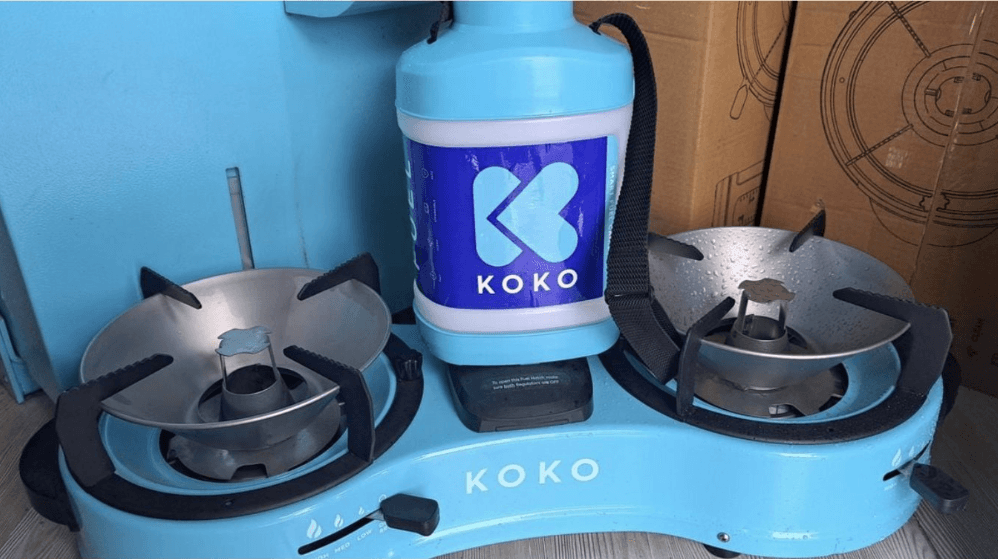
The lights have gone out for Koko Networks. In a stunning collapse of one of Kenya’s most celebrated clean-energy startups, the company has entered administration, leaving 700 employees jobless and 1.3 million households in limbo. PwC has now seized the wheel of a ship that hit the iceberg of regulatory deadlock.
PricewaterhouseCoopers (PwC) administrators Muniu Thoithi and George Weru officially took charge on February 1, 2026, tasked with the grim reality of salvaging value from the wreckage. The insolvency of Koko Networks is not just a business failure; it is a significant blow to Kenya's green energy ambitions and a tragedy for the hundreds of staff who were summarily laid off.
The trigger for this catastrophe was pulled in the corridors of power. Koko’s business model relied heavily on subsidizing bio-ethanol fuel for low-income earners using revenue from selling carbon credits globally. However, the government's refusal to sign the crucial Letter of Authorization (LOA) for these credits choked the company's lifeline.
Without the LOA, Koko could not monetize its carbon offsets, making its subsidized pricing model instantly unsustainable. "We were facing bankruptcy because selling carbon credits is key to our business model," a board member revealed. The standoff suggests a "senior official" may have frustrated the process, raising questions about sabotage.
The collapse sends a chilling signal to the investor community in Nairobi. Koko had attracted over $300 million in investment, betting on a supportive regulatory environment. That bet has failed spectacularly.
As PwC begins the forensic dismantling of the firm, the focus shifts to the government's role. Was this bureaucratic incompetence, or was a thriving company sacrificed at the altar of political interests? For the 700 jobless Kenyans and the millions of users wondering if their cookers will work next week, the answer is overdue.
Keep the conversation in one place—threads here stay linked to the story and in the forums.
Sign in to start a discussion
Start a conversation about this story and keep it linked here.
Other hot threads
E-sports and Gaming Community in Kenya
Active 9 months ago
The Role of Technology in Modern Agriculture (AgriTech)
Active 9 months ago
Popular Recreational Activities Across Counties
Active 9 months ago
Investing in Youth Sports Development Programs
Active 9 months ago