We're loading the full news article for you. This includes the article content, images, author information, and related articles.
In a critical bid to combat the rising epidemic of chronic renal failure, Kenyatta National Hospital will host a massive, free public kidney screening exercise on March 12.
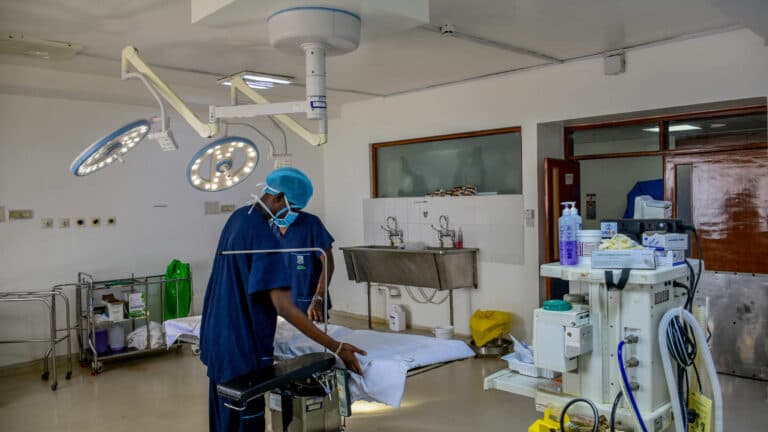
In a critical bid to combat the rising epidemic of chronic renal failure, Kenyatta National Hospital will host a massive, free public kidney screening exercise on March 12, coinciding with World Kidney Day.
Kenyatta National Hospital (KNH), the largest and most consequential referral facility in East and Central Africa, has announced a proactive, nationwide healthcare initiative aimed at addressing a silent but deadly medical crisis. On March 12, in alignment with the global observance of World Kidney Day, the hospital will throw its doors open to the public for a comprehensive, entirely free kidney screening program. This vital medical intervention is designed to radically increase early detection rates of renal anomalies before they irreversibly progress to end-stage kidney disease.
The urgency of this initiative cannot be overstated. Kenya is currently grappling with a terrifying, exponential surge in non-communicable diseases (NCDs), particularly hypertension and diabetes, which are the primary physiological catalysts for chronic kidney disease (CKD). For the average Kenyan household, a diagnosis of renal failure is not merely a devastating medical prognosis; it is an absolute financial catastrophe that can instantaneously plunge an entire extended family into crippling, generational poverty.
The healthcare economics surrounding kidney disease in Kenya paint a grim, unsustainable picture. Patients requiring life-saving hemodialysis are mandated to undergo the grueling procedure at least twice a week. The prohibitive cost of these sessions, coupled with the requisite medications and highly specialized dietary requirements, places an agonizing, often impossible strain on the National Health Insurance Fund (NHIF) and individual out-of-pocket expenditures. The sheer volume of patients requiring dialysis is rapidly overwhelming the existing national medical infrastructure.
The KNH initiative represents a desperately needed paradigm shift within the Kenyan public health strategy—moving aggressively away from expensive, reactive disease management toward highly cost-effective, proactive preventative care. Medical experts continually emphasize that when kidney disease is detected in its infancy, its progression can be drastically slowed, and in some rare cases, completely halted through strict dietary modifications and affordable, accessible medication.
The Ministry of Health is increasingly recognizing that building more dialysis centers, while necessary in the short term, is fundamentally a losing battle against the rising tide of CKD. The ultimate, sustainable solution lies in aggressive public education regarding the grave dangers of unregulated blood sugar levels, unmanaged high blood pressure, and the perilous consumption of unregulated herbal remedies and over-the-counter painkillers.
"Our primary objective on March 12 is to intercept this disease before it reaches the catastrophic point of no return," stated a senior consultant nephrologist at Kenyatta National Hospital. "Knowledge and early detection are our most potent, cost-effective weapons in the escalating war against chronic renal failure."
Keep the conversation in one place—threads here stay linked to the story and in the forums.
Sign in to start a discussion
Start a conversation about this story and keep it linked here.
Other hot threads
E-sports and Gaming Community in Kenya
Active 9 months ago
The Role of Technology in Modern Agriculture (AgriTech)
Active 9 months ago
Popular Recreational Activities Across Counties
Active 9 months ago
Investing in Youth Sports Development Programs
Active 9 months ago