We're loading the full news article for you. This includes the article content, images, author information, and related articles.
A UK community group’s initiative to distribute free air fryers highlights a creative approach to fighting food poverty and high energy costs, offering a model of efficiency that could inspire similar solutions in Kenya.
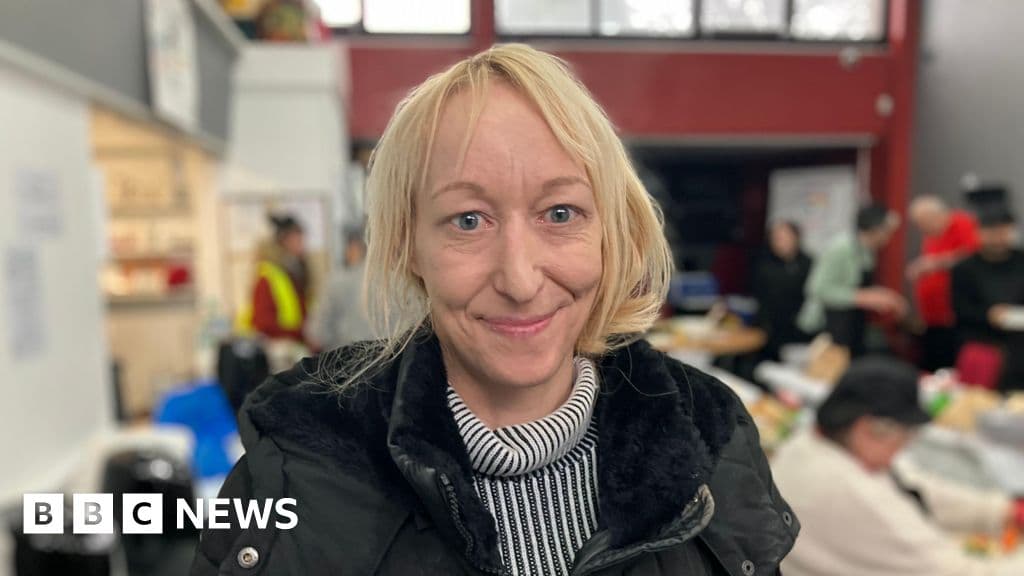
In a novel approach to food poverty that could offer lessons for Kenya’s own urban slums, a community group in Stoke-on-Trent, UK, has begun distributing free air fryers to families struggling to put healthy meals on the table.
Meir Matters, a grassroots organization led by Michelle Swift, launched the initiative after recognizing that the "heat or eat" dilemma was forcing low-income households to rely on microwave meals or junk food. By providing air fryers—which use significantly less electricity than conventional ovens—the group aims to tackle both the cost of living crisis and the ticking time bomb of diet-related diseases. It is a pragmatic, dignity-focused solution that starkly contrasts with the traditional handout model.
The logic is simple but powerful. An electric oven costs roughly KES 150 to run for an hour in the UK; an air fryer costs a fraction of that. For families in Meir, an area grappling with what researchers call a "humanitarian crisis" of food bank reliance, those savings are the difference between debt and survival. "We are trying to help people save money, eat healthy, and do it on a budget," Swift explained.
This initiative resonates with the situation in Nairobi’s informal settlements like Kibera or Mathare, where the cost of cooking fuel (kerosene or charcoal) often dictates what families eat. The "Mama Pima" economy has long understood that the cost of fuel is a major ingredient in the price of food. Perhaps there is a lesson here for our own NGOs and county governments: empowering a family with efficient technology can be more sustainable than endless sacks of relief maize.
While an air fryer might seem like a luxury item in a Kenyan context, the principle of "energy efficiency as poverty alleviation" is universal. As electricity costs soar globally, the intersection of energy policy and public health becomes critical. The Meir Matters project challenges us to think creatively about social welfare.
If a simple kitchen appliance can act as a shield against inflation and malnutrition in Stoke-on-Trent, what low-tech, high-impact interventions are we missing here at home? Sometimes, the most effective revolution doesn’t happen in parliament; it happens on the kitchen counter.
Keep the conversation in one place—threads here stay linked to the story and in the forums.
Sign in to start a discussion
Start a conversation about this story and keep it linked here.
Other hot threads
E-sports and Gaming Community in Kenya
Active 9 months ago
The Role of Technology in Modern Agriculture (AgriTech)
Active 9 months ago
Popular Recreational Activities Across Counties
Active 9 months ago
Investing in Youth Sports Development Programs
Active 9 months ago